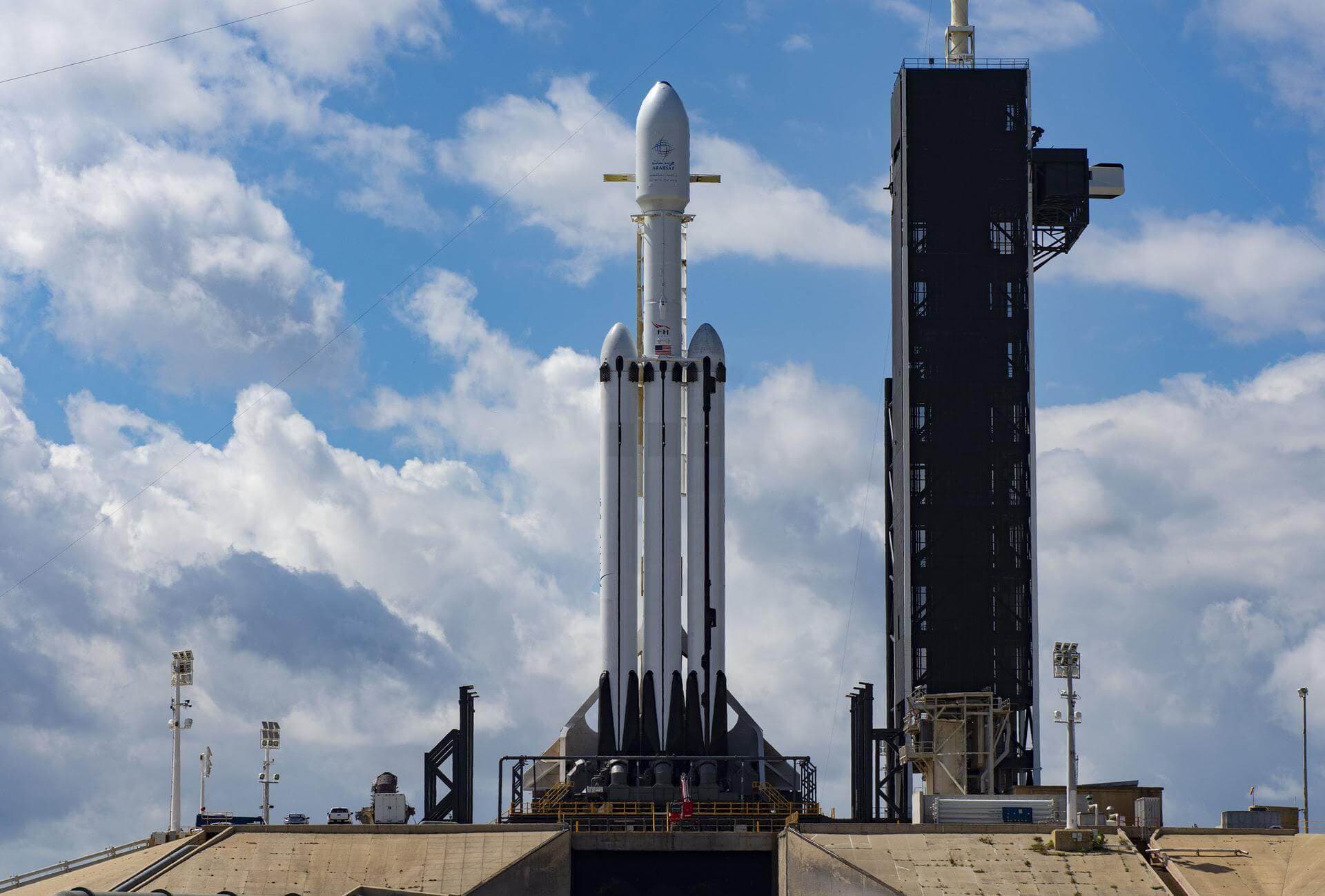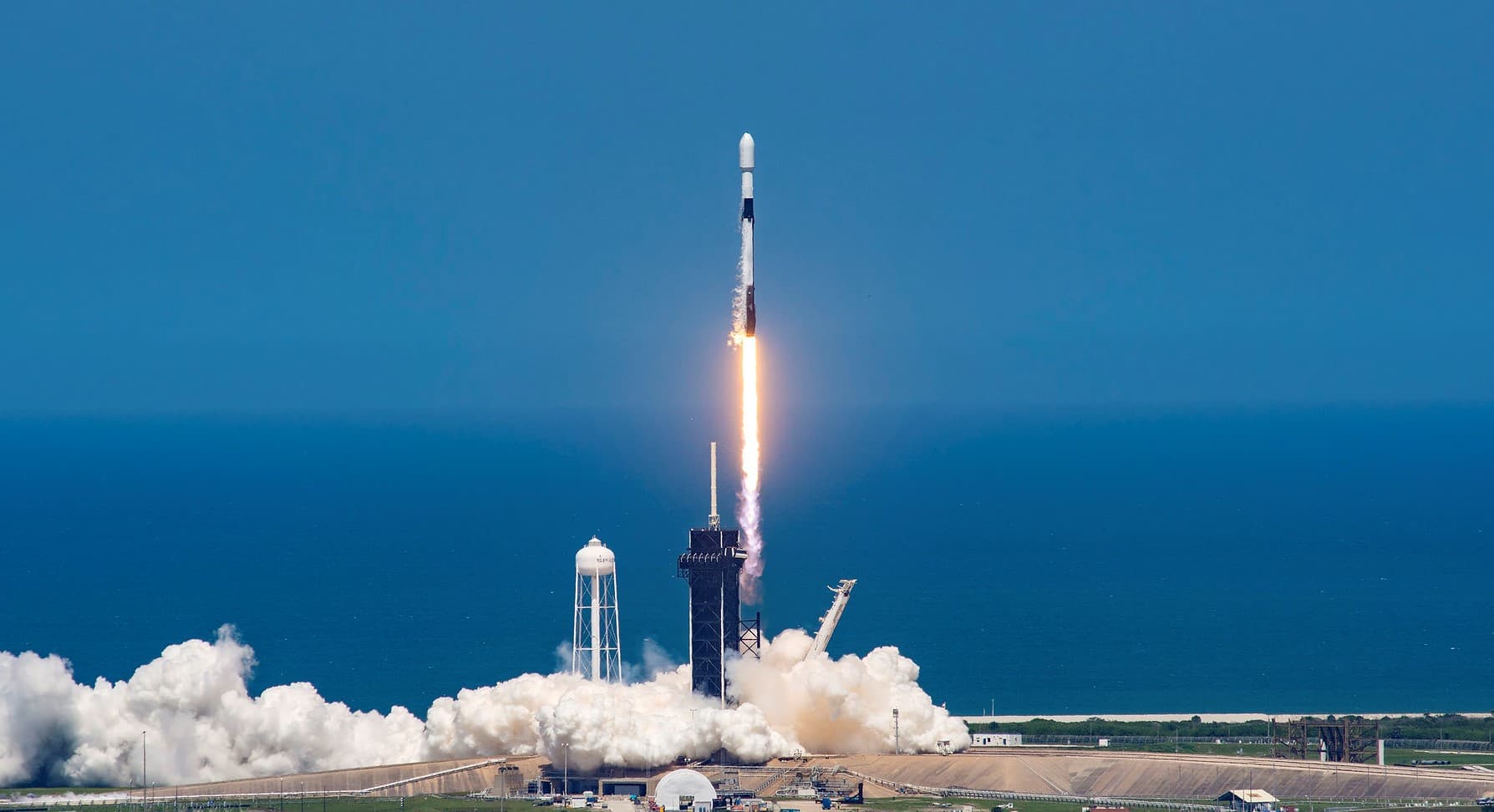
Every launch, live stream and mission — before, during, and after — plus how to watch from the ground.
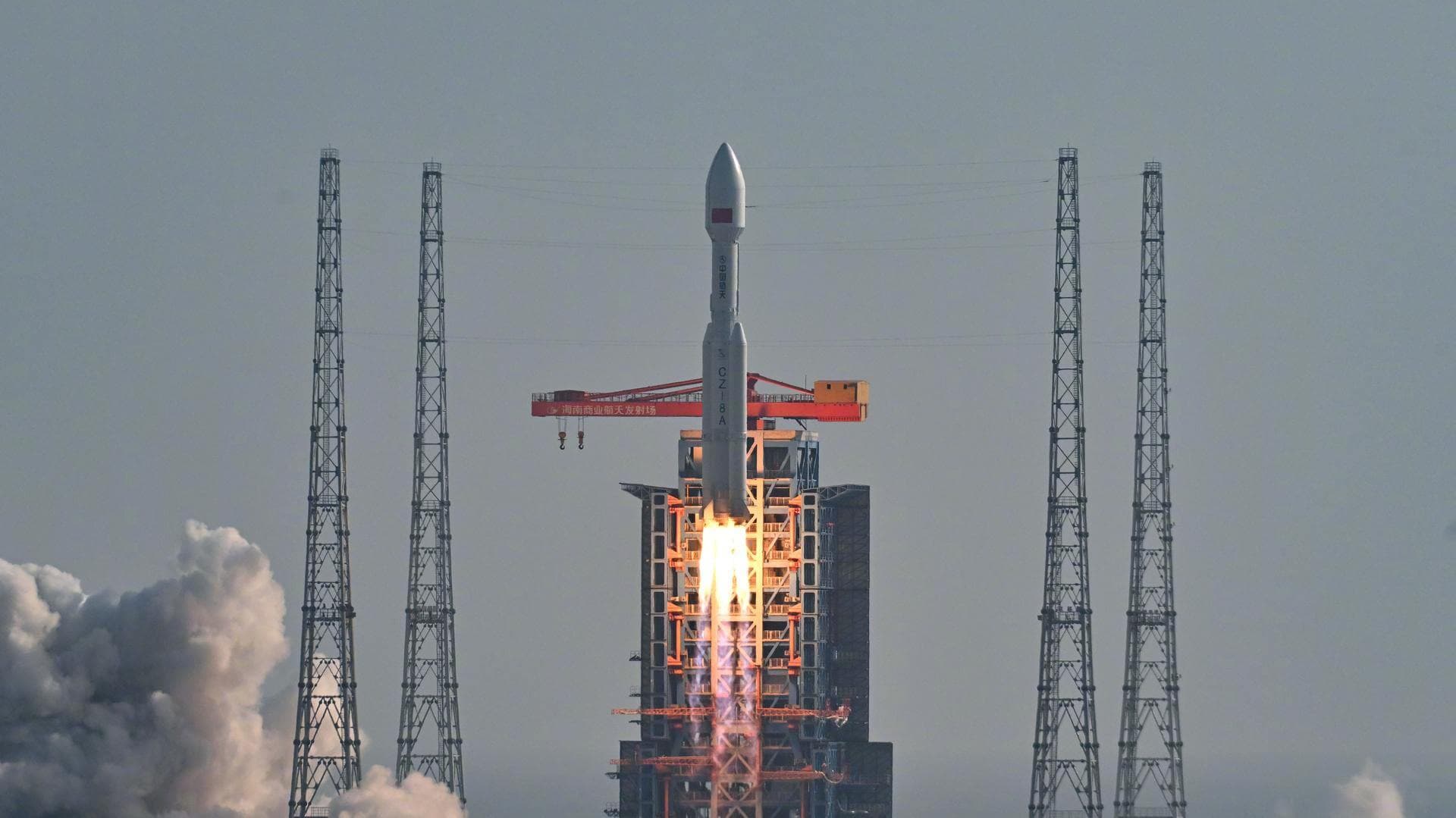
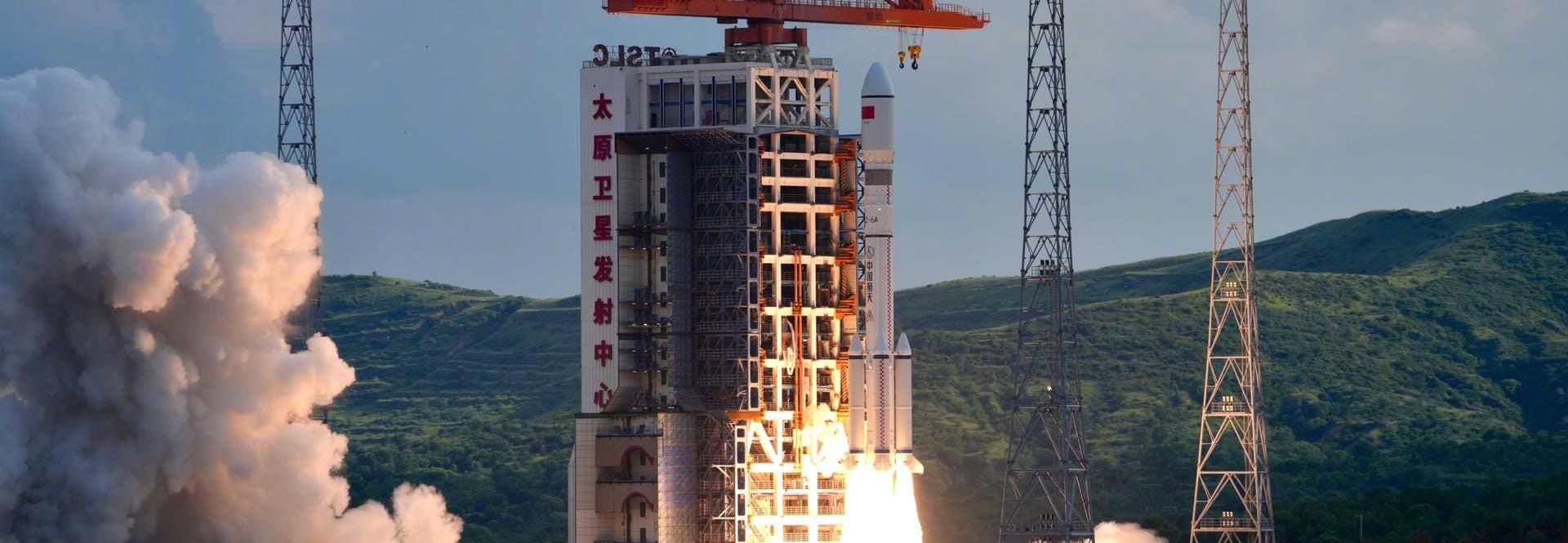
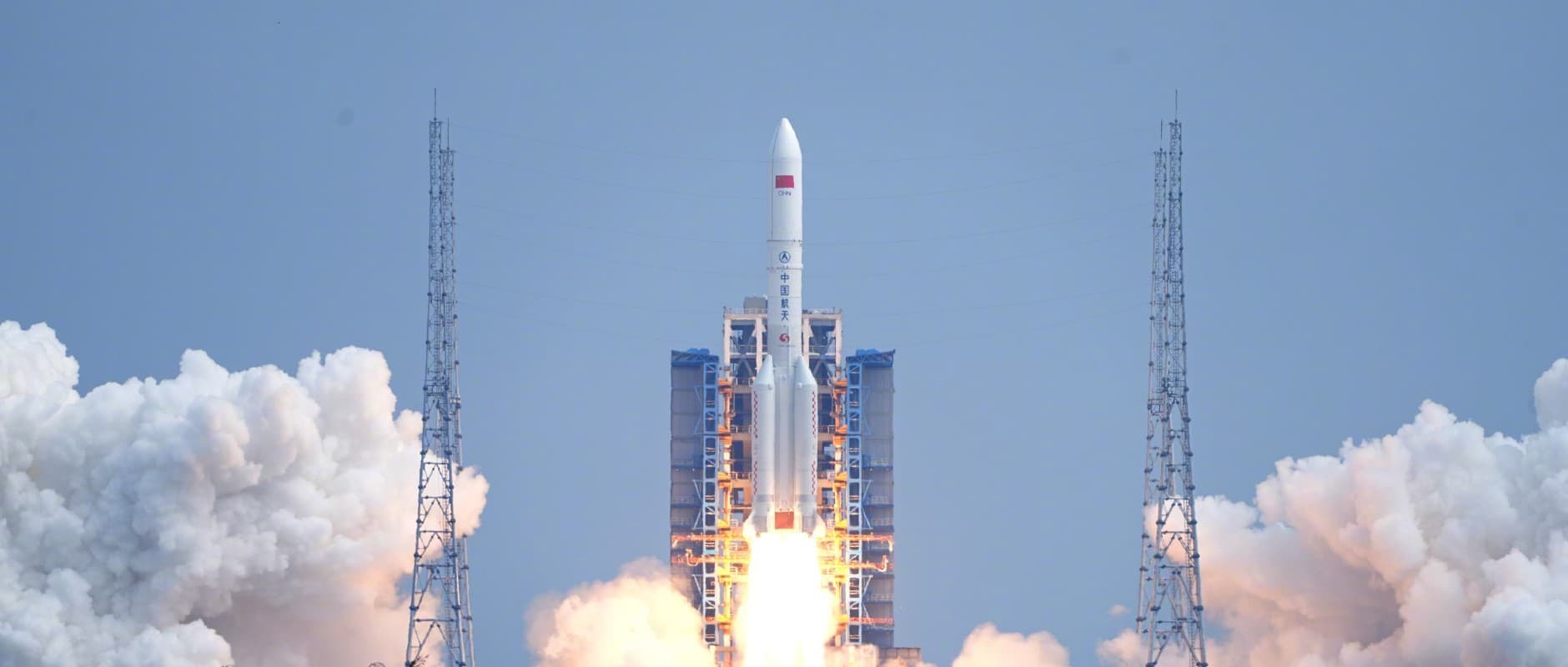
Long March 8A · Wenchang Space Launch Site · China Aerospace Science and Technology Corporation
Watching one spaceport? Month-by-month schedules for Cape Canaveral & KSC, Vandenberg, Starbase and every other launch site.
There are no missions currently live or about to launch. Check the upcoming launches below for scheduled events.
No launches scheduled in the next 48 hours
Check back soon for imminent missions
China Aerospace Science and Technology Corporation
🚀 Long March 8A
Details TBD.
China Aerospace Science and Technology Corporation
Details TBD.
🚀 Electron
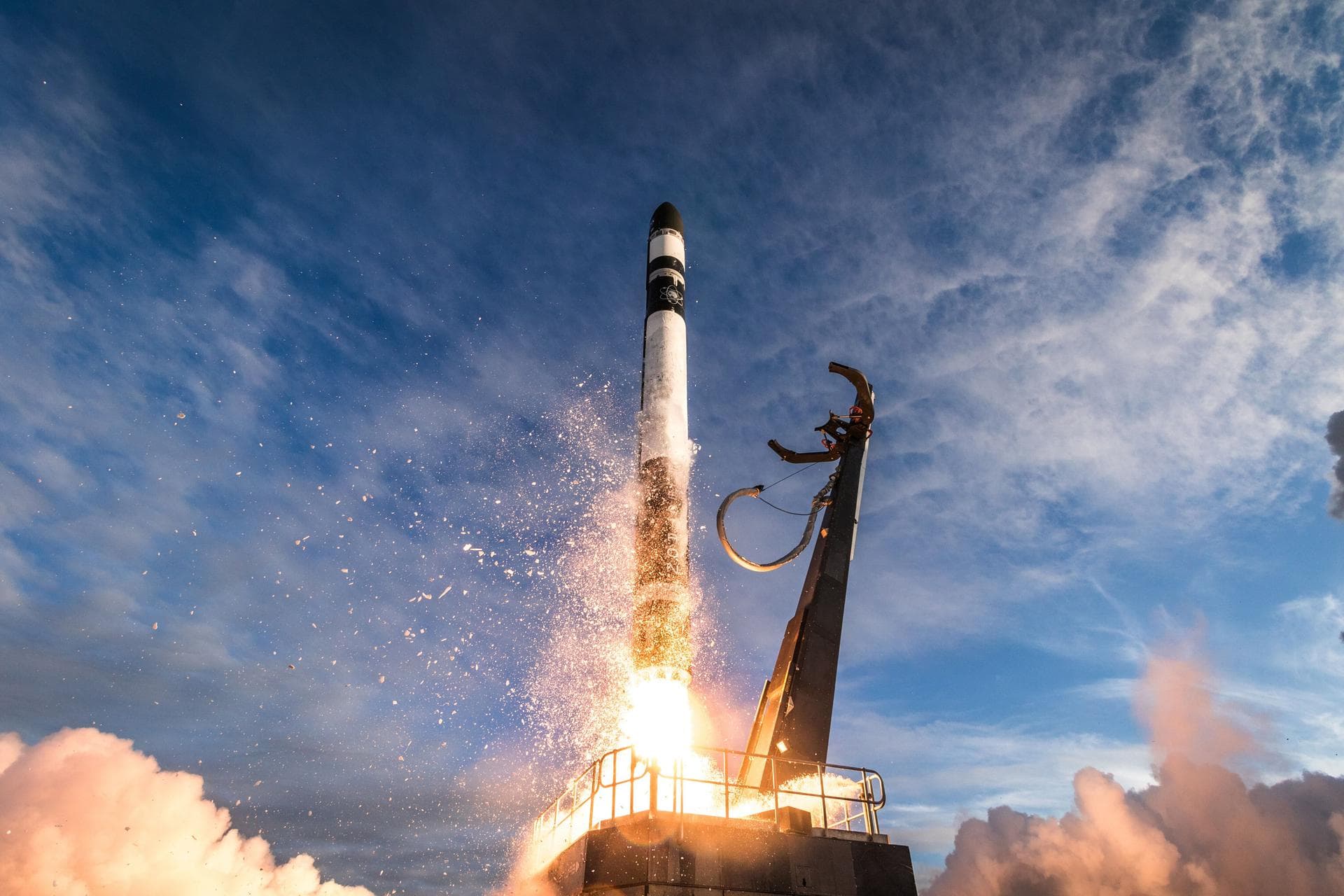
Synthetic aperture radar satellite for Japanese Earth imaging company Synspective.
A classified mission for the United States Space Force. It is possibly a batch of classified LEO satellites based on SpaceX’s Starshield satellite bus, based on locations of rocket stage drop zones being exact fits with previous Starlink Group 15 launches.
Third flyby of ESA's Jupiter Icy Moons Explorer (Juice) mission on its way to the Jovian system.
14th test flight of the two-stage Starship launch vehicle. 3rd flight of Starship V3 and the first Starship flight to deploy satellites (a group of Starlink satellites known as Starlink Group 31-1) into stable Low Earth Orbit. The ship is expected to fly at an altitude approximately 275 km above Earth and complete approximately 6 orbits around the planet for nearly 10 hours, with splashdown targeted in the Pacific Ocean west of Chile. The booster’s primary test objective on Flight 14 will be executing a successful launch, ascent, stage separation, boostback burn, and landing burn at an offshore landing point in the Gulf. Starship will deliver 26 Starlink V3 satellites to orbit for the first time, which aim to greatly expand the network's capacity and user speeds. Each Starlink V3 satellite will add 1 Tbps of capacity to the constellation.
European Space Agency
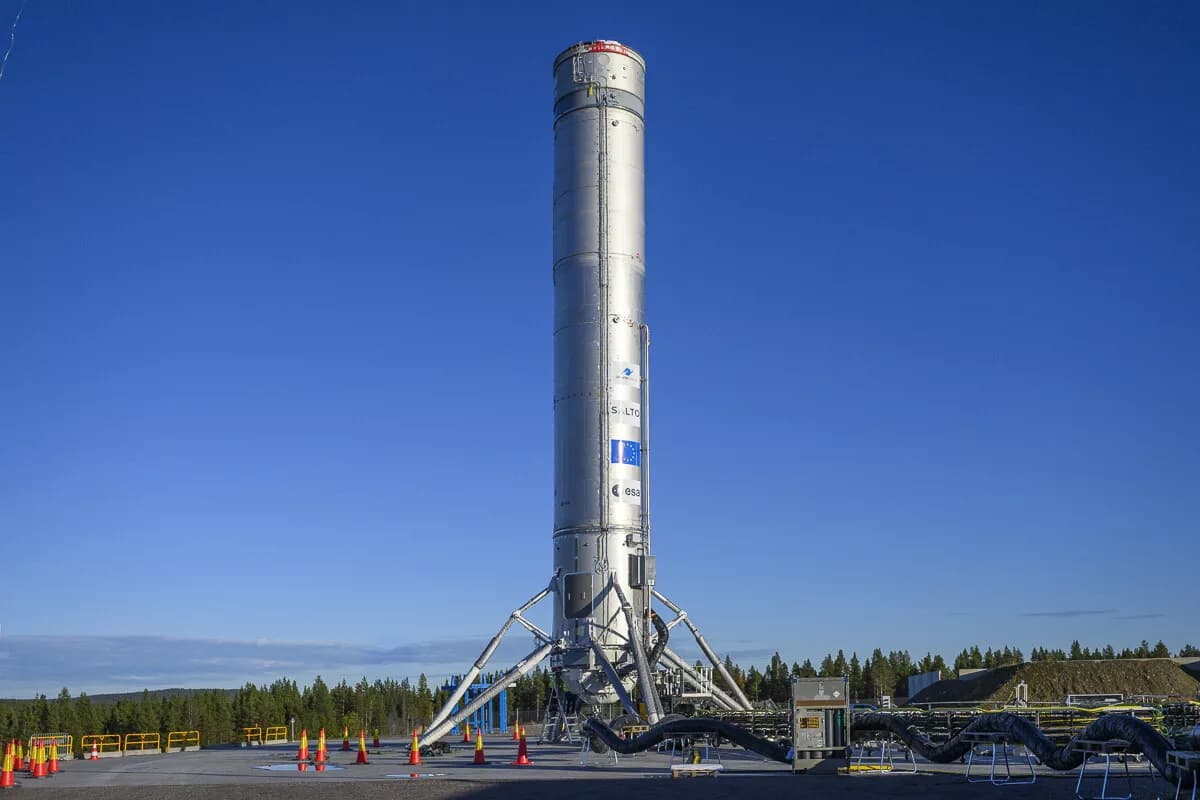
🚀 Themis Demonstrator
First low-altitude hop test of a Themis demonstrator, with a targeted altitude up to 100 m.
China Aerospace Science and Technology Corporation
Chang'e 7/CE-7 is scheduled to launch in 2026, including an orbiter, a lander, a mini-hopping probe, and a rover. The mission will land in the South Pole regions of the Moon to study lunar surface environment around the South Pole, especially in looking for water ice in lunar soil.
First flight of Blue Origin's Blue Moon MK1 lunar lander, MK1-SN001 "Endurance".
Innospace
🚀 HANBIT-Nano
Innospace's first in-house test satellite, 'InnoSat-0', will test various technologies for future development of satellites by Innospace themselves. The satellite will be deployed using Korean company SpaceBey’s specialized deployer.
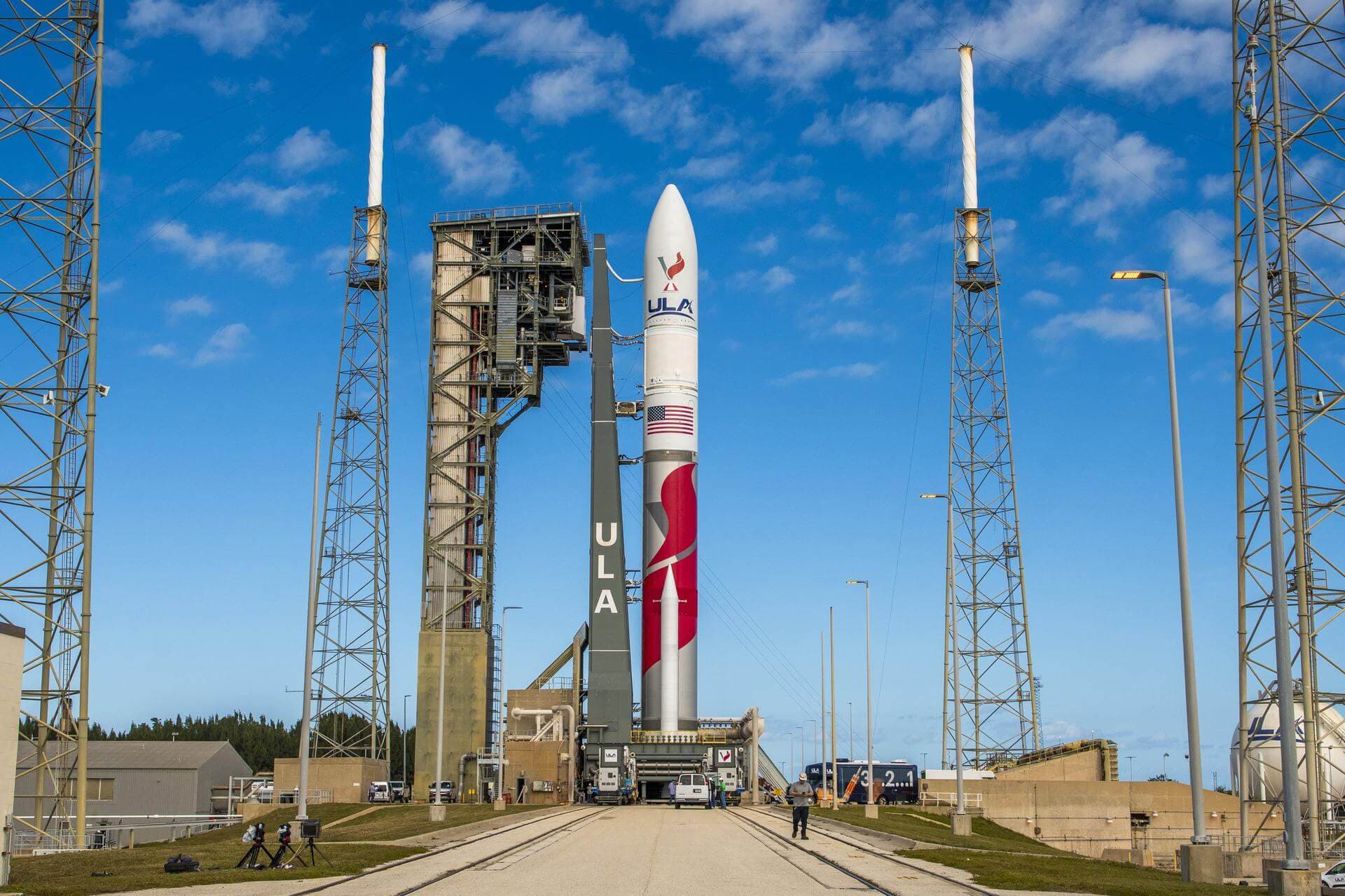
🚀 Vulcan
Classified mission launched by the Space Development Agency (SDA) for Tranche 2 Transport Layer.
A batch of 27 satellites for the Starlink mega-constellation - SpaceX's project for space-based Internet communication system.
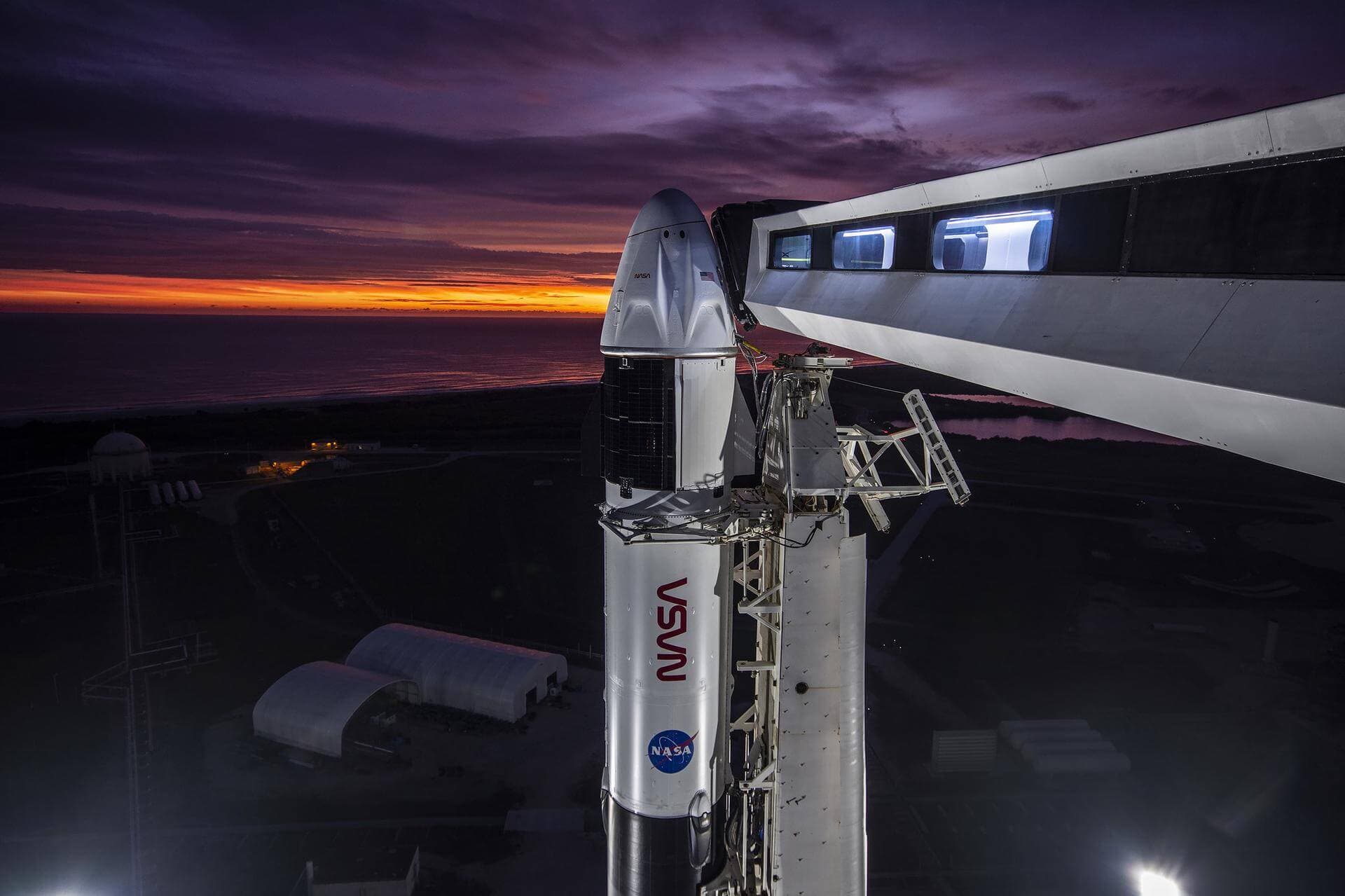
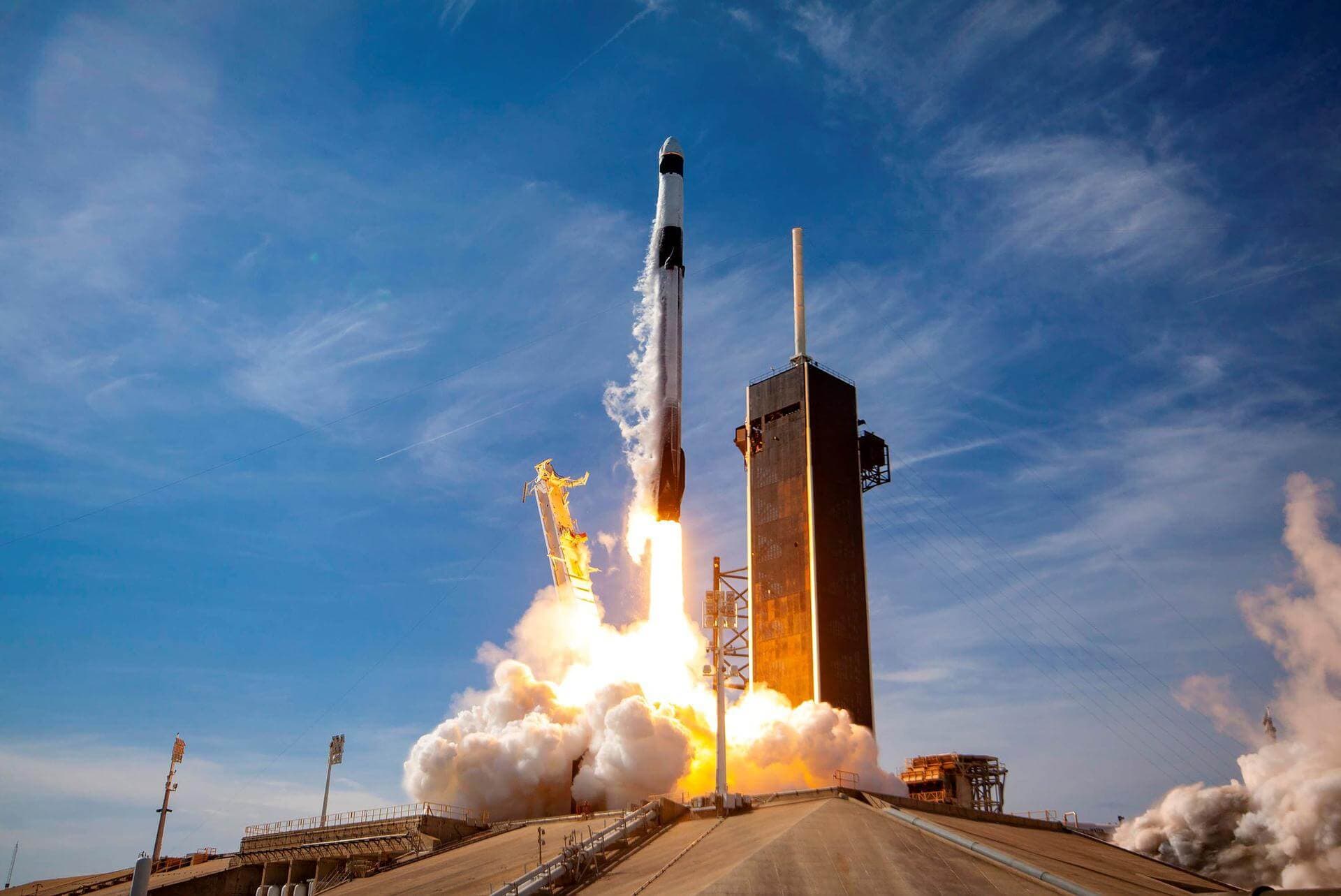
SpaceX Crew-13 is the thirteenth crewed operational flight of a Crew Dragon spacecraft to the International Space Station as part of NASA's Commercial Crew Program.
The Crew-13 Crew Dragon will dock autonomously to the International Space Station, carrying four astronauts to the International Space Station.
HyImpulse
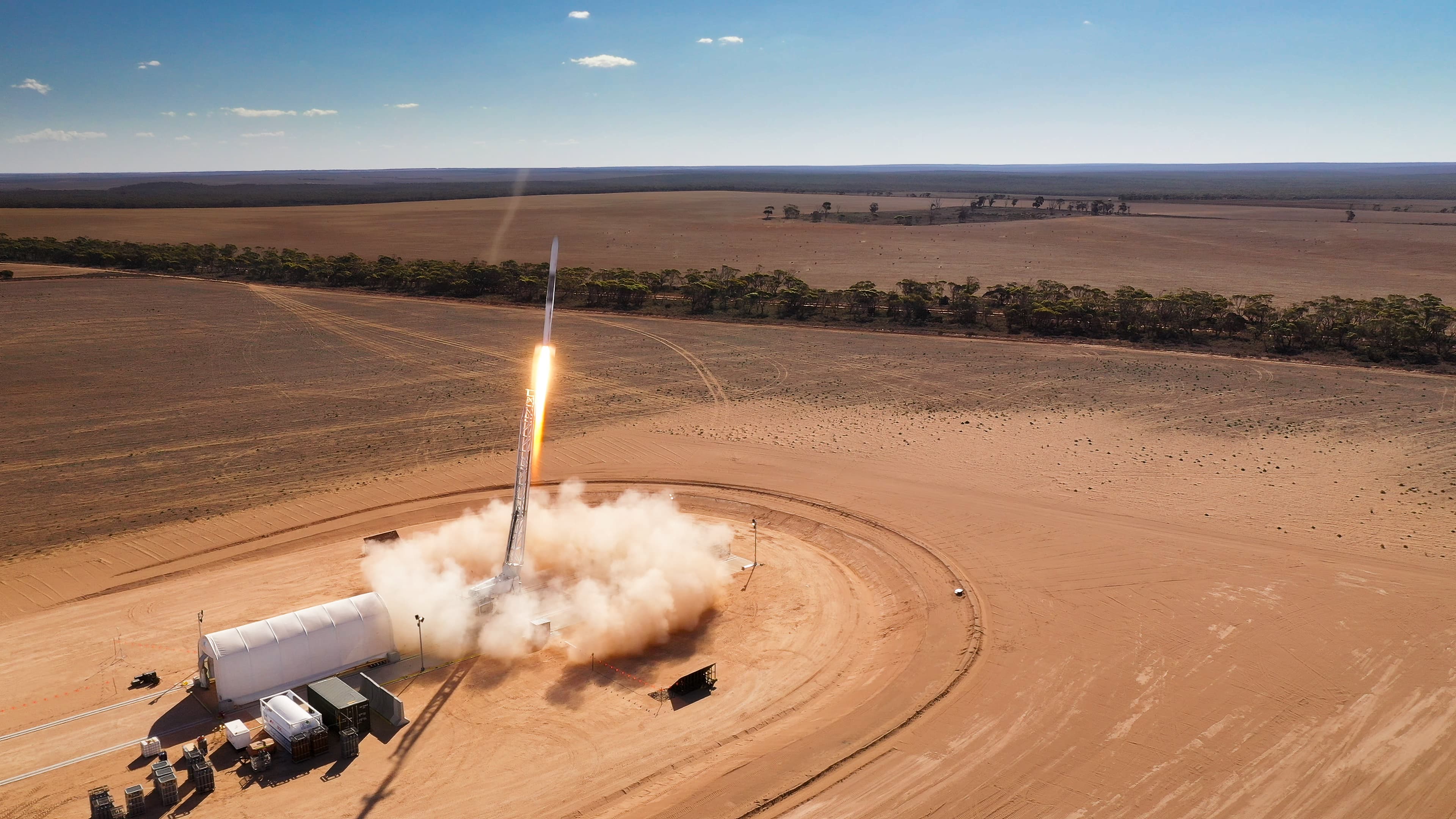
🚀 SR75
Test flight of HyImpulse's SR75 sounding rocket.
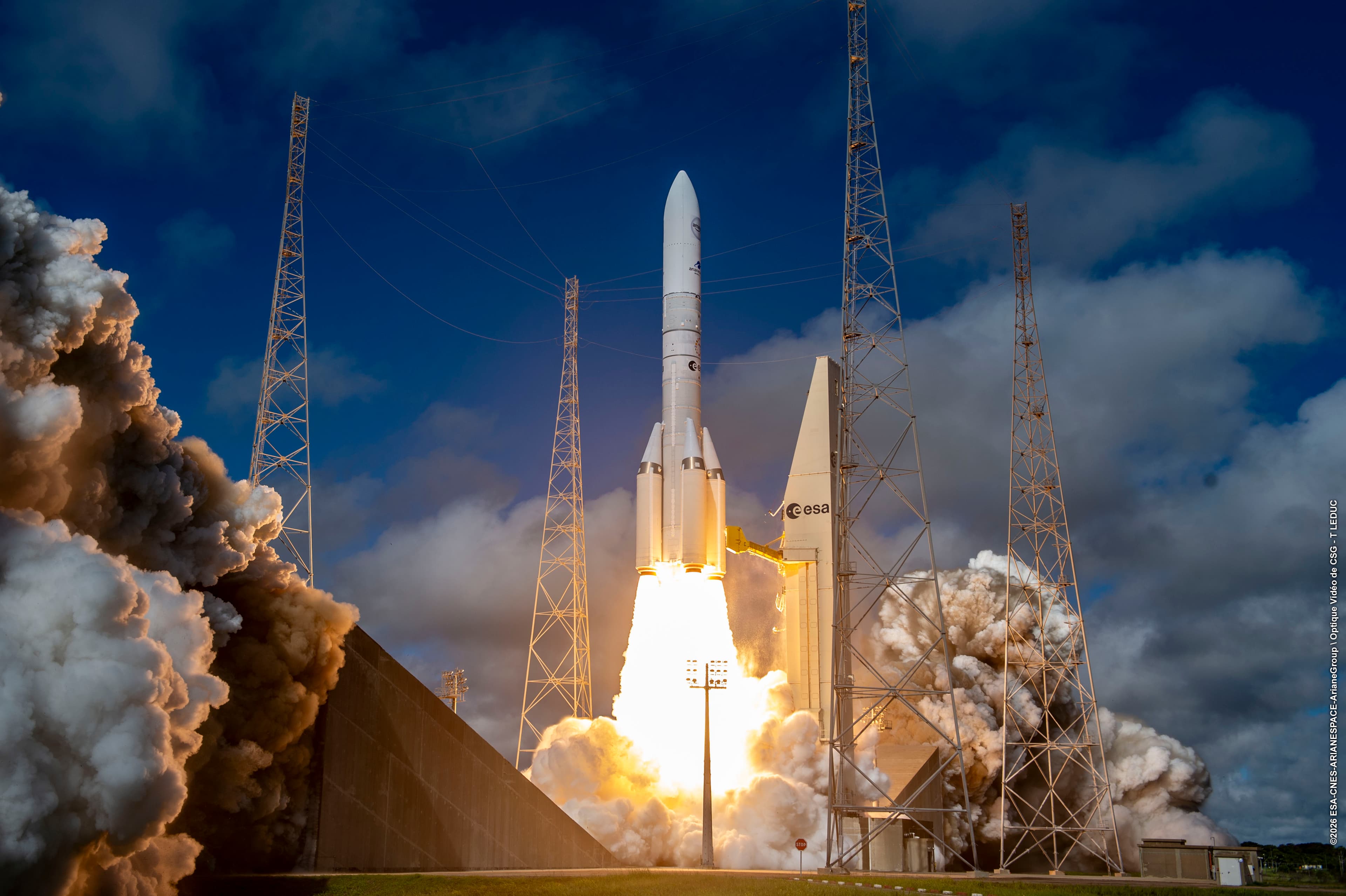
Amazon Leo, formerly known as Project Kuiper, is a mega constellation of satellites in Low Earth Orbit that will offer broadband internet access, this constellation will be managed by Kuiper Systems LLC, a subsidiary of Amazon. This constellation is planned to be composed of 3,276 satellites. The satellites are projected to be placed in 98 orbital planes in three orbital layers, one at 590 km, 610 km and 630 km altitude. 35-40 satellites will be carried on each Ariane 6 launch.
Korea Aerospace Research Institute
🚀 KSLV-2 Nuri
NeonSat-2 to 6 are part of the South Korean government's Earth observation micro-satellite constellation NeonSat (New-space Earth Observation Satellite). The NeonSat constellation is the first satellite system developed by the government using a mass-production approach for precise monitoring of the Korean Peninsula.
Mitsubishi Heavy Industries
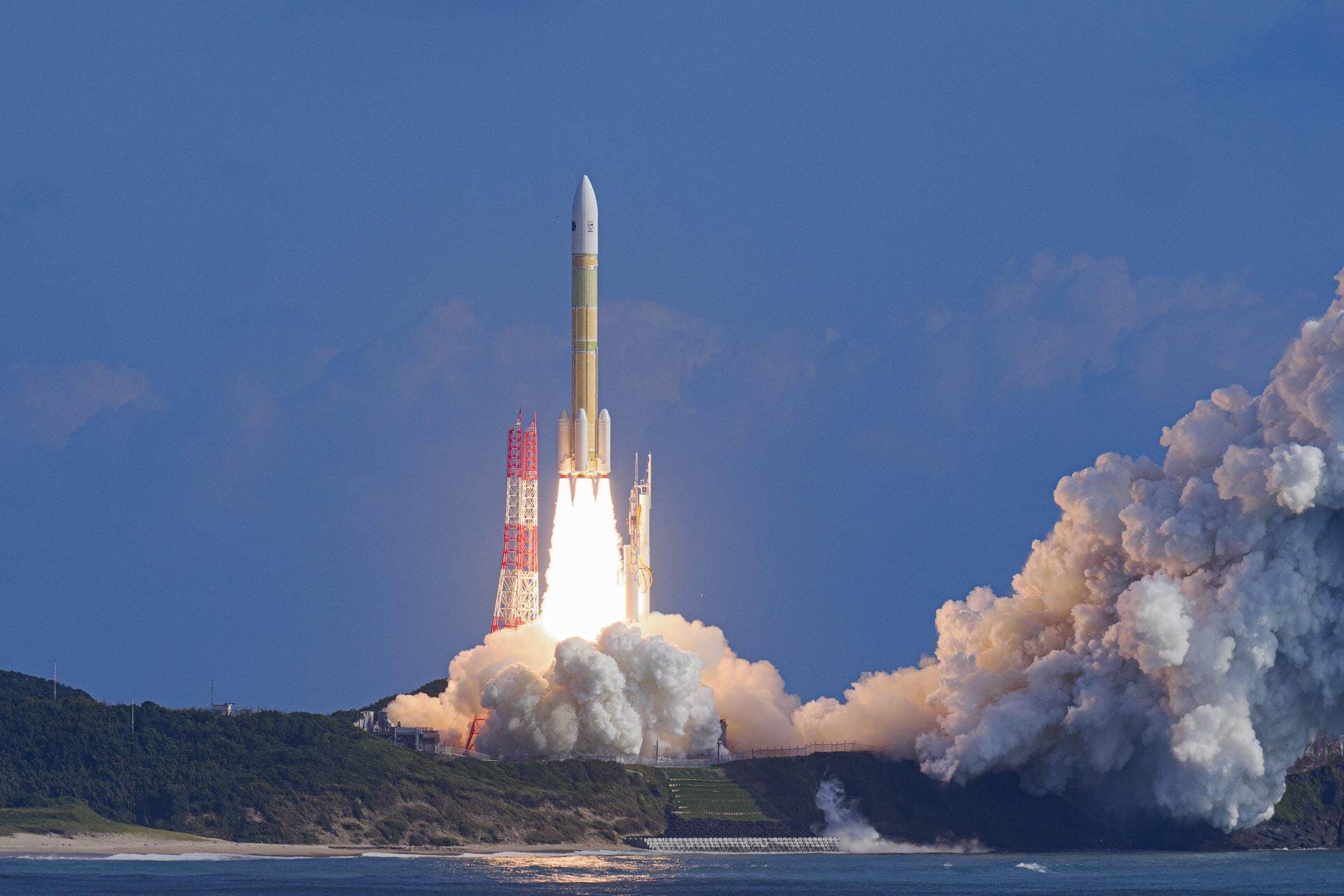
🚀 H3-24
MMX is a Japanese scientific mission to land on Phobos, one of the two moons of Mars, to collect samples before bringing them back to Earth. The mission includes a small French/German rover to explore the surface of Phobos.
Dedicated rideshare flight to a mid-inclination orbit with dozens of small microsatellites and nanosatellites for commercial and government customers.
Amazon Leo, formerly known as Project Kuiper, is a mega constellation of satellites in Low Earth Orbit that will offer broadband internet access, this constellation will be managed by Kuiper Systems LLC, a subsidiary of Amazon. This constellation is planned to be composed of 3,276 satellites. The satellites are projected to be placed in 98 orbital planes in three orbital layers, one at 590 km, 610 km and 630 km altitude. 45 satellites will be carried on each Vulcan launch.
35th commercial resupply services mission to the International Space Station operated by SpaceX. The flight will be conducted under the second Commercial Resupply Services contract with NASA. Cargo Dragon 2 brings supplies and payloads, including critical materials to directly support science and research investigations that occur onboard the orbiting laboratory.
Classified payload for the US National Reconnaissance Office
Classified mission launched by the Space Development Agency (SDA) for Tranche 2 Transport Layer.
China Aerospace Science and Technology Corporation
🚀 Long March 12A
Second test launch of CASC/SAST’s Long March 12A rocket. Payload identities are TBD.

EPIC image of Earth showing the Pacific Ocean and cloud formations over Southeast Asia
7.8°, 148.3°

View of the Americas with Hurricane season cloud patterns visible over the Caribbean
12.4°, -72.1°

Earth showing Africa and the Indian Ocean with clear skies over the Sahara
-3.2°, 38.7°

Sunlit view of Europe and North Africa with alpine snow cover visible
42.1°, 12.5°

NASA's James Webb Space Telescope captured this detailed view of the iconic Pillars of Creation, revealing new details about the structure of this star-forming region in the Eagle Nebula.

Lunar Reconnaissance Orbiter captured this high-resolution image of the Artemis III candidate landing site near the lunar south pole, showing permanently shadowed craters that may contain water ice.

A 360-degree panorama captured by the Perseverance rover's Mastcam-Z instrument showing the ancient river delta in Jezero Crater, with layered sedimentary rock formations that may preserve signs of ancient microbial life.

Europa Clipper's first detailed images of Jupiter's moon Europa reveal a complex network of ridges and bands across its icy surface, with potential evidence of recent geological activity.

The International Space Station soars above a spectacular display of the Northern Lights over Canada, captured during a period of heightened solar activity in Solar Cycle 25.

A reprocessed composite image from Cassini data using advanced algorithms reveals previously unseen structures in Saturn's B ring, providing new insights into ring particle dynamics.
Every Monday morning, get a rundown of the week's scheduled launches — vehicle, provider, site, and a direct link back to Mission Control to watch. Part of the SpaceNexus newsletter; unsubscribe anytime.
Stay ahead with weekly space industry insights. Unsubscribe anytime.