IN FLIGHT TESTING: 14 FLIGHTSFLIGHT 14: FIRST ORBITAL FLIGHT, SEP 28, 2026
Starship Program Tracker
SpaceX's Starship, tracked live: flight history through Flight 14, which SpaceX reported as the first orbital flight of Starship after 13 suborbital test flights, program roles spanning Starlink, Artemis, propellant transfer, and Mars, and a continuously-updating feed of Starship-related news, refreshed automatically as new coverage publishes. Facts checked Sep 28, 2026.
Latest MilestoneReached orbit, per SpaceX
Flight 14: First Orbital Flight of Starship
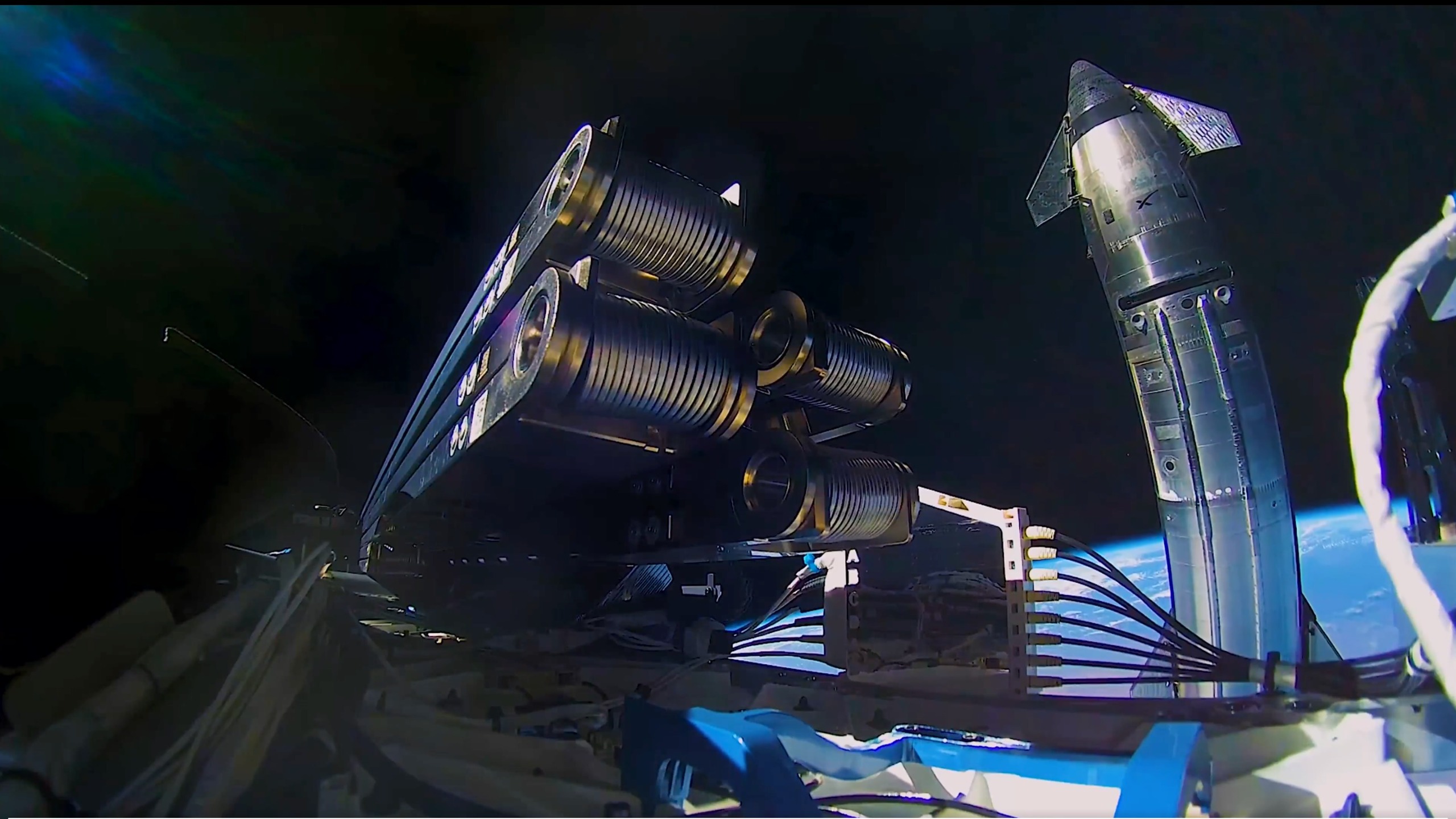
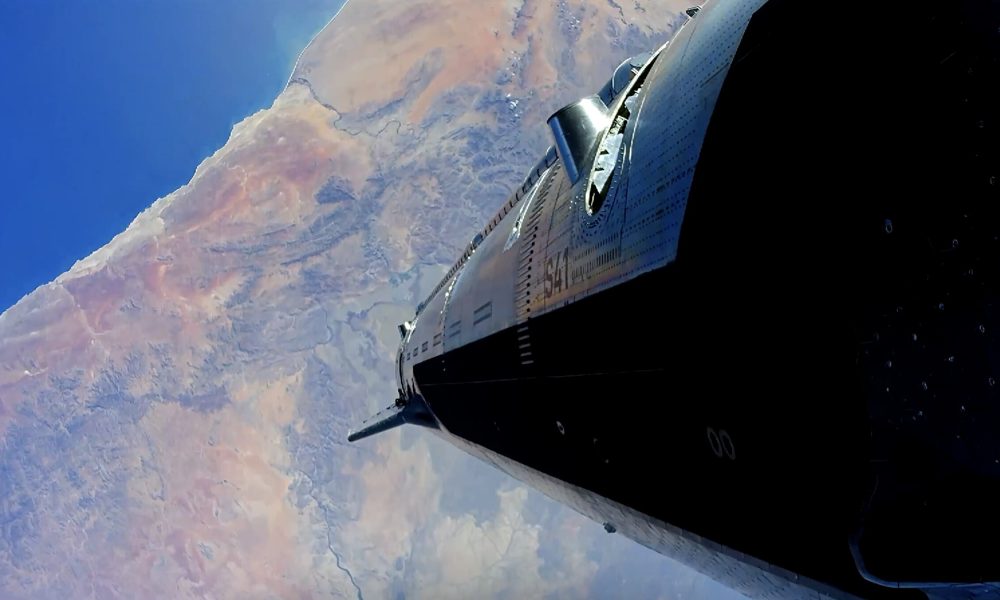
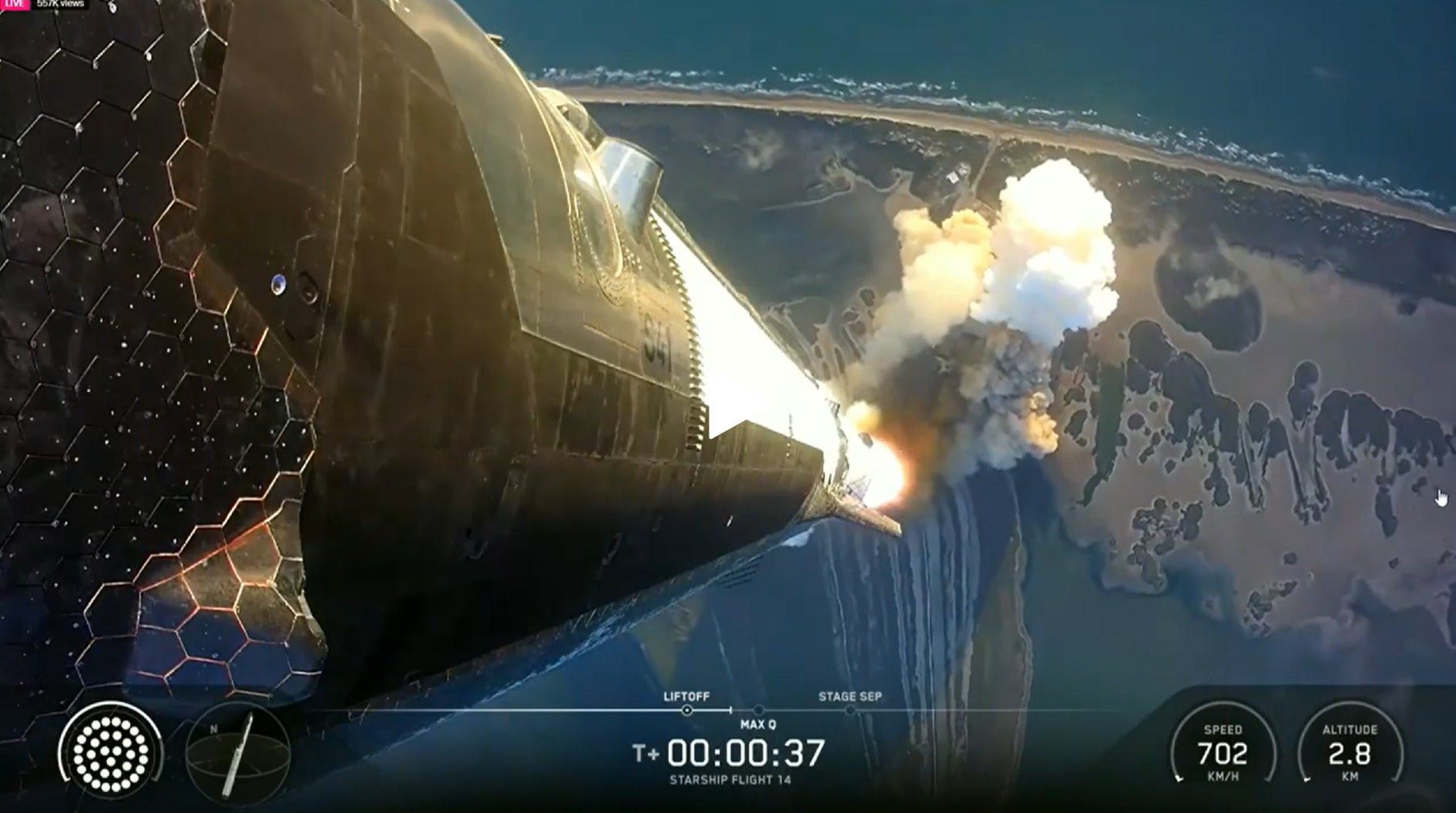
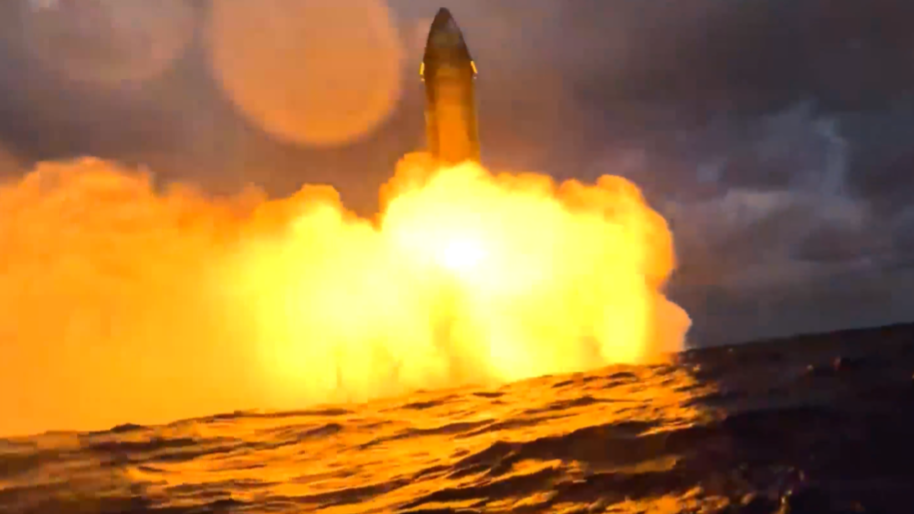
SpaceX reported that Starship entered orbit for the first time, deployed all 26 Starlink V3 satellites (all in contact), completed a deorbit burn after about 3 hours in orbit (the plan was a flight of nearly 10 hours) and splashed down in the Pacific. The Super Heavy booster splashed down in the Gulf of America; no catch was planned. Ship-to-ship propellant transfer has not been attempted yet.
Flight History
From the first integrated test flight in 2023 to Flight 14, the first to reach orbit.
- IFT-1 – Flight 11COMPLETEApr 2023 – Oct 2025
Suborbital flight test campaign
Eleven suborbital test flights proved out launch, hot-staging separation, in-space Raptor relights and reentry. Milestones included the first catch of a Super Heavy booster by the launch tower’s "chopstick" arms (Flight 5, Oct 13, 2024), the first booster reflight (Flight 9, May 27, 2025) and the first payload deployment, eight Starlink simulators (Flight 10, Aug 26, 2025). Several ships and boosters were lost along the way, including the ships on Flights 7, 8 and 9.
- Flight 12COMPLETEMay 22, 2026 (complete)
First flight of the V3 ship and booster
The first flight of the V3 Starship and Super Heavy with Raptor 3 engines, and the first launch from Pad 2 at Starbase. On a suborbital path the ship deployed 20 Starlink simulators and two modified Starlink satellites that imaged it in space, then splashed down in the Indian Ocean. The booster made a hard splashdown in the Gulf after a partial boostback burn.
- Flight 13COMPLETEJul 24, 2026 (complete)
Suborbital test: first Starlink V3 satellites released
A suborbital test flight, like every flight before Flight 14. The ship released 20 real Starlink V3 satellites on its suborbital path, where they were expected to burn up on reentry about 20 minutes after release, relit a Raptor engine in space, and made a soft splashdown, coming to rest intact in the Indian Ocean. SpaceX recovered the floating ship (Ship 40) about a month later and is shipping it back to Texas. The booster made a hard splashdown in the Gulf after only some of its landing-burn engines relit.
- Flight 14COMPLETESep 28, 2026 (complete)
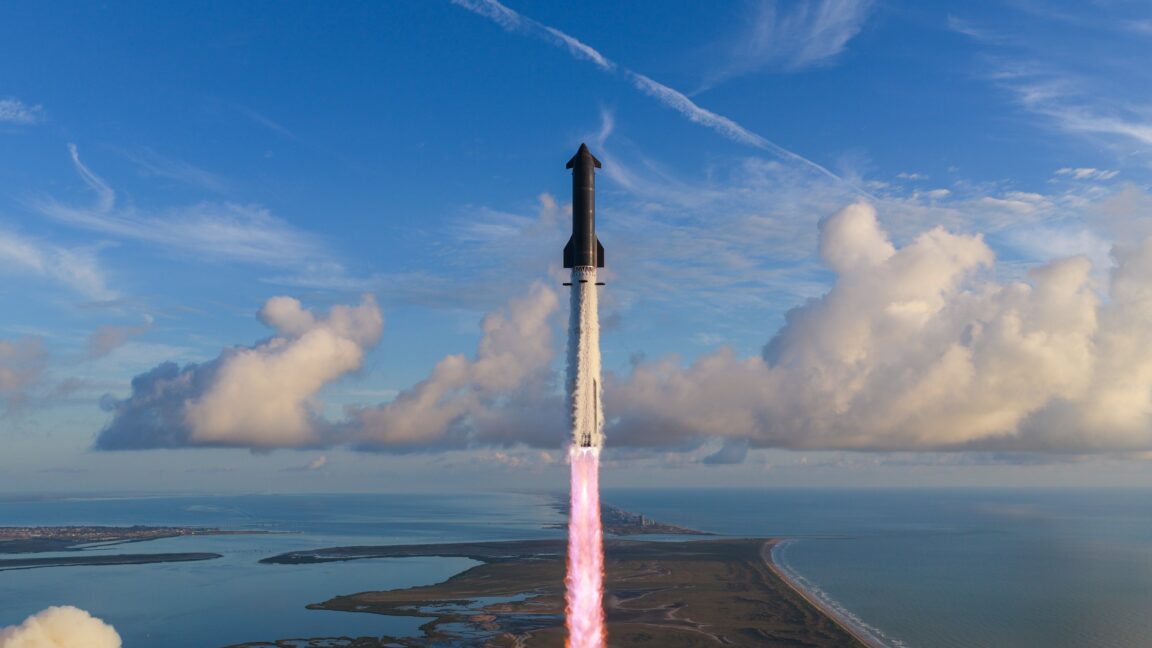
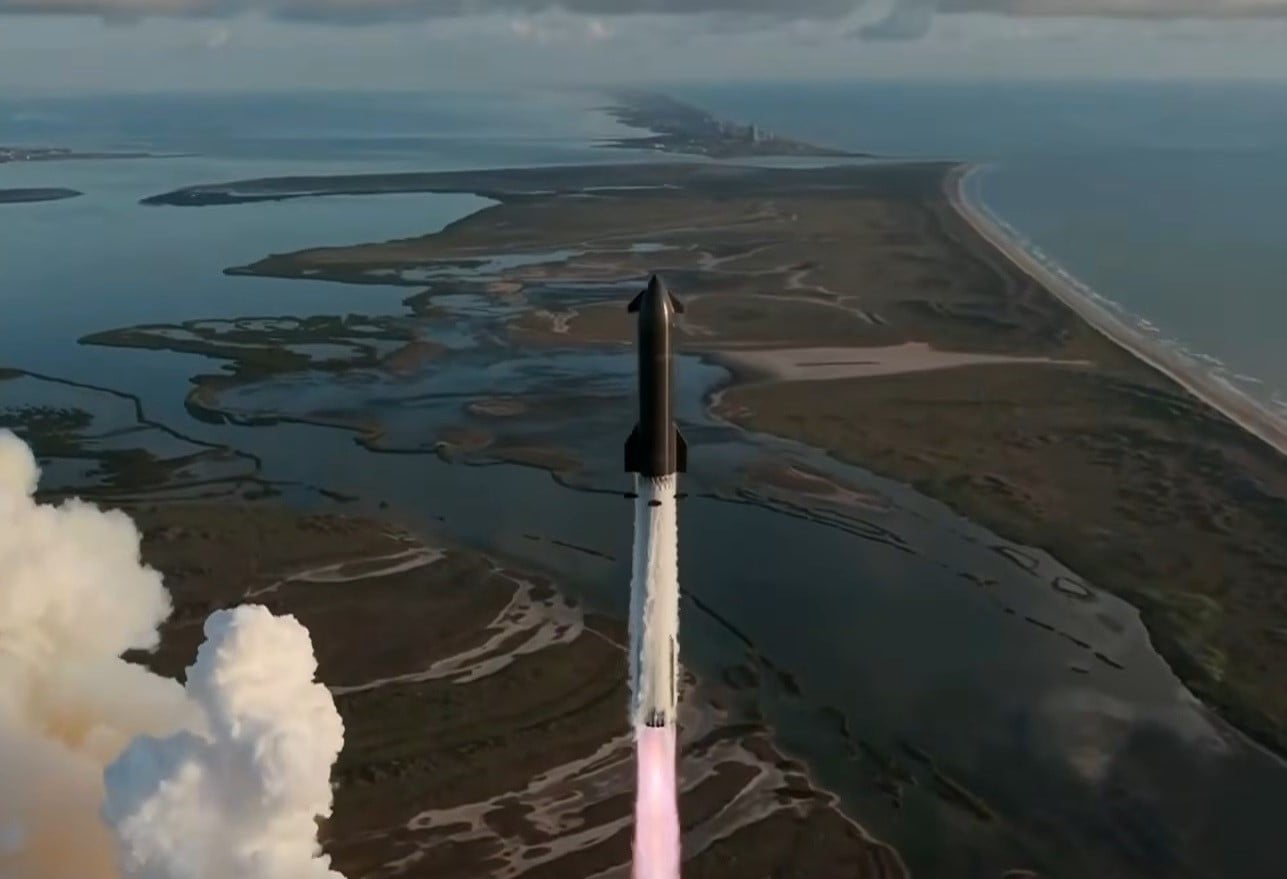
First orbital flight of Starship: 26 Starlink V3 satellites deployed
SpaceX reported that Starship performed its orbital insertion burn and entered orbit of Earth for the first time, deployed all 26 Starlink V3 satellites (the Starlink team made contact with all 26, SpaceX said), then performed a deorbit burn and splashed down in the Pacific Ocean: "the first orbital flight of Starship," in SpaceX’s words. SpaceX brought the ship down after about 3 hours in orbit; the published plan had been about six orbits over a flight of nearly 10 hours. The Super Heavy booster splashed down in the Gulf of America; no catch of either stage was planned for this flight. The date moved from Sep 22 to Sep 28, and the FAA issued the license revision covering the flight, VOL 23-129 Rev 9.0, on Sep 26.
Program Roles
Starship is a single vehicle carrying four distinct missions at once, each on its own timeline.
Starlink V3 DeploymentIN PROGRESS
Flight 14 put the first Starlink V3 satellites into orbit on Sep 28, 2026: all 26 deployed, and the Starlink team made contact with all 26, SpaceX said. SpaceX says each adds 1 Tbps of capacity and they could begin serving customers "as soon as a few weeks after launch", after raising their orbits and finishing checkouts; SpaceX has not yet said they are in service. Before that, Flight 13 released 20 V3 satellites on a suborbital path, where they reentered by design.
Artemis HLS (Human Landing System)IN PROGRESS
Starship HLS is one of NASA’s two crewed lunar landers. Restructured Feb 2026: Artemis III is now an Earth-orbit rendezvous and docking test (NASA: 2027, target mid-2027) with commercial lander pathfinders, including Starship HLS. For the Artemis IV landing (2028), NASA says lander readiness will determine whether Starship HLS or Blue Origin’s Blue Moon carries the crew.
Full Artemis Program TrackerPropellant Transfer DemonstrationUPCOMING
A ship-to-ship propellant transfer in orbit, needed to fuel a lunar-bound Starship HLS, has not been attempted. It needed orbital flight first, and Starship reached orbit for the first time on Flight 14 (Sep 28, 2026), SpaceX reported. GAO reported in July 2026 that the test was scheduled for 2026. NASA has funded SpaceX propellant-transfer work since a 2020 Tipping Point award.
Mars AmbitionsFUTURE
SpaceX’s Starship page lists cargo flights to the Martian surface starting no earlier than 2028. No mission has a committed launch date: treated here as a stated ambition, not a scheduled mission.
Latest Starship News
Live datavia SpaceX + industry feedsEvery Starship, Super Heavy, and Raptor engine story from our live news feed: no manual curation, updated automatically as coverage publishes.
 launches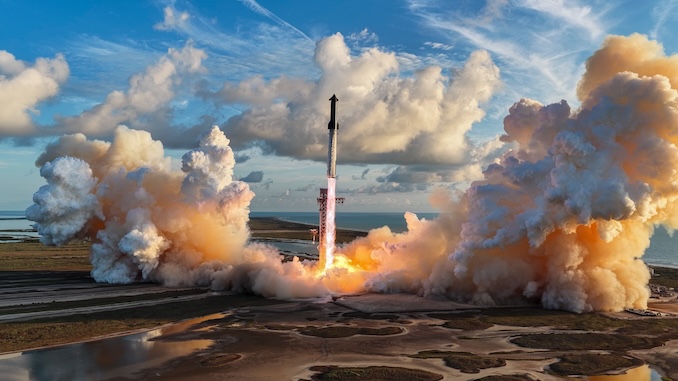


Stay Ahead of the Curve
Week in Space Data every Friday: the week in numbers, our own analysis clearly labelled, the chart of the week and next week’s launches. Add SpaceNexus AM for a short brief on weekday mornings.
Week in Space Data on Fridays, SpaceNexus AM on weekday mornings if you tick it. Unsubscribe anytime.