What is Space Tycoon?
A free, browser-based space MMO with no combat. It is a space economy game first: one shared live market for everything, real supply chains, hardware you have to manufacture, and corporations as the end-game. It runs as a live-service world in a hard-science 22nd-century solar system, fed by real launches and real space weather. The world date opened on 1 January 2150 and advances one year per real year; the economy runs faster, in six-hour cycles.
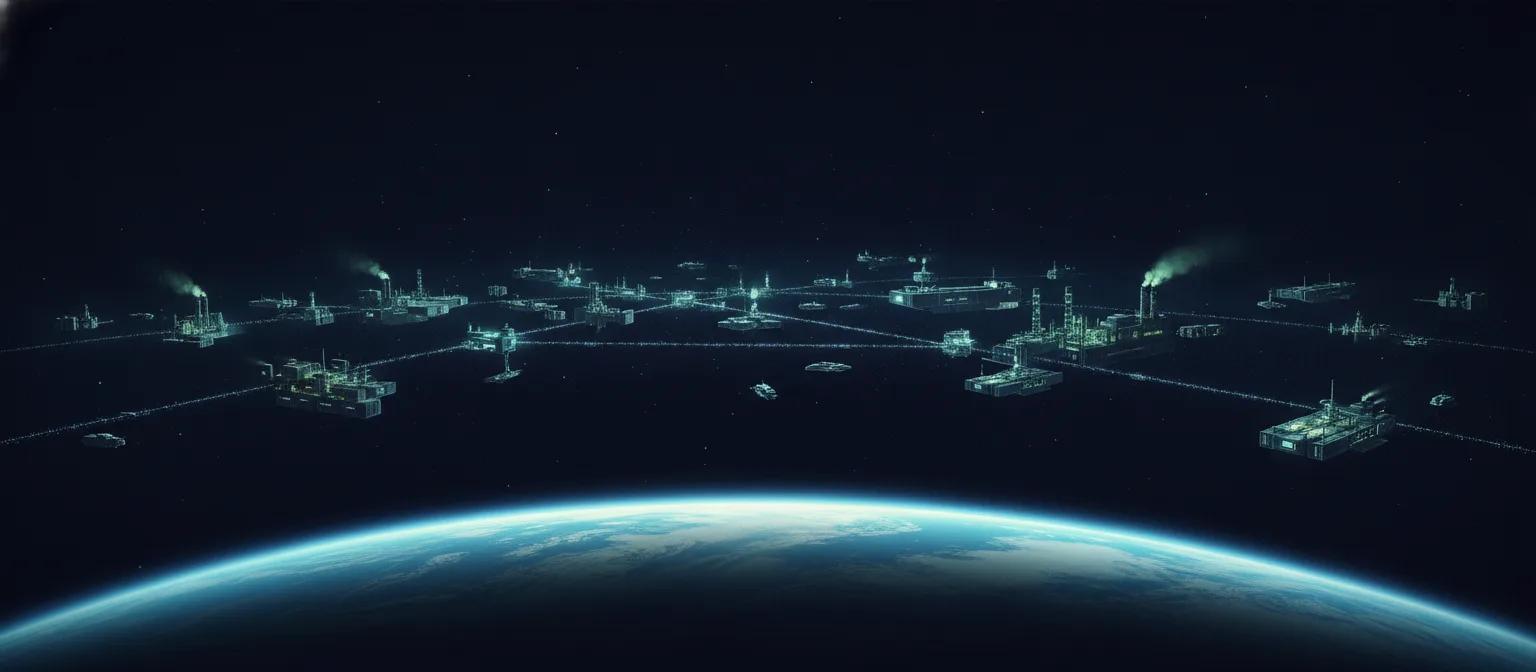
Live market · one shared economy
The idea
Most space games are about ships. Space Tycoon is about balance sheets. Every price is set by supply and demand on one global market; mass extraction depresses a commodity, a procurement drive lifts a service. Logistics cost money: delta-v, transit time, storage. Orbital slots, high-grade deposits and belt corridors are finite and contested. Profit and loss are visible per building, per location and per corporation, because that is where the decisions are.
Hardware is manufactured, not conjured. Structural beams, satellite buses, life-support packs and fusion cores come out of fabrication facilities (on Earth, in orbit, on the Moon and Mars) built from mined and refined inputs. They reach the market only when a player or one of the named NPC industrial corporations lists what they built. There is no inventory until someone makes it.
Nothing is destroyed by other players. Solar storms, micrometeoroids, equipment failure, NPC piracy and regulators are the risks; insurance, redundancy and shielding are the answers. Corporate warfare is economic: out-bid, out-research, out-recruit, corner a market, take a rival over.
Eight regions, one economy
Inner system
Earth launch pads, LEO stations, orbital slots, where every corporation starts.
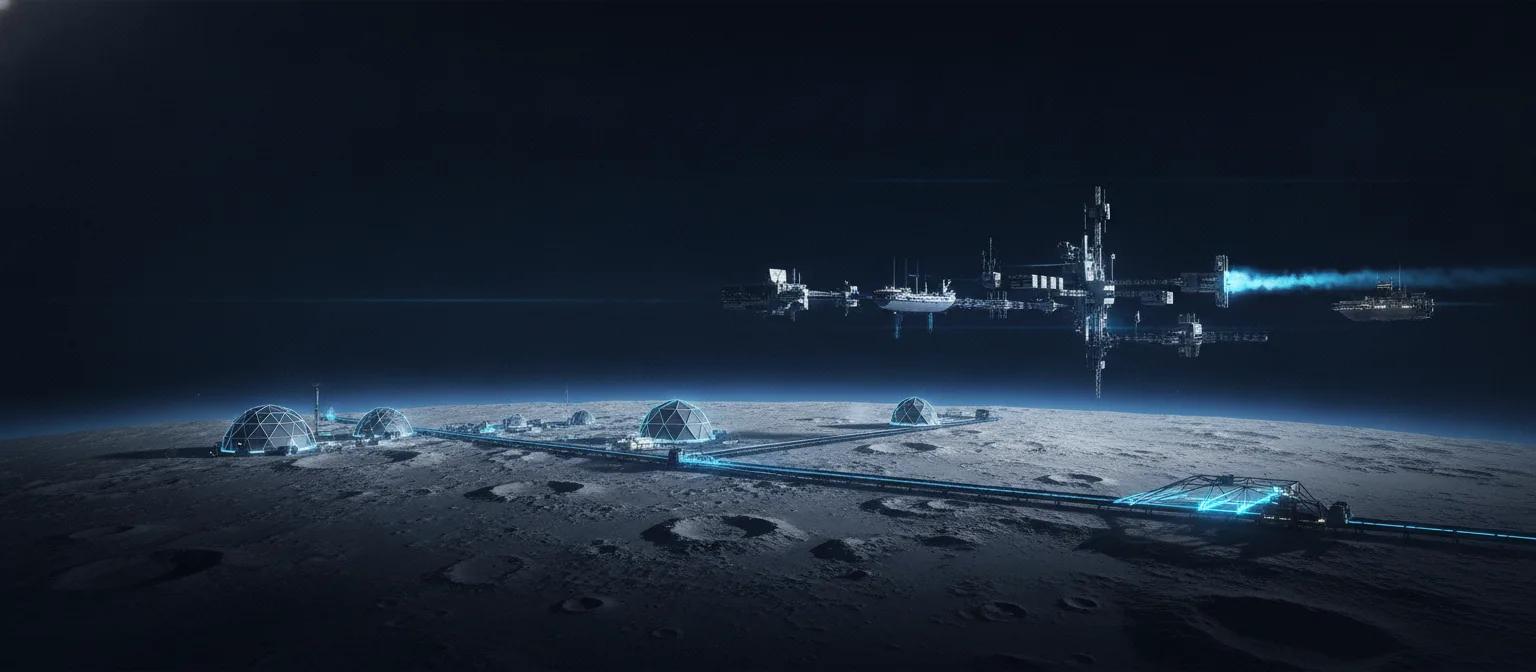
Lunar environs
Regolith processing, manufacturing plants, the first off-world industry.
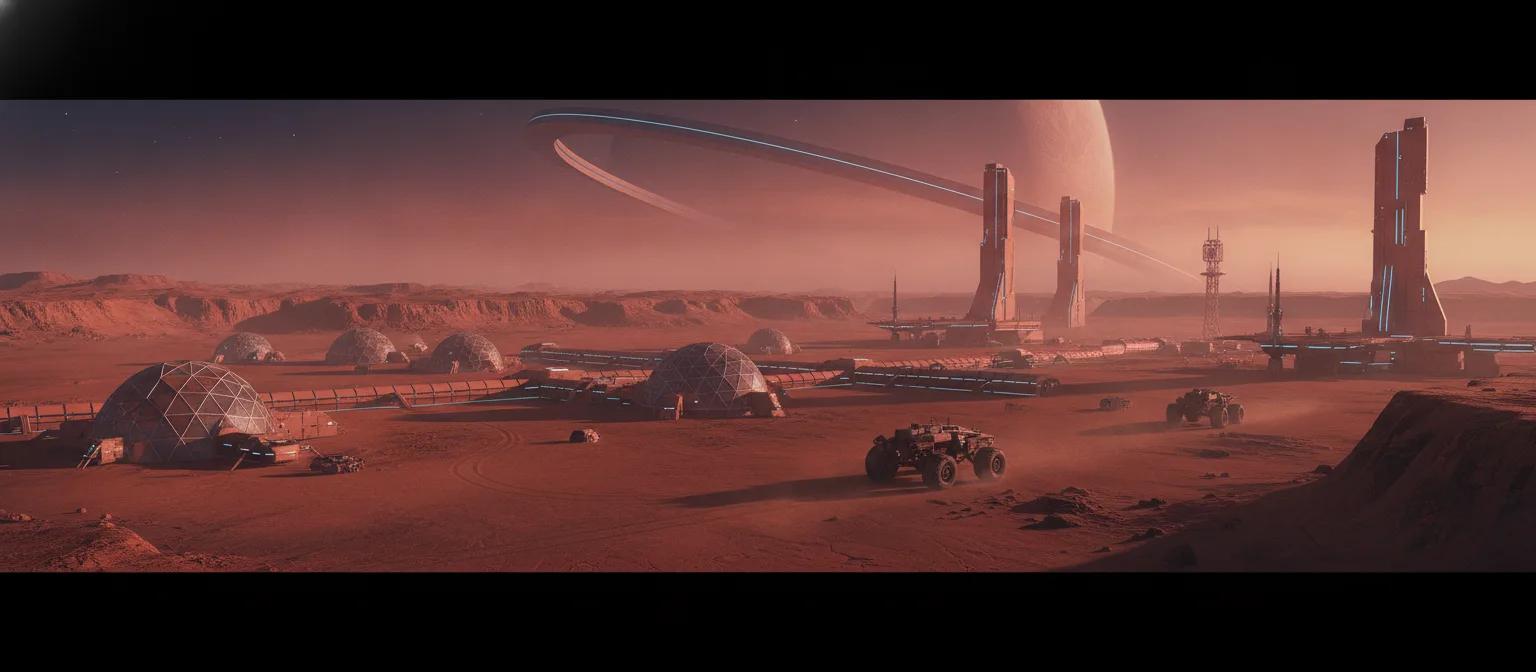
Mars
Colonies, Sabatier fuel, a second market centre.
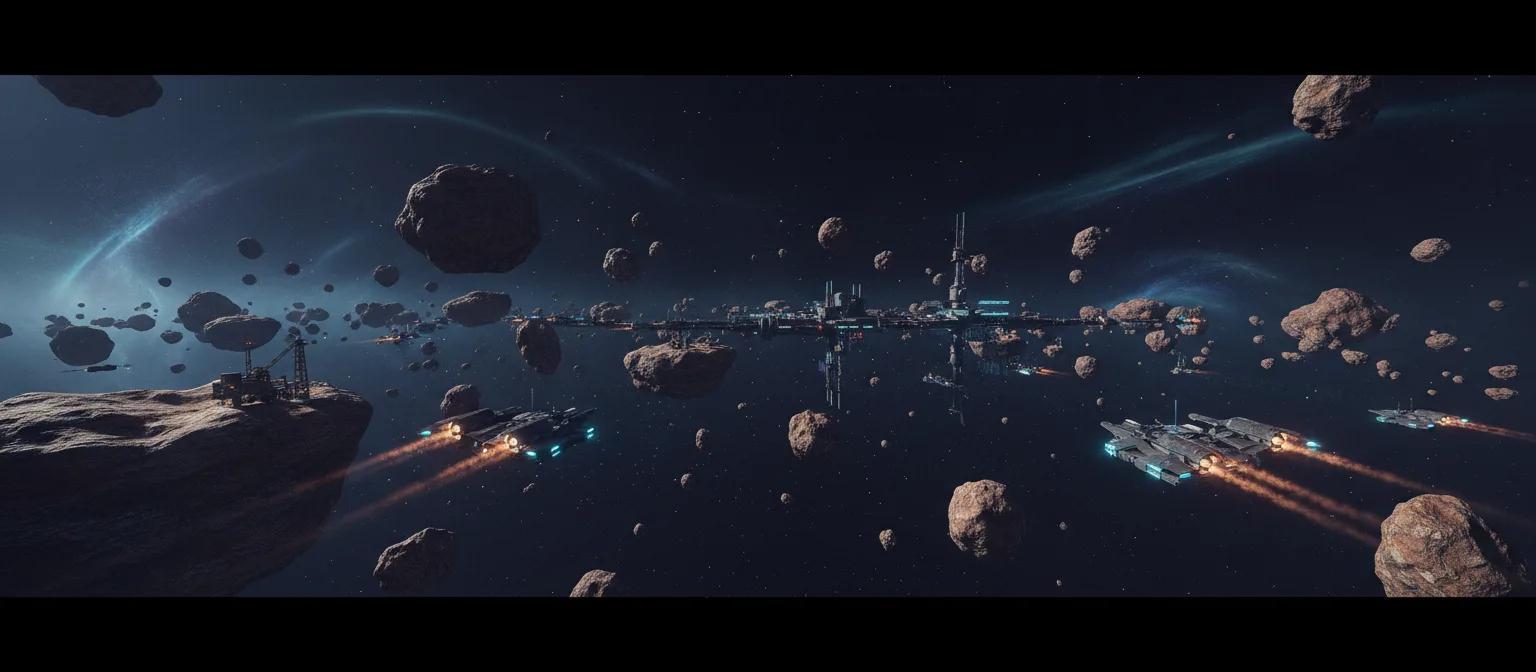
Asteroid belt
Contested deposits, refineries, the chokepoint corridors.
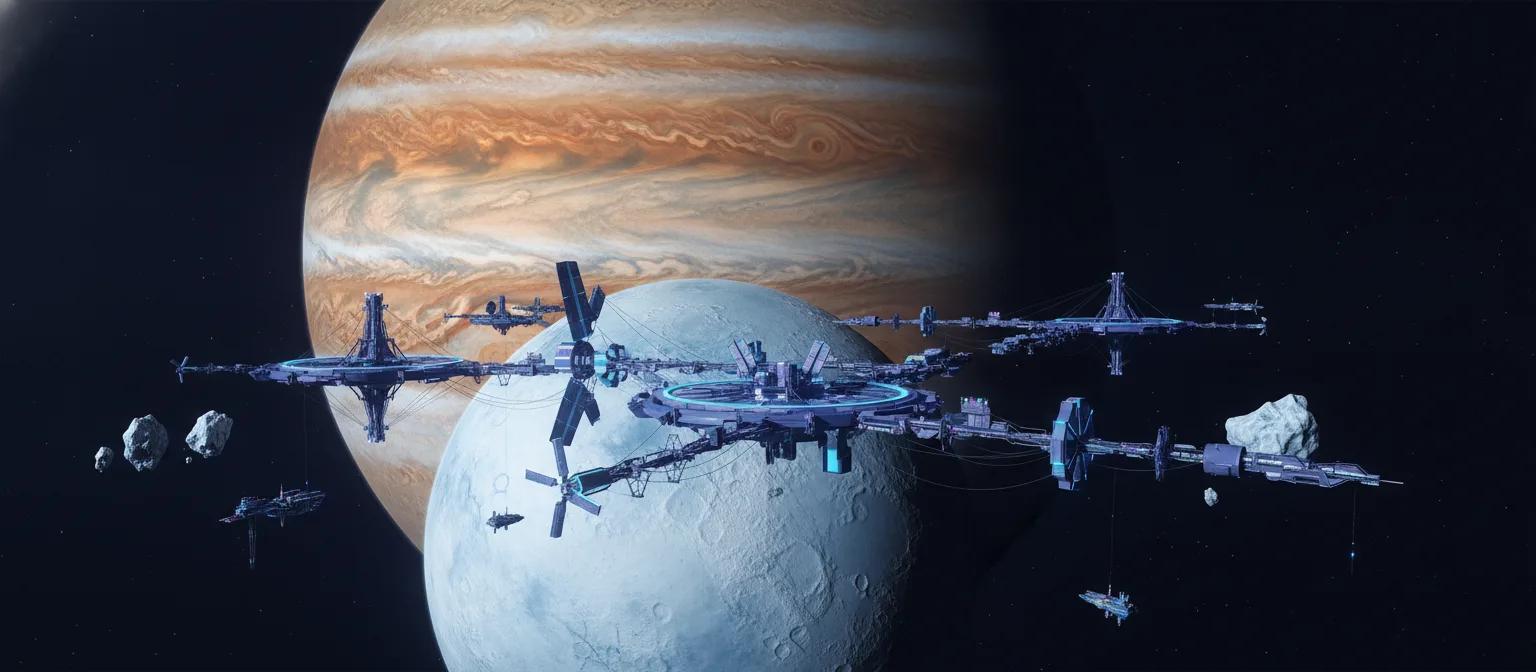
Jovian moons
Deep-space holdings and the long supply lines that feed them.
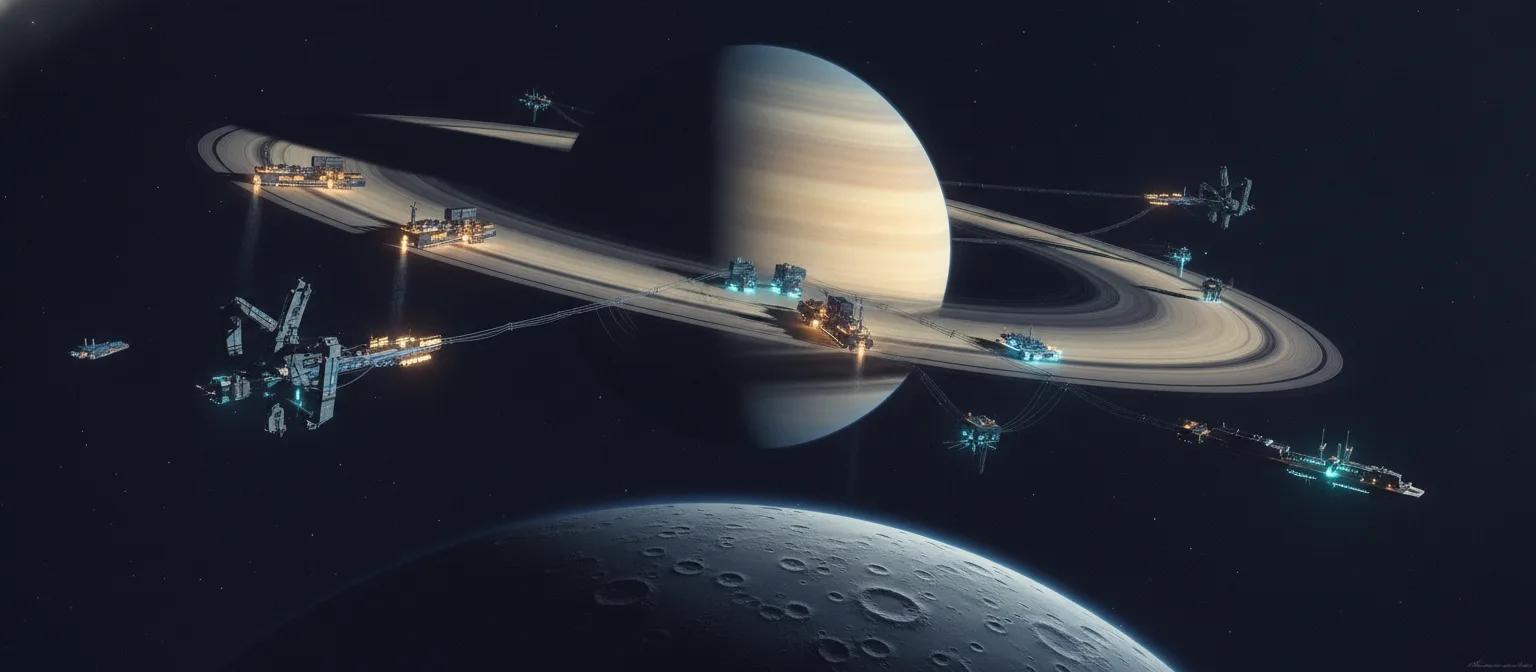
Saturnian moons
Titan chemistry and the outer-system trade.
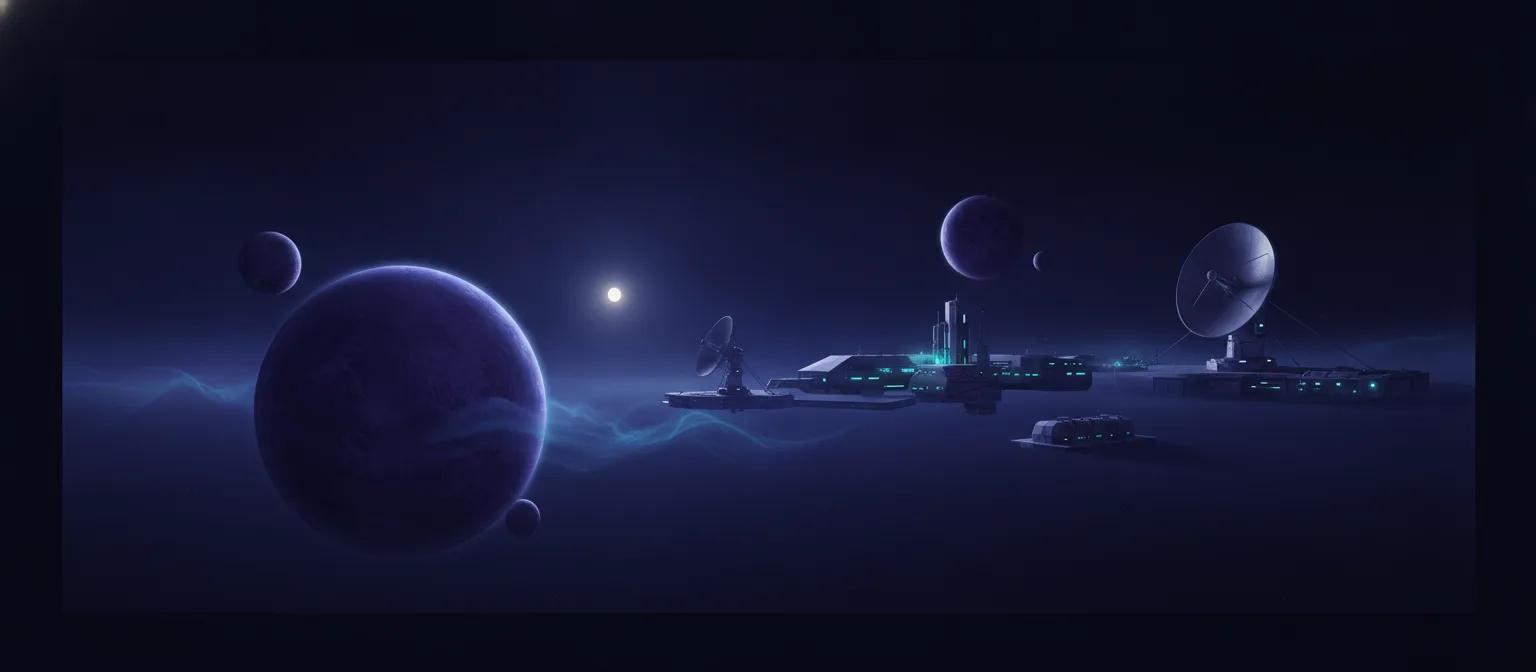
Outer system
Kuiper-belt expeditions, exotic finds, the edge of the heliosphere.
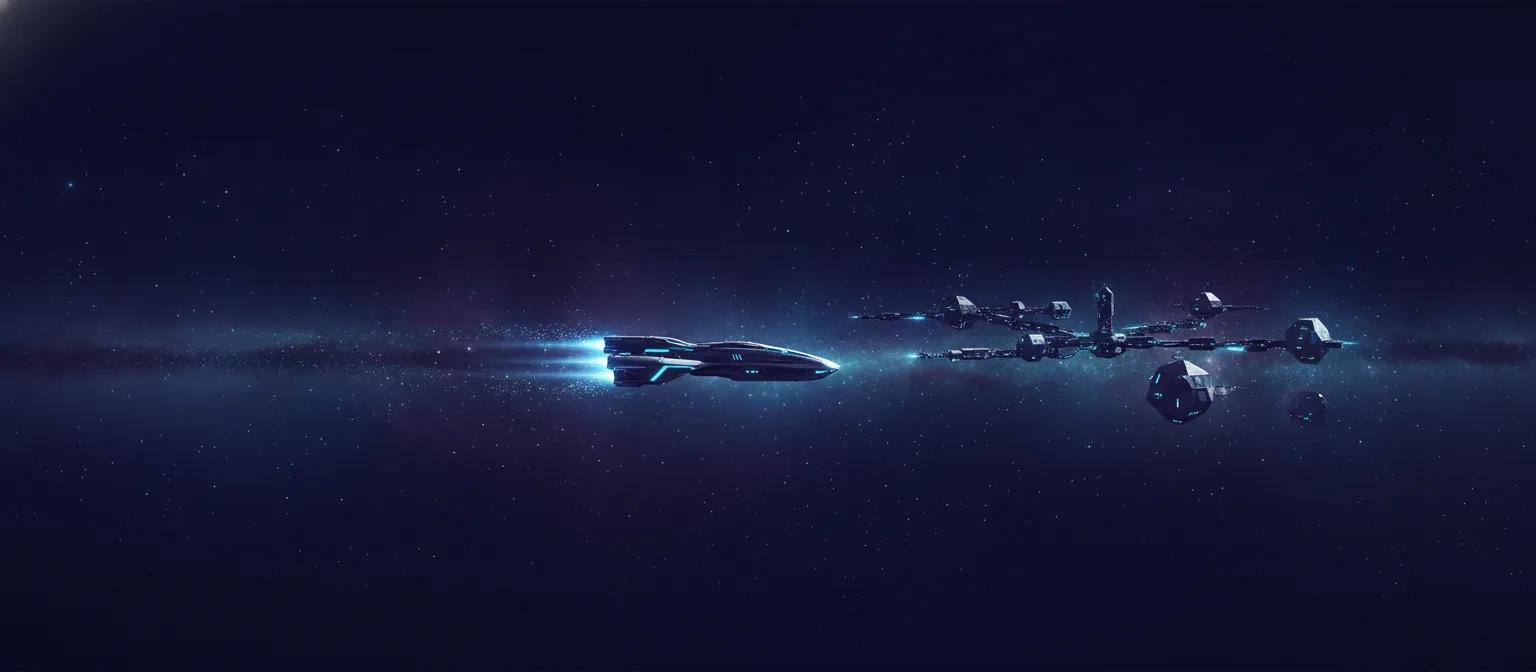
Interstellar
The end-game: expeditions beyond the heliopause and what they bring back.
How it compares
We make one of these, so read the row as a claim, not a verdict. Details on the others are as of their public descriptions.
| Game | Model | Combat | Economy | Real money |
|---|---|---|---|---|
| Space Tycoon | Free, browser, no download | None: rivalry is economic | One shared live market; manufacturing; player and NPC-corp listings | Cosmetic only, stated policy |
| EVE Online | Free-to-play + subscription, client | Central (PvP fleet warfare) | Deep player market, industry, regional hubs | PLEX / skill injectors |
| Prosperous Universe | Free tier + subscription, browser | None | Deep production chains and commodity exchanges | Subscription unlocks |
| X4: Foundations | Paid, single-player | Yes | Simulated station economy, single player | DLC |
| Elite Dangerous | Paid, client | Yes | Trading and mining loops, background sim | Cosmetics / expansions |
Looking for the wider field? Best space economy games in 2026.
What a week looks like
- Minutes: market orders, ship dispatch, contract bids, an event to respond to.
- Daily: contracts refresh, maintenance decisions, an intelligence briefing.
- Weekly: league standings, corporate elections, faction standings, seasonal events.
- Quarterly: every corporation publishes a public report: revenue, growth, notable acquisitions.
- Epochs: the world restarts fresh on a set cadence so newcomers start on a level solar system. Epoch 2 began 24 August 2026.
Built inside a space-industry site
Space Tycoon lives on SpaceNexus, which tracks every launch, 430+ companies, funding rounds and the space economy for enthusiasts and the industry. That is why the simulation can use real launch schedules and NOAA space weather, and why the game's canonical lore is written against a real 21st-century starting point. Mission Control is next door.
Frequently asked
Is Space Tycoon a space MMO?
Yes. Every player shares one persistent economy: the same live market, contracts, weekly league and faction standings. Corporations, alliances, mergers and takeovers are the end-game. There is no fleet combat; players compete by out-producing, out-trading and out-manoeuvring each other.
Is it free? Is there pay-to-win?
Free to play in the browser with no download. Real-money purchases are cosmetic or convenience only: never resources, money, research acceleration or exclusive gameplay. The no-pay-to-win commitment is written into the public policy. Space Tycoon is a game. Its companies, shares, markets and credits are fictional, have no cash value and cannot be exchanged for money.
What do you actually do in it?
Build launch pads, stations and factories; mine and refine; manufacture components at fabrication facilities; list them on the order book; win contracts; research a 270-plus technology tree; expand from Earth to the Moon, Mars, the belt and beyond; and form or join a corporation to do all of it at scale.
Is it a live-service game?
The world moves whether you are logged in or not. Contracts and briefings refresh daily, league and faction standings weekly, corporate quarterlies every operating quarter (three six-hour cycles), seasonal events on a calendar. Real launches and NOAA space weather feed the simulation. Balance passes ship continuously and are logged in the dev log, and a public economic balance report is published every quarter.
How does it compare to EVE Online or Prosperous Universe?
Closest to Prosperous Universe in spirit (economy first, no combat) with a lighter on-ramp and a real-solar-system setting; closest to EVE in the corporate end-game, minus the fleet warfare. See the table on this page.
Does it work on a phone?
Yes: every command-centre feature is designed for touch and small screens. Play it in your phone's browser, or install SpaceNexus as a web app from your browser (spacenexus.us/app). An Android app on Google Play is coming; the listing is pending.
No account needed to look around.
Open the command centre, read the market, then found a corporation when you are ready.