Source: Space EventsRefreshes every 2 min
100
Total Events
4
Next 48 Hours
0
Crewed Missions
20
Agencies
📺Live Now3 missions
Active Streams
Click a mission to watch the stream
⏰Upcoming in 48 Hours4 launches

🚀 LaunchLIVEUSA
Starlink Group 31-2 (Starship Flight 15)
📍 SpaceX Starbase, TX, USA🚀 Starship V3
T-Minus
Fri, Nov 13 at 10:45 PM UTC
Watch Live
🚀 LaunchLIVERUS
MKA Kinosputnik, KOEN and others
Russian Federal Space Agency (ROSCOSMOS)
📍 Vostochny Cosmodrome, Siberia, Russian Federation🚀 Soyuz 2.1b Fregat-M
T-Minus
Sat, Nov 14 at 01:16 AM UTC
Mission Info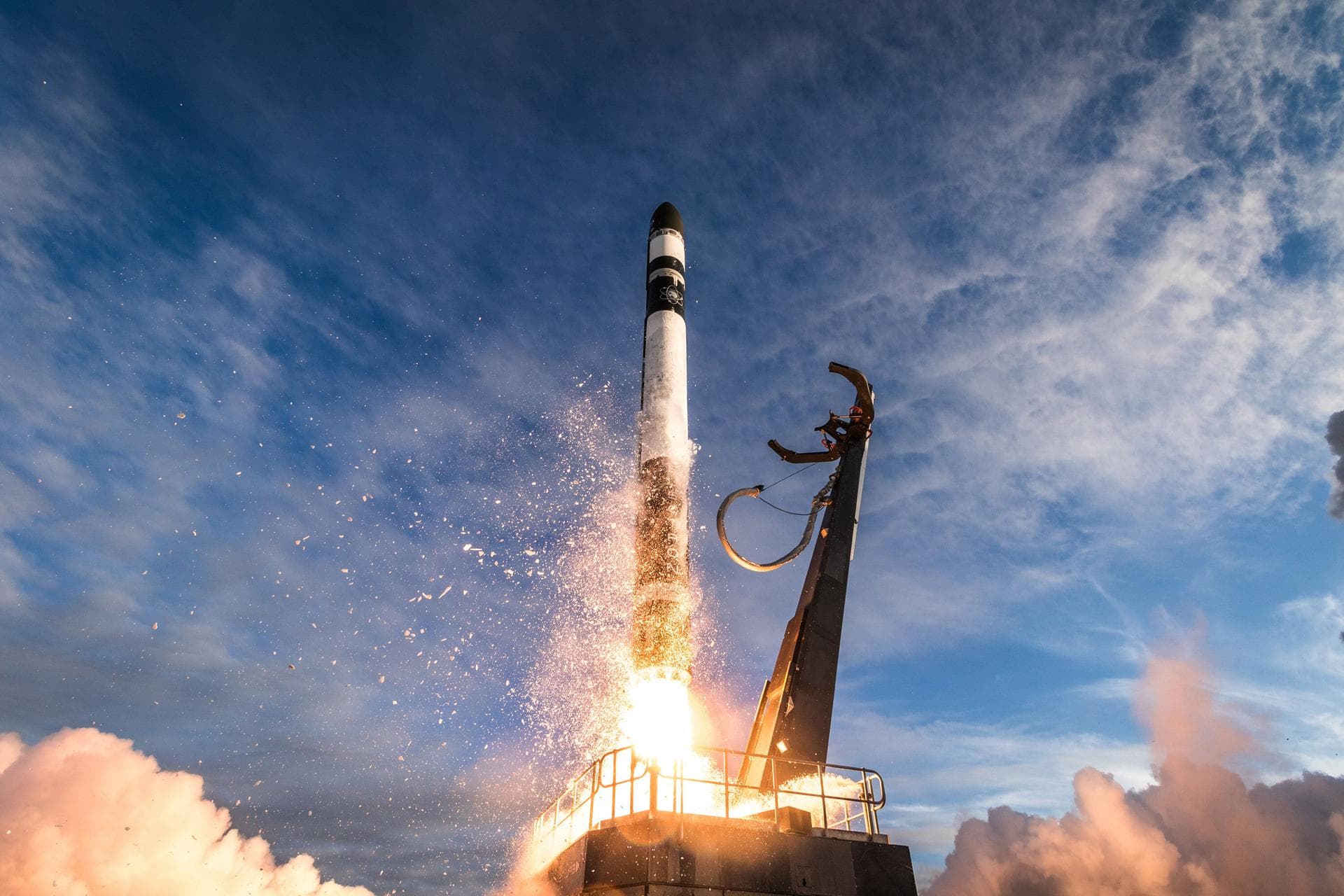
🚀 LaunchLIVENZL
The Mountain God Rises (iQPS Launch 10)
📍 Rocket Lab Launch Complex 1, Mahia Peninsula, New Zealand🚀 Electron
T-Minus
Sat, Nov 14 at 05:30 AM UTC
Watch Live
🚀 LaunchLIVEUSA
Amazon Leo (LV-01)
📍 Cape Canaveral SFS, FL, USA🚀 Vulcan VC6L
T-Minus
Sat, Nov 14 at 05:32 PM UTC
Watch Live📅2026(100 events)
Nov
November(23 events)
🚀 LaunchSOONUSA
Starlink Group 31-2 (Starship Flight 15)
📅Fri, Nov 13, 2026 10:45 PM📍 SpaceX Starbase, TX, USA
15th test flight of the two-stage Starship launch vehicle and 4th flight of Starship V3. Second Starship flight to deploy satellites (a group of Starlink satellites known as Starlink Group 31-2) into stable Low Earth Orbit and first ever to attempt returning the Starship 2nd stage back to the launch site. The ship is expected to fly at an altitude approximately 275 km above Earth and complete approximately 14 orbits around the planet for more than 22 hours, with the ship expected to attempt returning back to Starbase, Texas on its launch pad by pad arms catching. The booster’s primary test objective on Flight 15 will be executing a successful launch, ascent, stage separation, boostback burn, and landing by pad arms catching. This will also be the 1st Starship V3 booster to attempt returning to its launch site. Starship will deliver 26 Starlink V3 satellites to orbit for the second time, which aim to greatly expand the network's capacity and user speeds. Each Starlink V3 satellite will add 1 Tbps of capacity to the constellation. 3 of the satellites have been modified with a suite of cameras to scan Starship’s heatshield and transmit imagery down to operators.
🚀 LaunchSOONRUS
MKA Kinosputnik, KOEN and others
Russian Federal Space Agency (ROSCOSMOS)
📅Sat, Nov 14, 2026 01:16 AM📍 Vostochny Cosmodrome, Siberia, Russian Federation
Share-ride of multiple satellites, including dual-use optical Earth observation satellites and drone-guiding satellites: * MKA Kinosputnik * KOEN, KA MT-LAB * NPO Kaisant 6U cubesat with a Germes modem * NPO Kaisant 16U cubesat with Gonets modems
🚀 LaunchSOONNZL
The Mountain God Rises (iQPS Launch 10)
📅Sat, Nov 14, 2026 05:30 AM📍 Rocket Lab Launch Complex 1, Mahia Peninsula, New Zealand
🚀 Electron
Synthetic aperture radar Earth observation satellite for Japanese Earth imaging company iQPS.
🚀 LaunchSOONUSA
Amazon Leo (LV-01)
📅Sat, Nov 14, 2026 05:32 PM📍 Cape Canaveral SFS, FL, USA
Amazon Leo, formerly known as Project Kuiper, is a mega constellation of satellites in Low Earth Orbit that will offer broadband internet access, this constellation will be managed by Kuiper Systems LLC, a subsidiary of Amazon. This constellation is planned to be composed of 3,276 satellites. The satellites are projected to be placed in 98 orbital planes in three orbital layers, one at 590 km, 610 km and 630 km altitude. 45 satellites will be carried on each Vulcan launch.
🚀 LaunchUSA
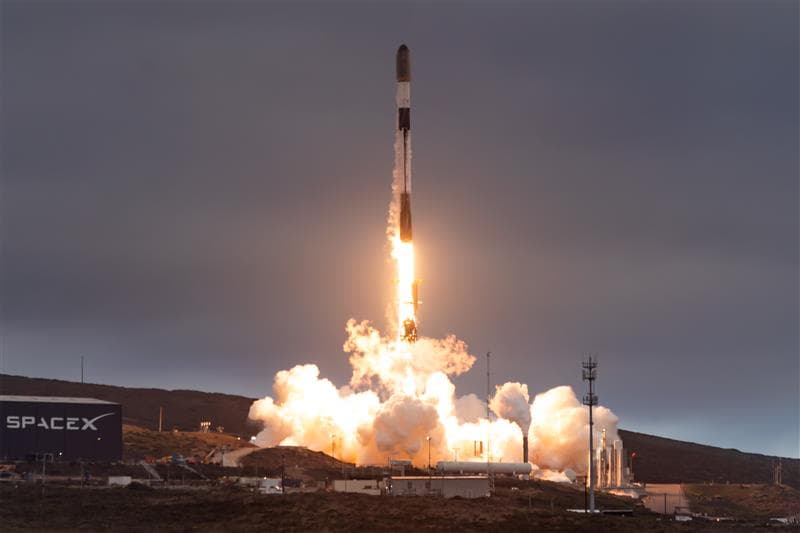
USSF-317
📅Wed, Nov 18, 2026 03:14 AM📍 Vandenberg SFB, CA, USA
A classified mission for the United States Space Force. It is possibly a batch of classified LEO satellites based on SpaceX’s Starshield satellite bus, based on locations of rocket stage drop zones being exact fits with previous Starlink Group 15 launches.
🚀 LaunchUSA
USSF-266
📅Wed, Nov 18, 2026 04:49 PM📍 Vandenberg SFB, CA, USA
A classified mission for the United States Space Force. It is possibly a batch of classified LEO satellites based on SpaceX’s Starshield satellite bus, based on locations of ascent rocket stage drop zones being fits with previous SDA Transport Layer launches.
🚀 LaunchCHN
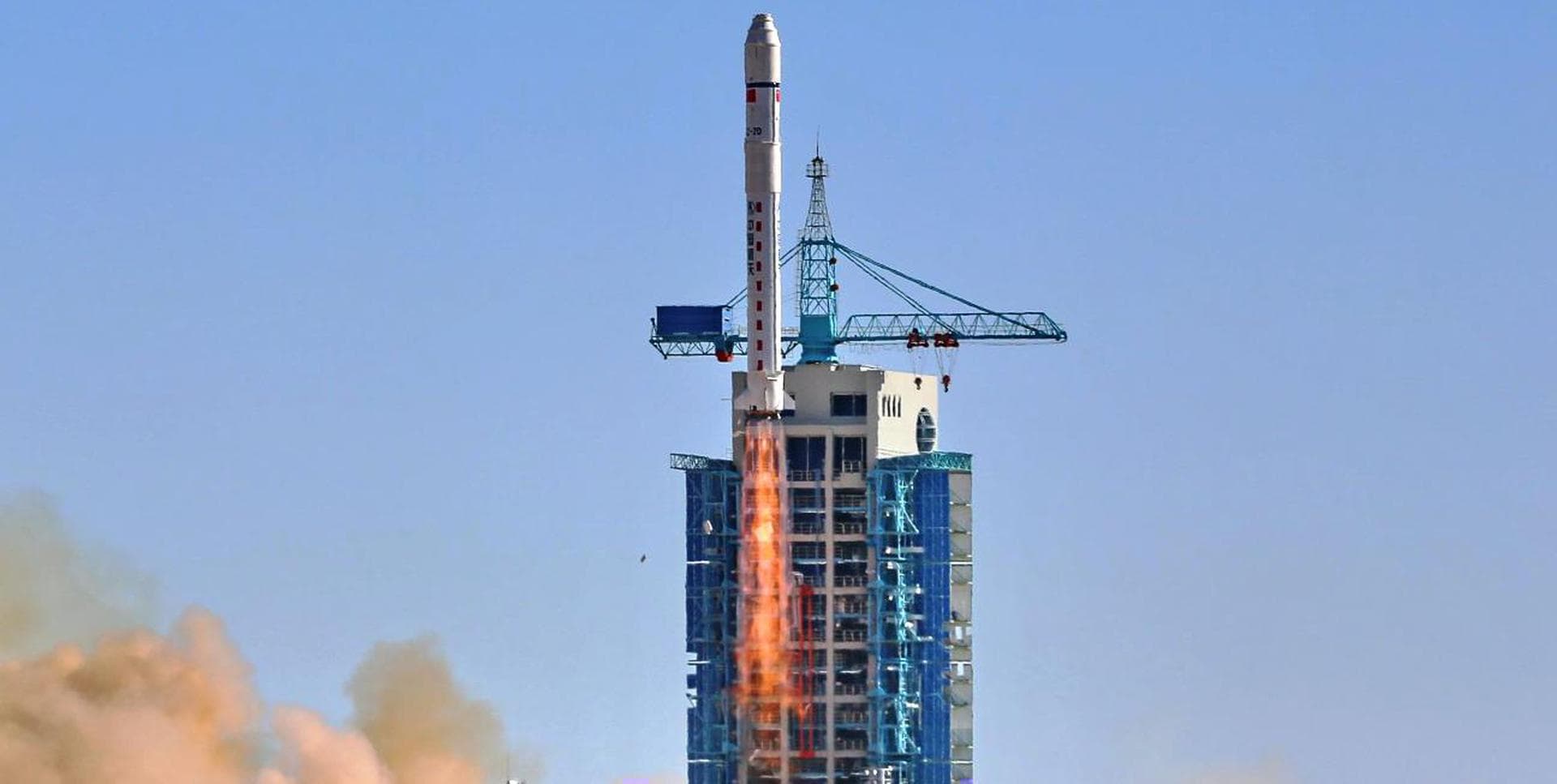
Long March 2D launch
China Aerospace Science and Technology Corporation
📅Wed, Nov 18, 2026 10:50 PM📍 Taiyuan Satellite Launch Center, People's Republic of China
Details TBD.
🚀 LaunchCHN
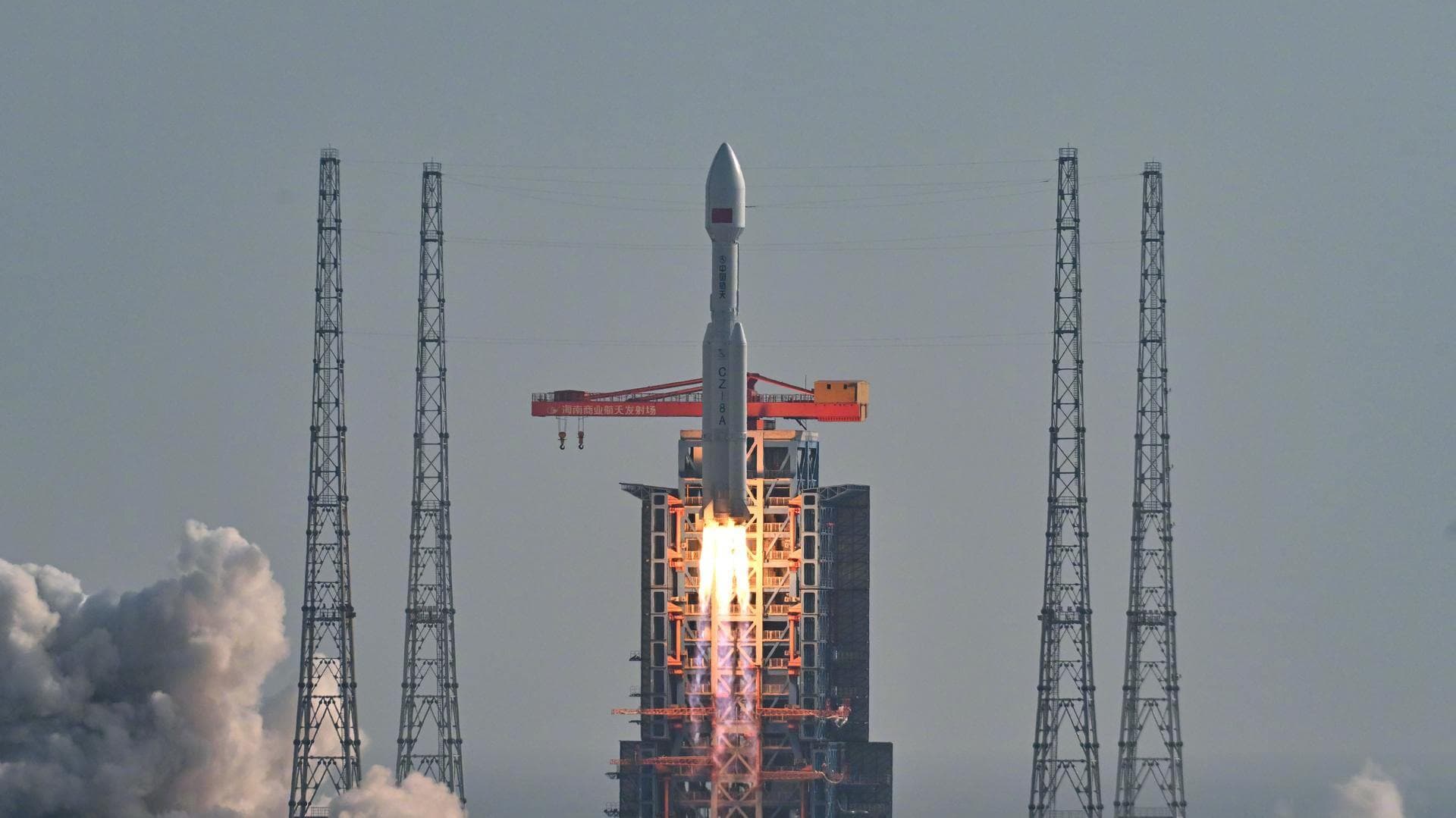
SatNet LEO Group
China Aerospace Science and Technology Corporation
📅Fri, Nov 20, 2026 11:00 AM📍 Wenchang Space Launch Site, People's Republic of China
🚀 Long March 8A
A batch of 9 Low Earth Orbit communication satellites for the Chinese state owned SatNet constellation operated by the China Satellite Network Group. The constellation will eventually consists of 13000 satellites.
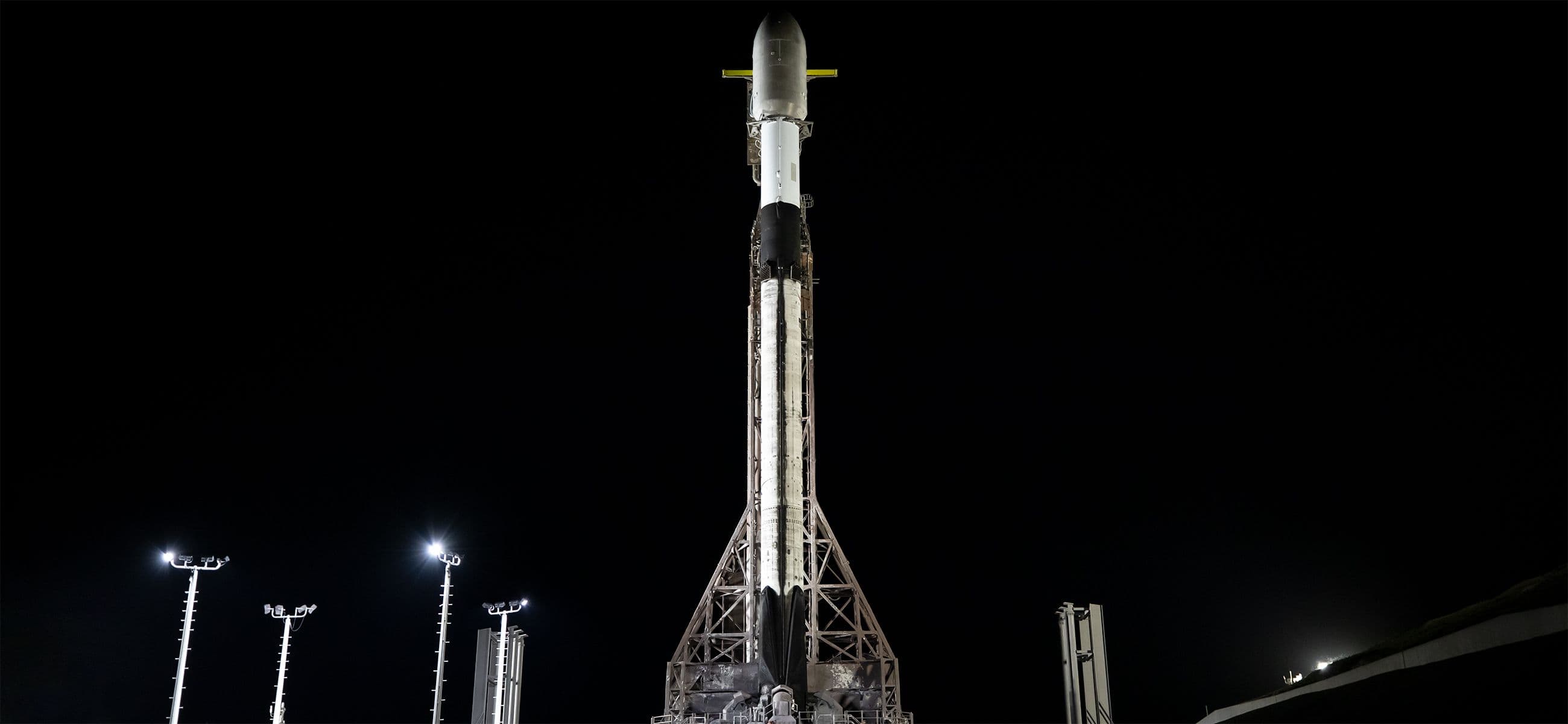
🚀 LaunchUSA
NROL-136
📅Sat, Nov 21, 2026 12:30 PM📍 Vandenberg SFB, CA, USA
Fifteenth batch of satellites for a reconnaissance satellite constellation built by SpaceX and Northrop Grumman for the National Reconnaissance Office to provide imaging and other reconnaissance capabilities.
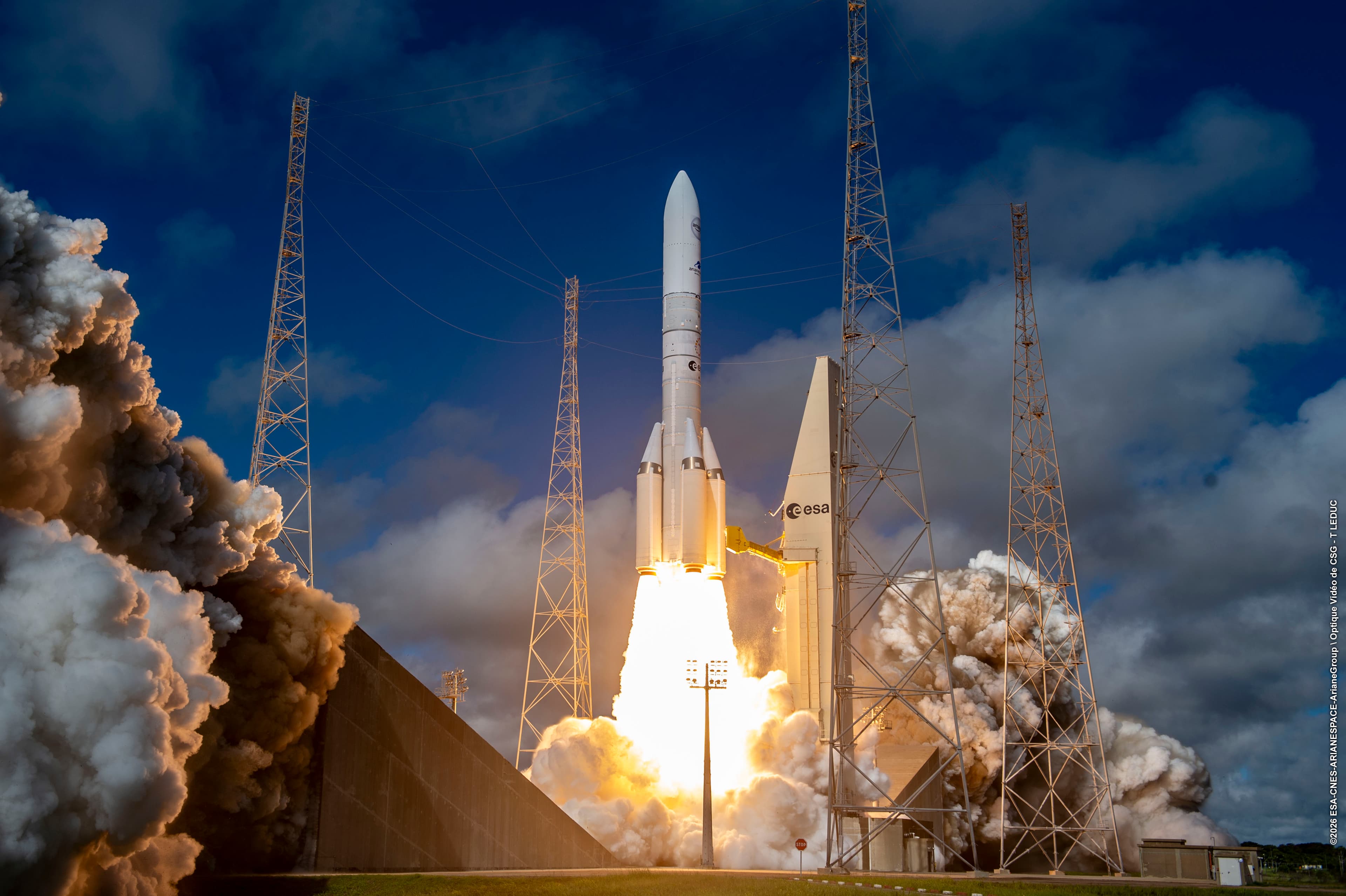
🚀 LaunchGUF
Amazon Leo (LE-04)
📅Mon, Nov 23, 2026 12:00 AM📍 Guiana Space Centre, French Guiana
Amazon Leo, formerly known as Project Kuiper, is a mega constellation of satellites in Low Earth Orbit that will offer broadband internet access, this constellation will be managed by Kuiper Systems LLC, a subsidiary of Amazon. This constellation is planned to be composed of 3,276 satellites. The satellites are projected to be placed in 98 orbital planes in three orbital layers, one at 590 km, 610 km and 630 km altitude. 35-40 satellites will be carried on each Ariane 6 launch.
🚀 LaunchKAZ
Progress MS-36 (97P)
Russian Federal Space Agency (ROSCOSMOS)
📅Tue, Nov 24, 2026 05:03 AM📍 Baikonur Cosmodrome, Republic of Kazakhstan
Progress resupply mission to the International Space Station.
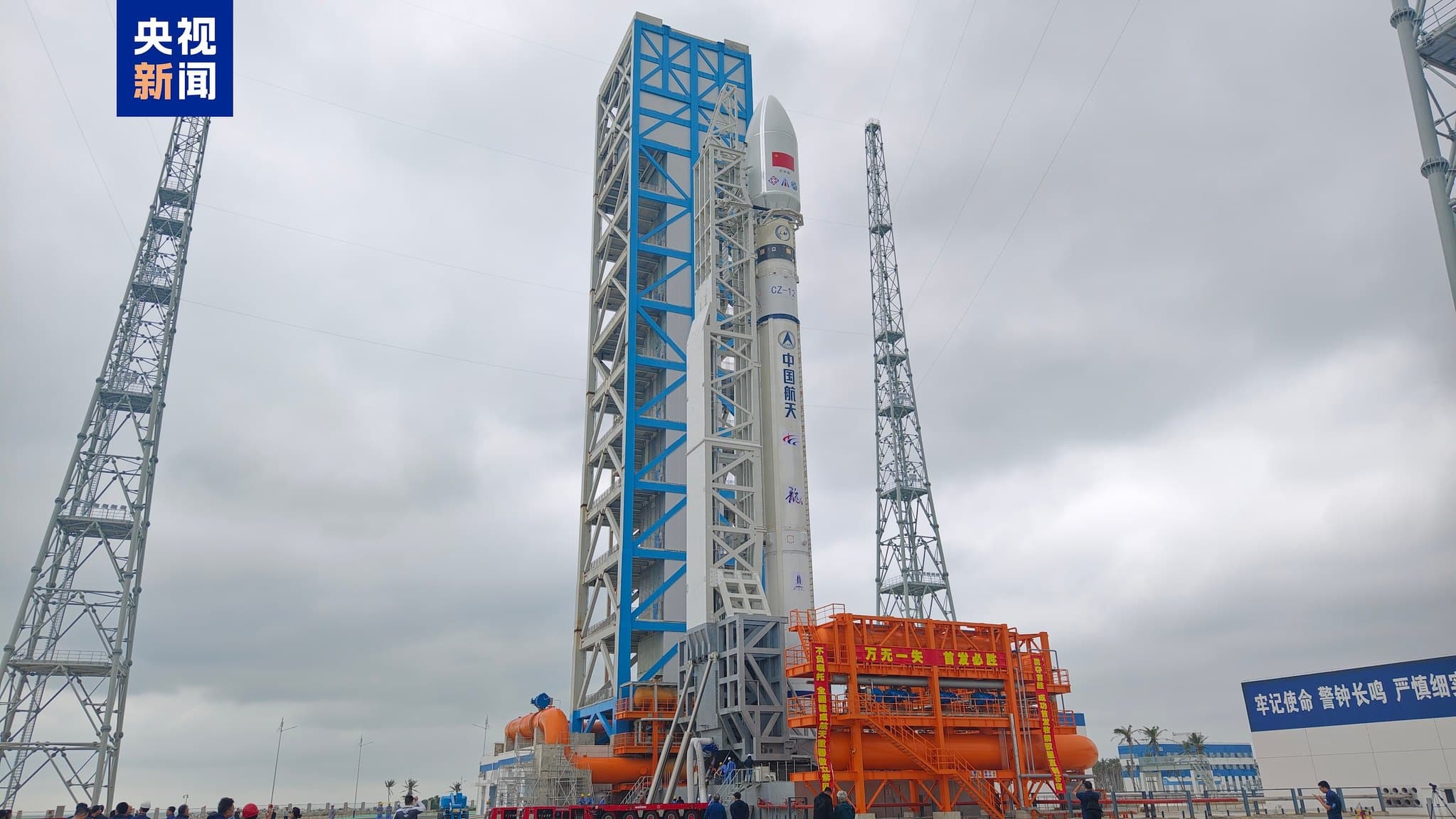
🚀 LaunchCHN
SatNet LEO Group
China Aerospace Science and Technology Corporation
📅Tue, Nov 24, 2026 07:00 AM📍 Wenchang Space Launch Site, People's Republic of China
🚀 Long March 12
A batch of 9 Low Earth Orbit communication satellites for the Chinese state owned SatNet constellation operated by the China Satellite Network Group. The constellation will eventually consists of 13000 satellites.

🚀 LaunchCHN
Shenzhou 24
China Aerospace Science and Technology Corporation
📅Wed, Nov 25, 2026 12:00 AM📍 Jiuquan Satellite Launch Center, People's Republic of China
🚀 Long March 2F/G
Shenzhou 24 will be the 24th flight of the Shenzhou program. The first astronaut from Pakistan is expected to fly on this on a short duration mission, with another Chinese astronaut to undergo a year long expedition.

🚀 LaunchNOR
AT-Astra and Others (Spectrum Flight 3)
Isar Aerospace
📅Thu, Nov 26, 2026 08:00 PM📍 Andøya Spaceport
🚀 Spectrum
Third test flight of the Isar Spectrum launch vehicle. This launch will carry various satellites including R-Space’s AT-Astra/IOD-01, which will perform in-orbit demonstrations for ENPULSION, SUNBOOSTER GmbH, and Synopsis Planet.
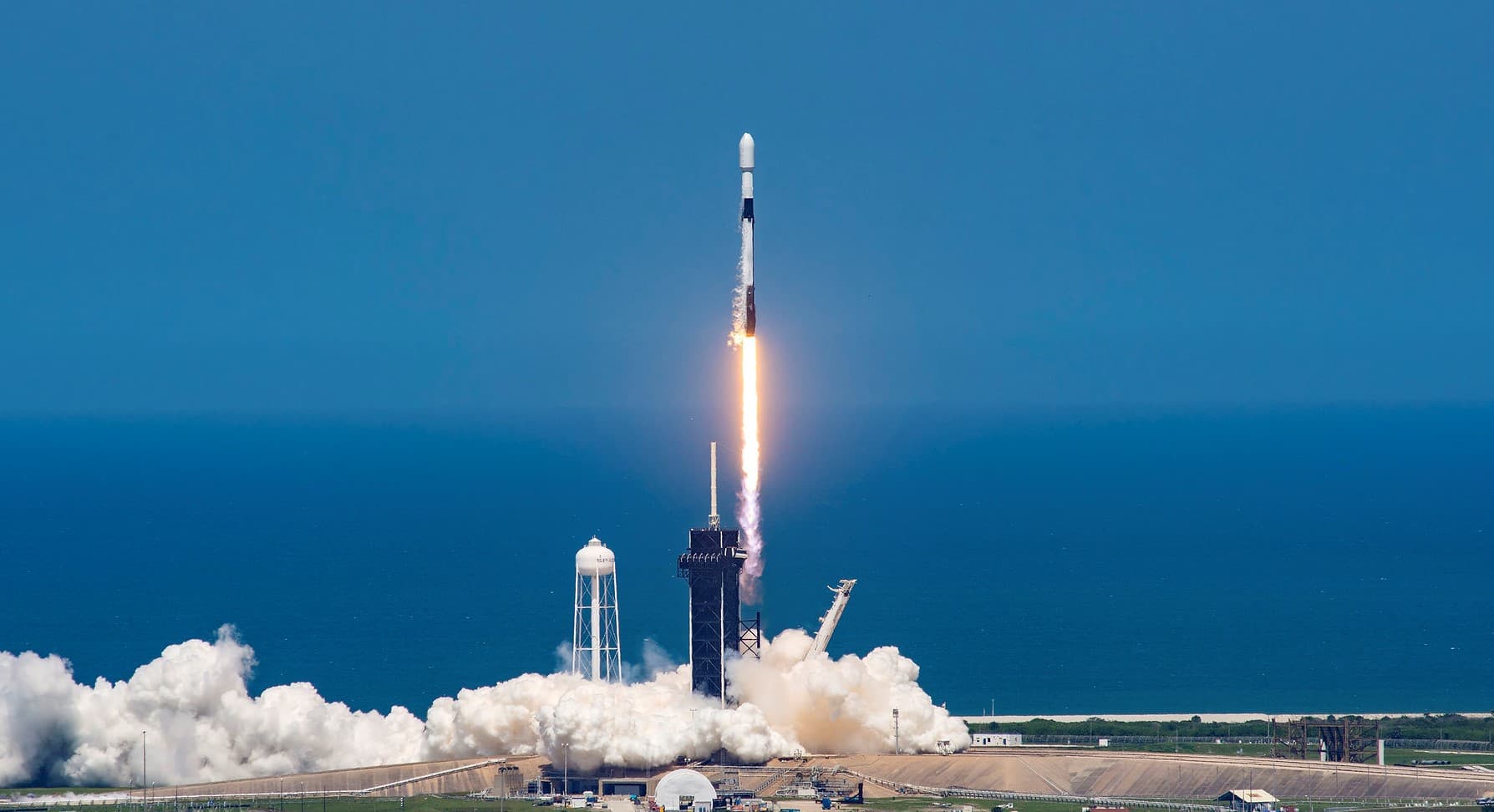
🚀 LaunchUSA
Cygnus CRS-2 NG-25
📅Sun, Nov 29, 2026 03:47 PM📍 Cape Canaveral SFS, FL, USA
This is the 25th flight of the Orbital ATK's uncrewed resupply spacecraft Cygnus and its 24th flight to the International Space Station under the Commercial Resupply Services contract with NASA.
🚀 LaunchUSA
NROL-195
📅Mon, Nov 30, 2026 12:00 AM📍 Vandenberg SFB, CA, USA
Sixteenth batch of satellites for a reconnaissance satellite constellation built by SpaceX and Northrop Grumman for the National Reconnaissance Office to provide imaging and other reconnaissance capabilities.

🛸 Probe
BepiColombo Mercury Orbit Insertion
📅Mon, Nov 30, 2026 12:00 AM📍 Mercury
Orbital insertion around Mercury of the ESA-JAXA BepiColombo mission.
🚀 LaunchUSA
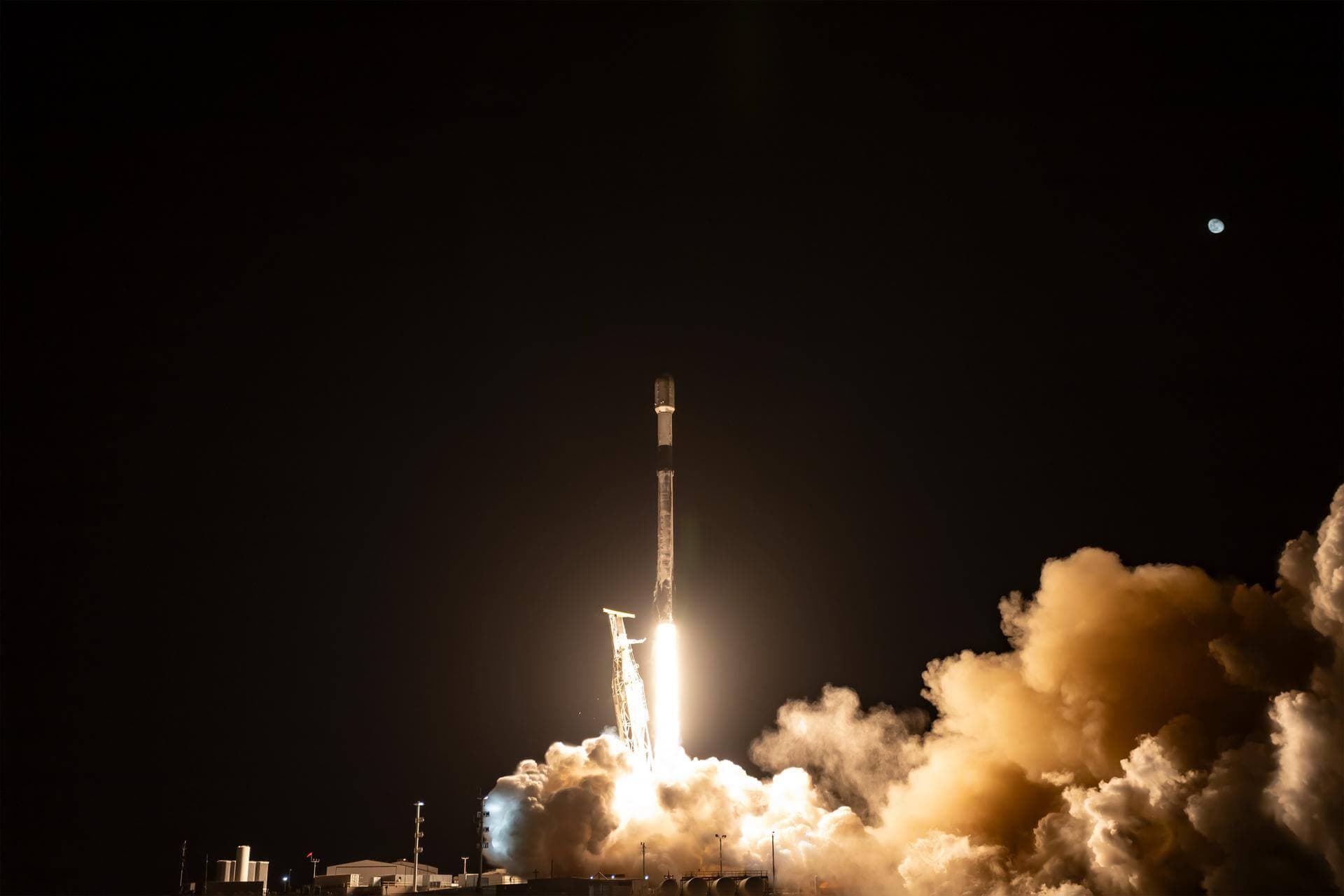
OneWeb 21
📅Mon, Nov 30, 2026 12:00 AM📍 Vandenberg SFB, CA, USA
A batch of 32 satellites for the OneWeb satellite constellation, which is intended to provide global Internet broadband service for individual consumers. The constellation is planned to have around 648 microsatellites (of which 60 are spares), around 150 kg each, operating in Ku-band from low Earth orbit.
🚀 Launch???
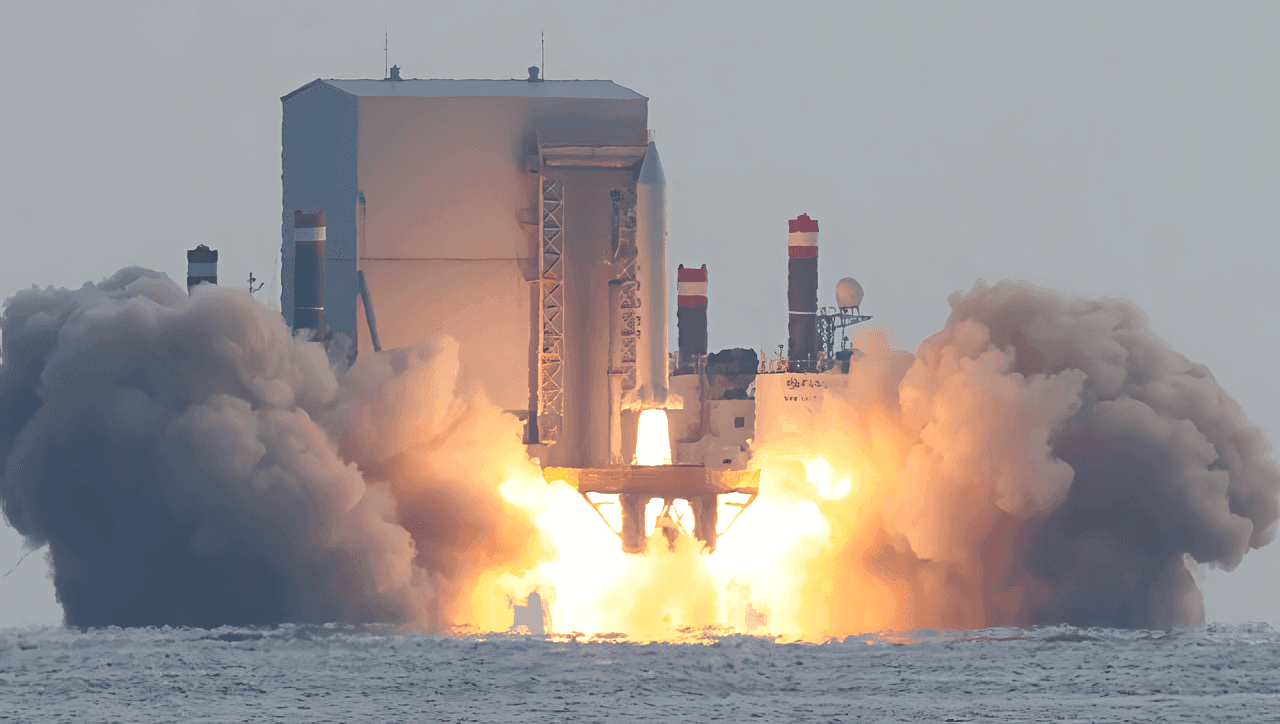
Demo Flight
Agency for Defense Development
📅Mon, Nov 30, 2026 12:00 AM📍 Sea Launch
🚀 Mir
Note: Launch vehicle name is provisional. First orbital full version launch of the South Korean military small satellite launch vehicle, after 2 sub-orbital tests of individual stages on 30 March and 30 December 2022, and 1 orbital test flight without the 2nd stage on 4 December 2023. Details TBD.
🚀 LaunchIND
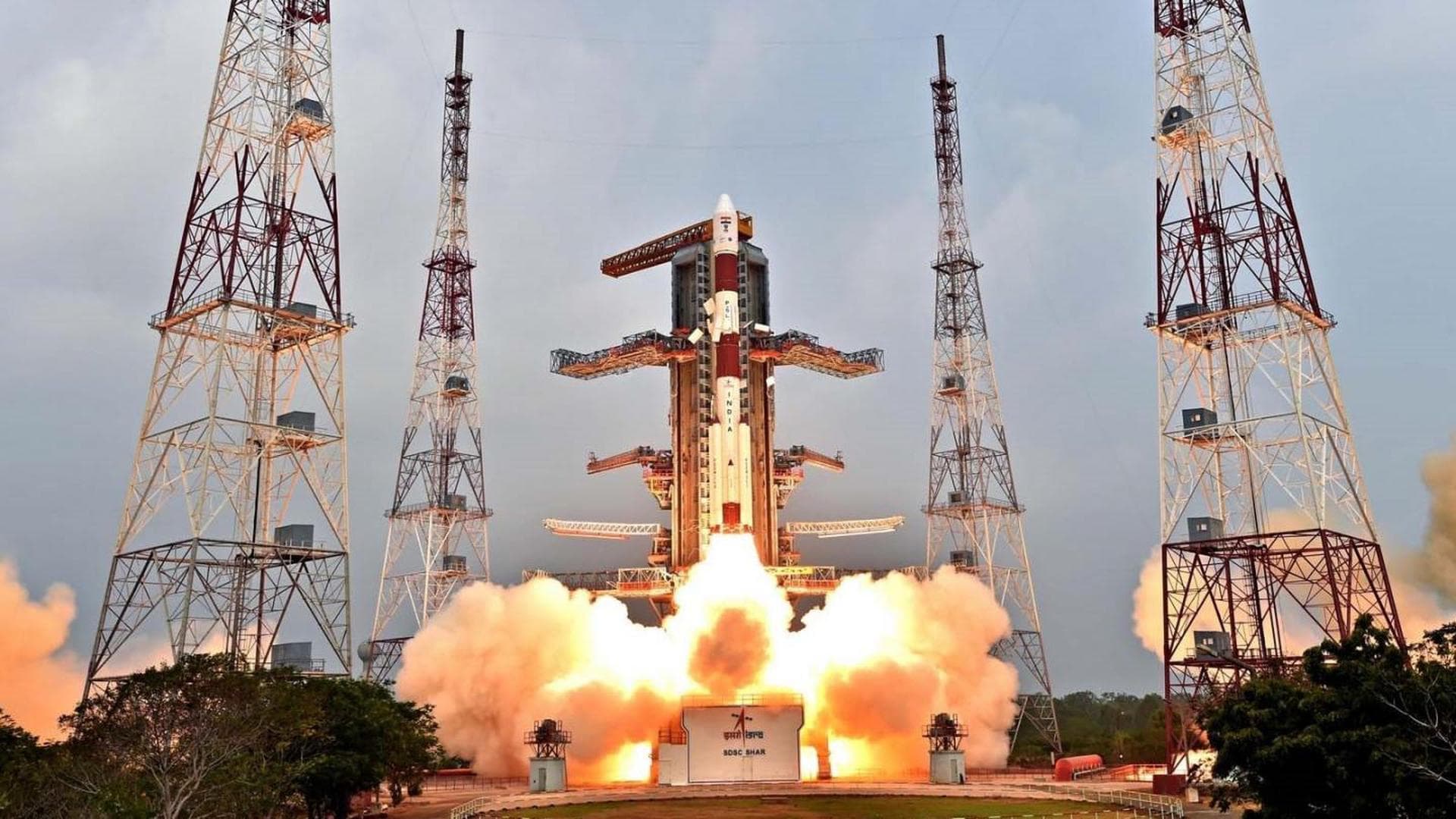
TDS-01
Indian Space Research Organization
📅Mon, Nov 30, 2026 12:00 AM📍 Satish Dhawan Space Centre, India
🚀 PSLV XL
TDS-01 (Technology Demonstration Satellite-01) is an Indian geostationary orbit technology demonstration satellite carrying payloads for the Indian Space Research Organisation (ISRO)’s Institute of Plasma Research, Gandhinagar and the CSIR-CEERI, Pilani. Payloads to be tested included an internally developed 300 mN electric powered thrusters, atomic clocks, travelling wave tube amplifiers (TWTA) & a quantum communication suite (QuTDS).

🚀 LaunchIND
Gaganyaan-1
Indian Space Research Organization
📅Mon, Nov 30, 2026 12:00 AM📍 Satish Dhawan Space Centre, India
🚀 Launch Vehicle Mark-3 (GSLV Mk III)
First uncrewed orbital test flight of the Gaganyaan capsule.
🚀 LaunchCHN
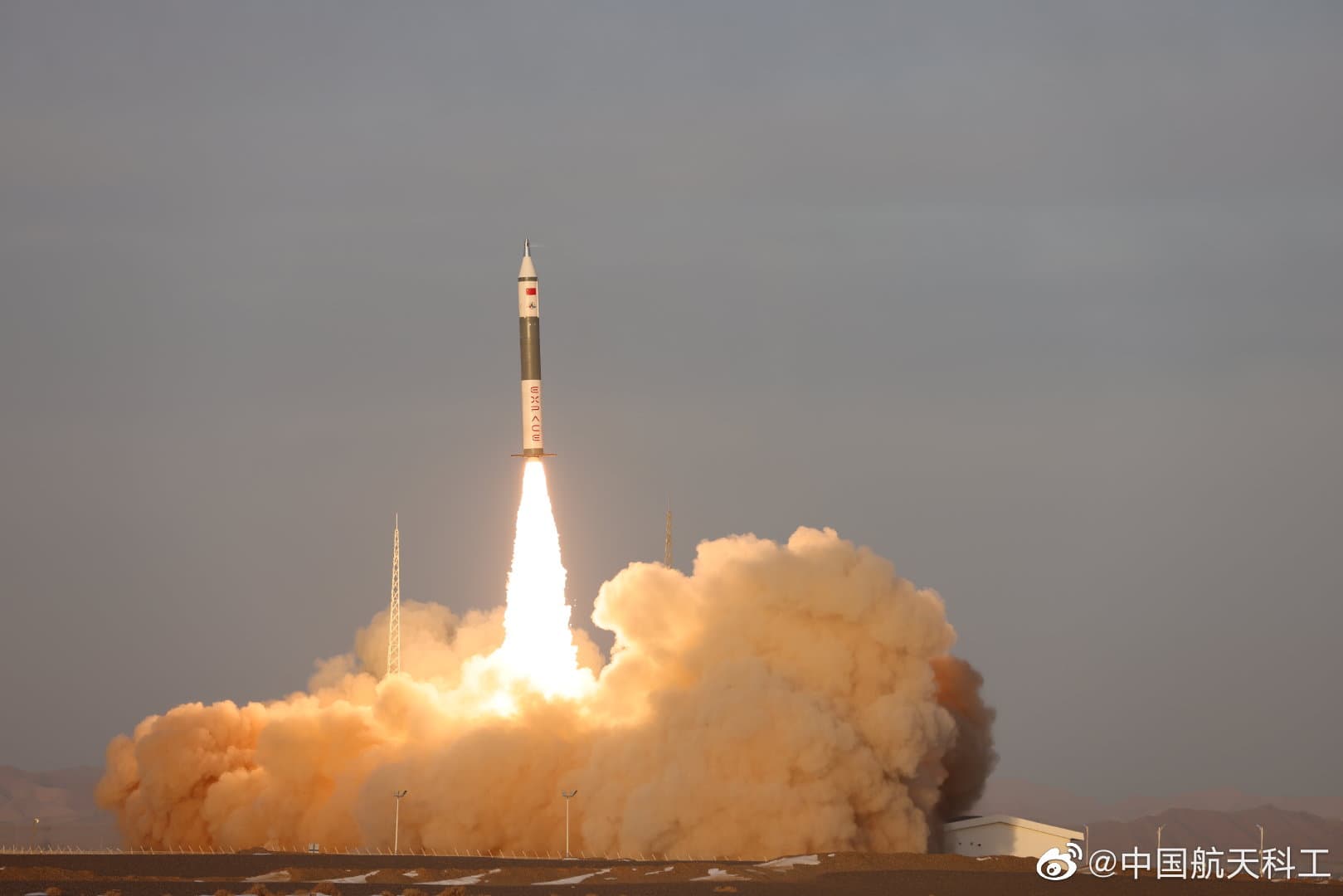
Kuaizhou 11 launch
ExPace
📅Mon, Nov 30, 2026 12:00 AM📍 Jiuquan Satellite Launch Center, People's Republic of China
🚀 Kuaizhou 11
Details TBD.

🚀 LaunchUSA
Starlink Group 15-21
📅Mon, Nov 30, 2026 12:00 AM📍 Vandenberg SFB, CA, USA
A batch of 27 satellites for the Starlink mega-constellation - SpaceX's project for space-based Internet communication system.
Dec
December(77 events)

🛸 Probe
Solar Orbiter Venus Flyby
📅Thu, Dec 24, 2026 12:00 AM📍 Venus
Solar Orbiter, a partnership between ESA and NASA, will perform a gravity assist maneuver with Venus on December 24, 2026. Throughout its mission it also makes repeated gravity assist flybys of Venus to get closer to the Sun, and to change its orbital inclination, boosting it out of the ecliptic plane, to get the best – and first – views of the Sun’s poles.
📝 Mission Debriefs: after the flight
successNov 12, 2026
Falcon 9 · USSF-627
Falcon 9 Block 5 flew the USSF-627 mission for the United States Space Force from Vandenberg SFB, California, lifting off at 2026-11-12T04:36:30Z. The launch fell inside a window running from 02:35:00Z to 06:35:00Z, and Launch Library 2 records the outcome as a success. The mission is classified, so the payload is not publicly confirmed. The event description says it may be a batch of classified LEO satellites based on SpaceX's Starshield satellite bus. That inference rests on stage drop zone locations matching previous Starlink Group 15 launches. It is speculation, not a confirmed payload identification. The provided data lists no anomalies, delays, or recovery issues, and it gives no booster recovery details, orbital parameters, or cost figures. The immediate consequence is another completed national security launch flown by a commercial provider, with payload and operational details remaining undisclosed.
successNov 11, 2026
Long March 2D · CAS Pathfinder-1
The Long March 2D launched the CAS Pathfinder-1 mission from Jiuquan Satellite Launch Center on 2026-11-11 at 11:41 UTC, inside a window that ran from 11:32 to 12:05 UTC. Launch Library 2 records the outcome as a success, and the event status is completed. Pathfinder-1 is an in-orbit validation mission for technologies planned for the Chinese Academy of Sciences' "Origins" Space Science Program. That program covers four astronomical observatory missions due by 2030: DSL, SPO, Earth 2.0 (ET) and eXTP. The payload is a main satellite plus 3 sub-satellites that fly in formation to demonstrate a low frequency radio astronomy interferometry instrument. The main satellite also carries VLAST-P, a magnetometer (MHI), an upper atmosphere LiDAR (HiRAL), a Langmuir Probe (LMP) and a space weather monitor (SWEM). The provided data reports no anomalies. It does not cover orbital parameters, deployment confirmation for individual satellites, or on-orbit instrument performance, so the success of the follow-on technology validation cannot be assessed from this data.
successNov 8, 2026
Long March 12 · SatNet LEO Group 29
A Long March 12 rocket operated by the China Aerospace Science and Technology Corporation (CASC) launched the SatNet LEO Group 29 mission from the Wenchang Space Launch Site on 2026-11-08 at 20:24 UTC, inside a window that opened at 20:17 UTC and closed at 20:47 UTC. Launch Library 2 records the outcome as a success, and the event status is completed. The payload was a batch of 9 low Earth orbit communication satellites for the state-owned SatNet constellation operated by the China Satellite Network Group. New Space Economy reported that the rocket placed China's 29th group of low-Earth-orbit internet satellites into its intended orbit. The article gives liftoff as 4:24 a.m. Beijing time on November 9 (equivalent to 20:24 UTC on November 8) and refers to the Hainan commercial space launch site. The provided data reports no anomalies, delays or recovery actions. The immediate consequence is another increment toward a constellation that the event description says will eventually comprise 13000 satellites. No details on orbit parameters, satellite health or first-stage recovery were provided.
🌍 Earth from Space: NASA EPIC

Nov 10, 2026, 12:31 AM
This image was taken by NASA's EPIC camera onboard the NOAA DSCOVR spacecraft
-10.5°, 157.7°

Nov 10, 2026, 02:19 AM
This image was taken by NASA's EPIC camera onboard the NOAA DSCOVR spacecraft
-10.5°, 130.7°

Nov 10, 2026, 04:07 AM
This image was taken by NASA's EPIC camera onboard the NOAA DSCOVR spacecraft
-10.6°, 103.7°

Nov 10, 2026, 05:55 AM
This image was taken by NASA's EPIC camera onboard the NOAA DSCOVR spacecraft
-10.5°, 76.7°

Nov 10, 2026, 09:31 AM
This image was taken by NASA's EPIC camera onboard the NOAA DSCOVR spacecraft
-10.6°, 22.7°

Nov 10, 2026, 11:19 AM
This image was taken by NASA's EPIC camera onboard the NOAA DSCOVR spacecraft
-10.7°, -4.3°

Nov 10, 2026, 01:08 PM
This image was taken by NASA's EPIC camera onboard the NOAA DSCOVR spacecraft
-10.7°, -31.4°

Nov 10, 2026, 02:56 PM
This image was taken by NASA's EPIC camera onboard the NOAA DSCOVR spacecraft
-10.7°, -58.4°

Nov 10, 2026, 04:44 PM
This image was taken by NASA's EPIC camera onboard the NOAA DSCOVR spacecraft
-10.8°, -85.3°

Nov 10, 2026, 06:32 PM
This image was taken by NASA's EPIC camera onboard the NOAA DSCOVR spacecraft
-10.8°, -112.4°
📸 NASA Image Gallery
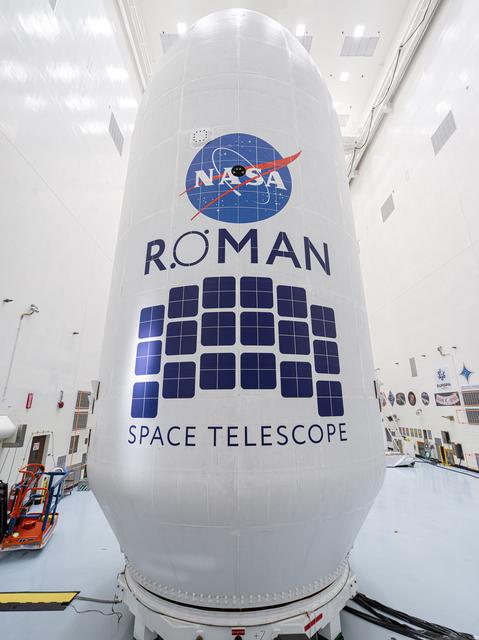
Roman Space Telescope Encapsulation
Aug 24, 2026 · KSC
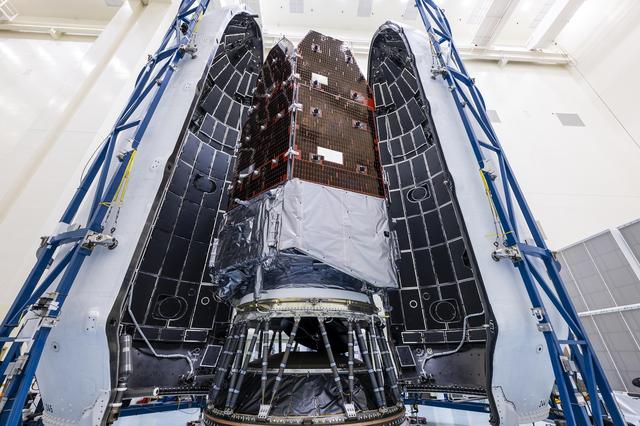
NASA’s Nancy Grace Roman Space Telescope is photographed after encapsulation inside its payload fairing in the Payload Hazardous Servicing Facility at NASA’s Kennedy Space Center in Florida on Monday, Aug. 24, 2026, ahead of mating to a SpaceX Falcon Heavy rocket. Encapsulation shields the spacecraf
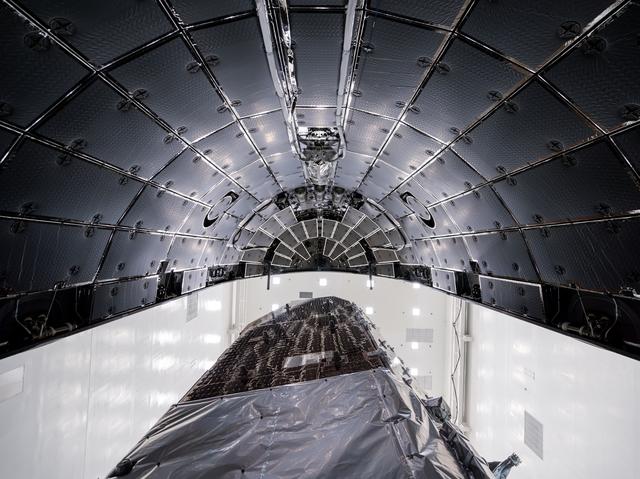
Roman Space Telescope Encapsulation
Aug 21, 2026 · KSC
Teams inside the Payload Hazardous Servicing Facility at NASA’s Kennedy Space Center in Florida encapsulate the agency’s Nancy Grace Roman Space Telescope within the payload fairing on Friday, Aug. 21, 2026, ahead of mating to a SpaceX Falcon Heavy rocket. Encapsulation shields the spacecraft during
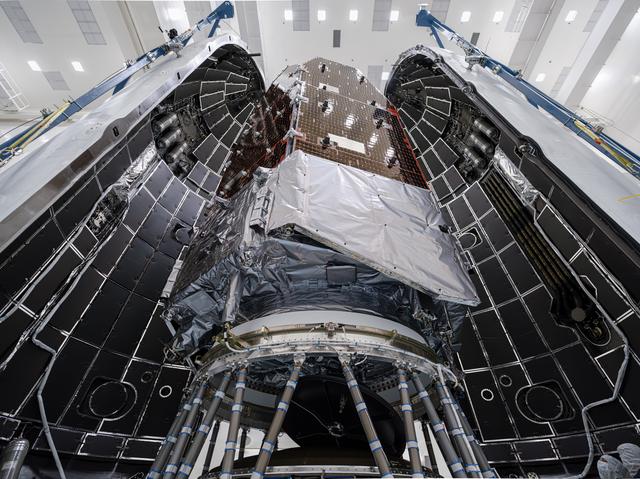
Roman Space Telescope Encapsulation
Aug 21, 2026 · KSC
Teams inside the Payload Hazardous Servicing Facility at NASA’s Kennedy Space Center in Florida encapsulate the agency’s Nancy Grace Roman Space Telescope within the payload fairing on Friday, Aug. 21, 2026, ahead of mating to a SpaceX Falcon Heavy rocket. Encapsulation shields the spacecraft during
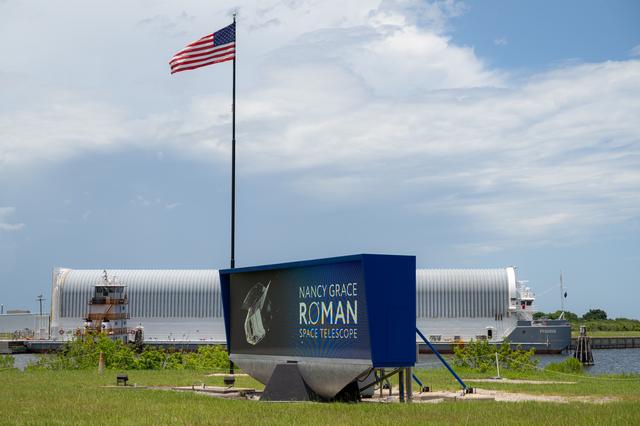
Roman Space Telescope Arrival
Jun 21, 2026 · KSC
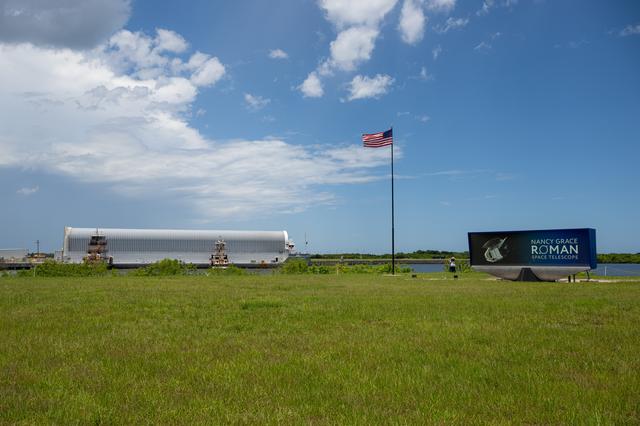
NASA’s Pegasus barge is seen, Sunday, June 21, at NASA’s Kennedy Space Center in Florida. The Pegasus barge delivered NASA’s Nancy Grace Roman Space Telescope and a weather cover for the Artemis III SLS (Space Launch System) rocket core stage to Kennedy. Photo Credit: (NASA/John Kraus)
Roman Space Telescope Arrival
Jun 21, 2026 · KSC
NASA’s Pegasus barge is seen, Sunday, June 21, at NASA’s Kennedy Space Center in Florida. The Pegasus barge delivered NASA’s Nancy Grace Roman Space Telescope and a weather cover for the Artemis III SLS (Space Launch System) rocket core stage to Kennedy. Photo Credit: (NASA/John Kraus)
Roman Space Telescope Arrival
Jun 21, 2026 · KSC
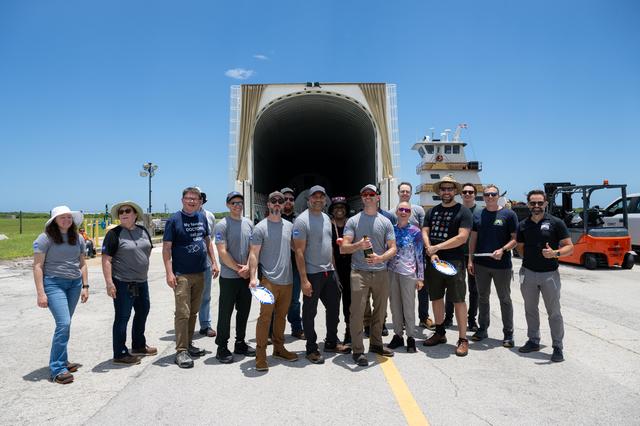
Members of the Nancy Grace Roman Space Telescope transport team pose for a photograph with NASA’s Pegasus barge, Sunday, June 21, at NASA’s Kennedy Space Center in Florida. The Pegasus barge delivered NASA’s Nancy Grace Roman Space Telescope and a weather cover for the Artemis III SLS (Space Launch
Roman Space Telescope Arrival
Jun 21, 2026 · KSC
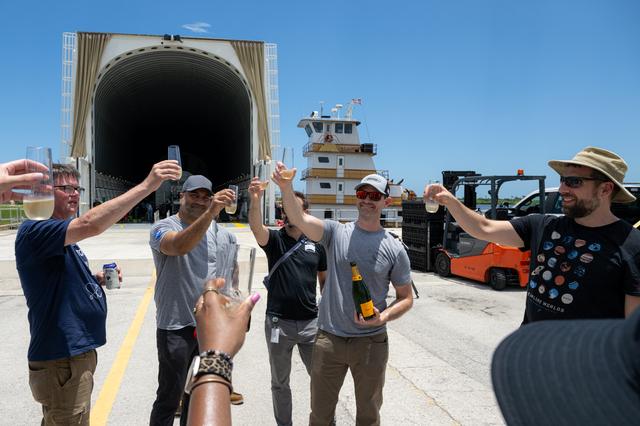
Members of the Nancy Grace Roman Space Telescope transport team celebrate with a toast following the arrival of NASA’s Pegasus barge, Sunday, June 21, at NASA’s Kennedy Space Center in Florida. The Pegasus barge delivered NASA’s Nancy Grace Roman Space Telescope and a weather cover for the Artemis I
Roman Space Telescope Encapsulation
Aug 21, 2026 · KSC
Teams inside the Payload Hazardous Servicing Facility at NASA’s Kennedy Space Center in Florida encapsulate the agency’s Nancy Grace Roman Space Telescope within the payload fairing on Friday, Aug. 21, 2026, ahead of mating to a SpaceX Falcon Heavy rocket. Encapsulation shields the spacecraft during
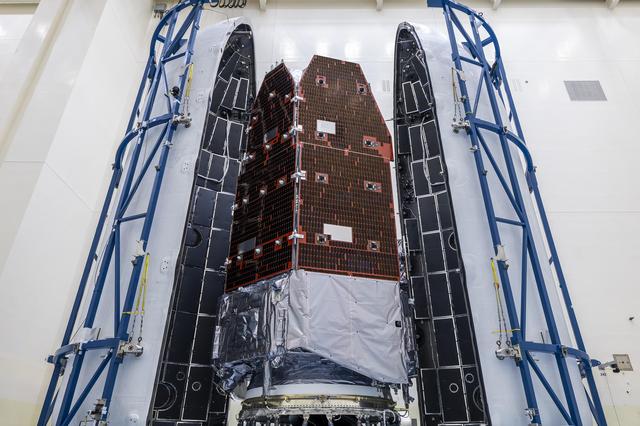
Roman Space Telescope Encapsulation
Aug 21, 2026 · KSC
Teams inside the Payload Hazardous Servicing Facility at NASA’s Kennedy Space Center in Florida encapsulate the agency’s Nancy Grace Roman Space Telescope within the payload fairing on Friday, Aug. 21, 2026, ahead of mating to a SpaceX Falcon Heavy rocket. Encapsulation shields the spacecraft during
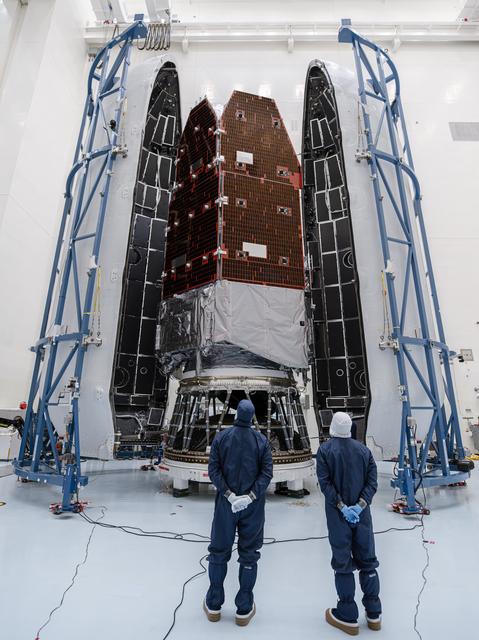
Roman Space Telescope Encapsulation
Aug 21, 2026 · KSC
Teams inside the Payload Hazardous Servicing Facility at NASA’s Kennedy Space Center in Florida encapsulate the agency’s Nancy Grace Roman Space Telescope within the payload fairing on Friday, Aug. 21, 2026, ahead of mating to a SpaceX Falcon Heavy rocket. Encapsulation shields the spacecraft during
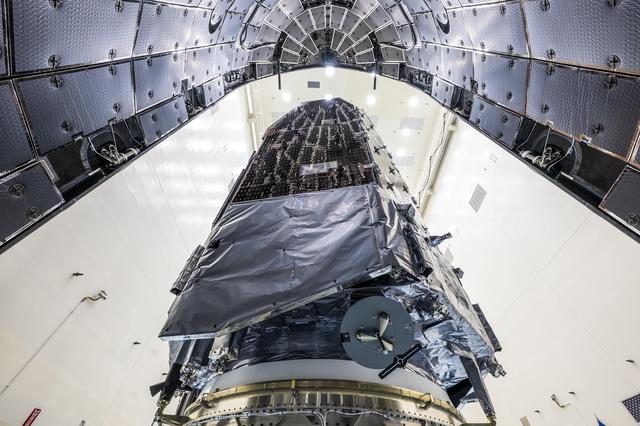
Roman Space Telescope Encapsulation
Aug 21, 2026 · KSC
Teams inside the Payload Hazardous Servicing Facility at NASA’s Kennedy Space Center in Florida encapsulate the agency’s Nancy Grace Roman Space Telescope within the payload fairing on Friday, Aug. 21, 2026, ahead of mating to a SpaceX Falcon Heavy rocket. Encapsulation shields the spacecraft during
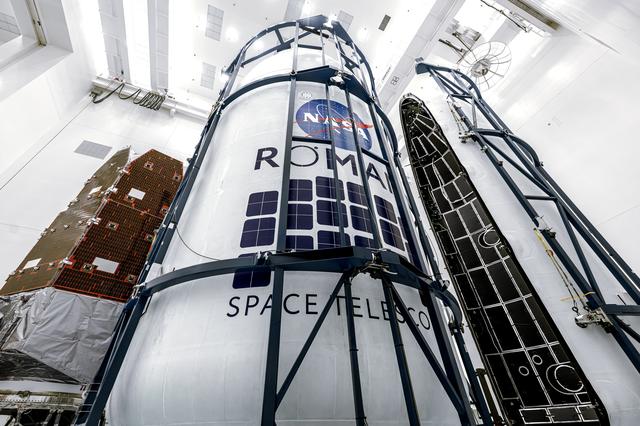
Roman Space Telescope Encapsulation
Aug 19, 2026 · KSC
Teams inside the Payload Hazardous Servicing Facility at NASA’s Kennedy Space Center in Florida prepare the agency’s Nancy Grace Roman Space Telescope for encapsulation within its payload fairing on Wednesday, Aug. 19, 2026, ahead of mating to a SpaceX Falcon Heavy rocket. Encapsulation shields the
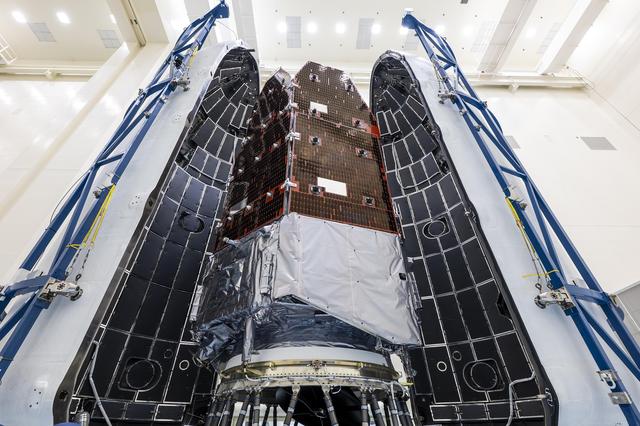
Roman Space Telescope Encapsulation
Aug 21, 2026 · KSC
Teams inside the Payload Hazardous Servicing Facility at NASA’s Kennedy Space Center in Florida encapsulate the agency’s Nancy Grace Roman Space Telescope within the payload fairing on Friday, Aug. 21, 2026, ahead of mating to a SpaceX Falcon Heavy rocket. Encapsulation shields the spacecraft during
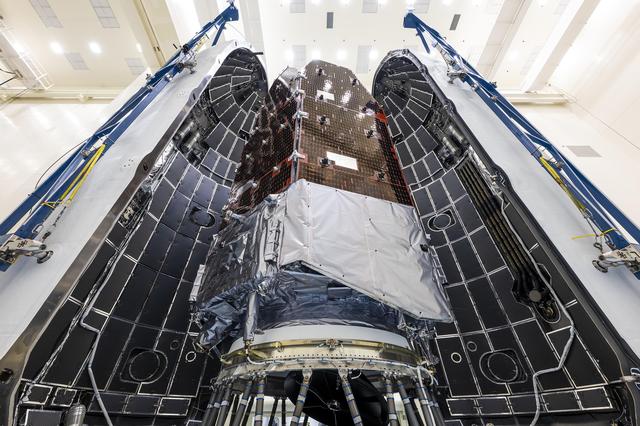
Roman Space Telescope Encapsulation
Aug 21, 2026 · KSC
Teams inside the Payload Hazardous Servicing Facility at NASA’s Kennedy Space Center in Florida encapsulate the agency’s Nancy Grace Roman Space Telescope within the payload fairing on Friday, Aug. 21, 2026, ahead of mating to a SpaceX Falcon Heavy rocket. Encapsulation shields the spacecraft during
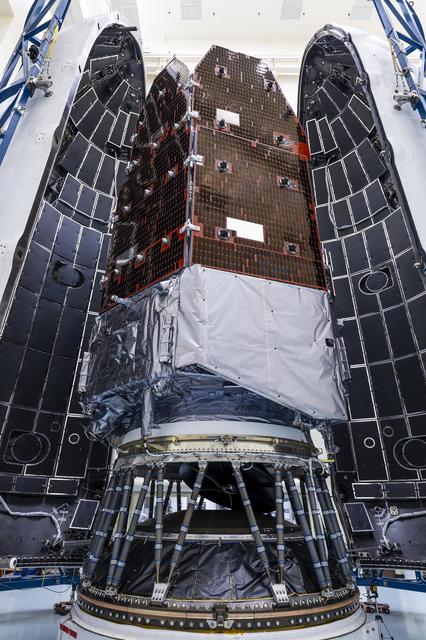
Roman Space Telescope Encapsulation
Aug 21, 2026 · KSC
Teams inside the Payload Hazardous Servicing Facility at NASA’s Kennedy Space Center in Florida encapsulate the agency’s Nancy Grace Roman Space Telescope within the payload fairing on Friday, Aug. 21, 2026, ahead of mating to a SpaceX Falcon Heavy rocket. Encapsulation shields the spacecraft during
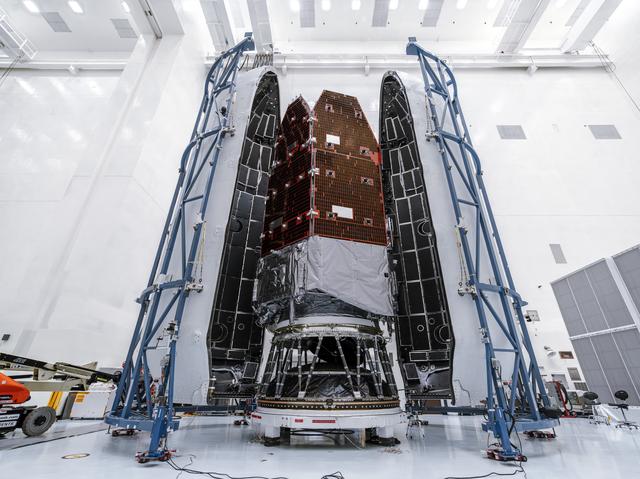
Roman Space Telescope Encapsulation
Aug 21, 2026 · KSC
Teams inside the Payload Hazardous Servicing Facility at NASA’s Kennedy Space Center in Florida encapsulate the agency’s Nancy Grace Roman Space Telescope within the payload fairing on Friday, Aug. 21, 2026, ahead of mating to a SpaceX Falcon Heavy rocket. Encapsulation shields the spacecraft during
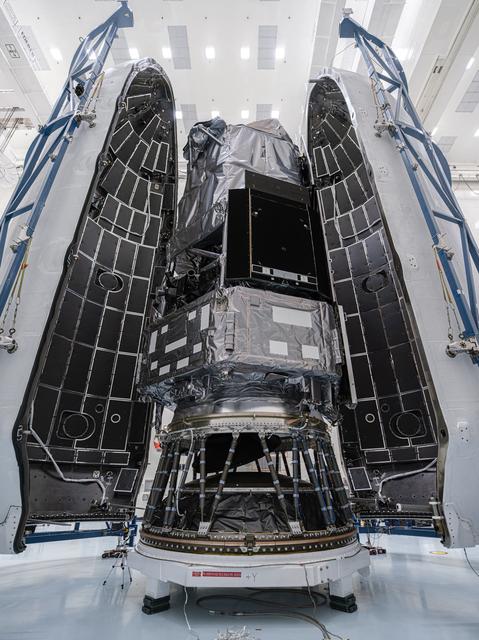
Roman Space Telescope Encapsulation
Aug 21, 2026 · KSC
Teams inside the Payload Hazardous Servicing Facility at NASA’s Kennedy Space Center in Florida encapsulate the agency’s Nancy Grace Roman Space Telescope within the payload fairing on Friday, Aug. 21, 2026, ahead of mating to a SpaceX Falcon Heavy rocket. Encapsulation shields the spacecraft during
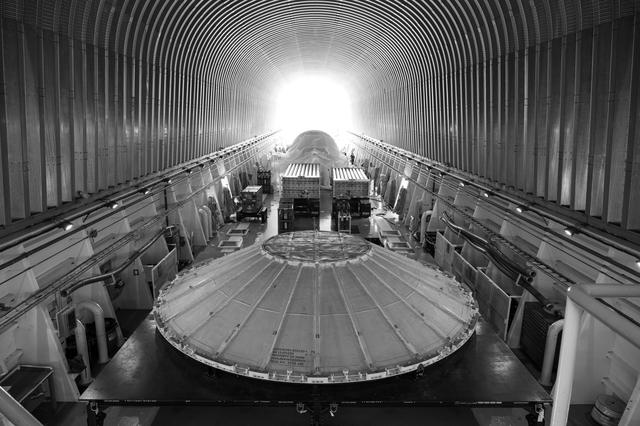
Roman Space Telescope Arrival
Jun 21, 2026 · KSC
An interior view of NASA’s Pegasus barge, carrying a weather cover for Artemis III SLS (Space Launch System) rocket core stage and NASA’s Nancy Grace Roman Telescope, is seen, Sunday, June 21, at NASA’s Kennedy Space Center in Florida. Photo Credit: (NASA/John Kraus)
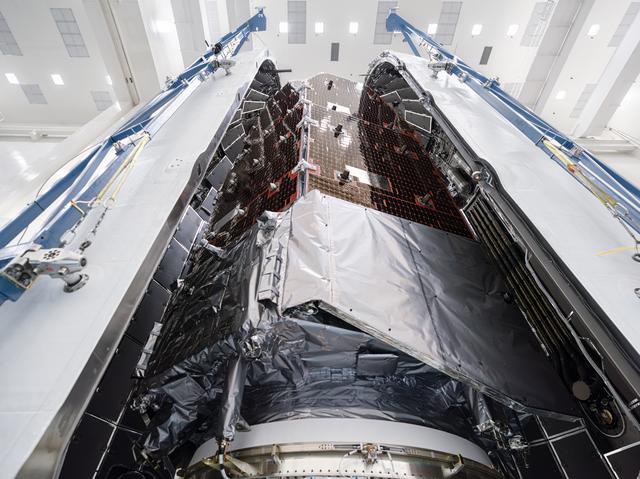
Roman Space Telescope Encapsulation
Aug 21, 2026 · KSC
Teams inside the Payload Hazardous Servicing Facility at NASA’s Kennedy Space Center in Florida encapsulate the agency’s Nancy Grace Roman Space Telescope within the payload fairing on Friday, Aug. 21, 2026, ahead of mating to a SpaceX Falcon Heavy rocket. Encapsulation shields the spacecraft during
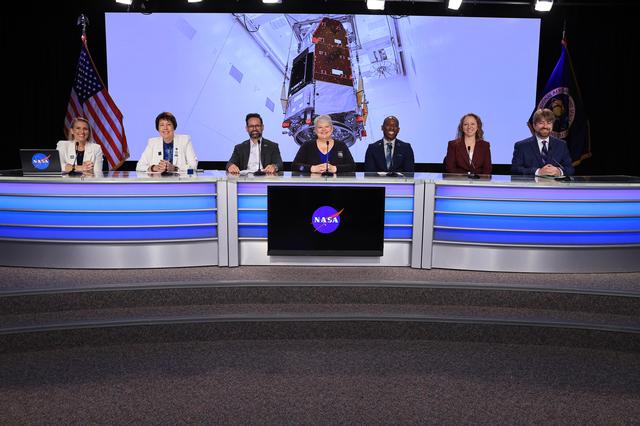
Roman Space Telescope Prelaunch News Conference
Aug 29, 2026 · KSC
From left, Leah Martin, NASA Communications; Nicky Fox, associate administrator, Science Mission Directorate, NASA Headquarters in Washington; Lucas Paganini, Roman telescope program executive, NASA Headquarters; Jackie Townsend, Roman telescope project manager, NASA’s Goddard Space Flight Center in
📡 Deep Space Network Status
DSS14
Goldstone, CA
- DSNno signal
DSS23
Goldstone, CA
- JNOuplink + downlink
DSS25
Goldstone, CA
- JNOuplink + downlink
DSS26
Goldstone, CA
- M20uplink + downlink
DSS24
Goldstone, CA
- DSSno signal
DSS55
Madrid, Spain
- DSNno signal
DSS63
Madrid, Spain
- VGR1downlink
DSS54
Madrid, Spain
- EURCuplink + downlink
DSS56
Madrid, Spain
- WINDuplink + downlink
DSS53
Madrid, Spain
- KPLOuplink + downlink
DSS36
Canberra, Australia
- RSTuplink + downlink
DSS34
Canberra, Australia
- JWSTuplink + downlink
DSS43
Canberra, Australia
- JNOuplink + downlink
DSS35
Canberra, Australia
- MROuplink + downlink
Source: NASA DSN Now · fetched Nov 13, 03:45 PM. Target names are DSN spacecraft codes.
🔗 Related Intelligence
Get the week's launches every Monday
Every Monday morning, get a rundown of the week's scheduled launches: vehicle, provider, site, and a direct link back to Mission Control to watch. Part of the SpaceNexus newsletter; unsubscribe anytime.
Week in Space Data on Fridays, SpaceNexus AM on weekday mornings if you tick it. Unsubscribe anytime.