Can you see a rocket launch from Miami?
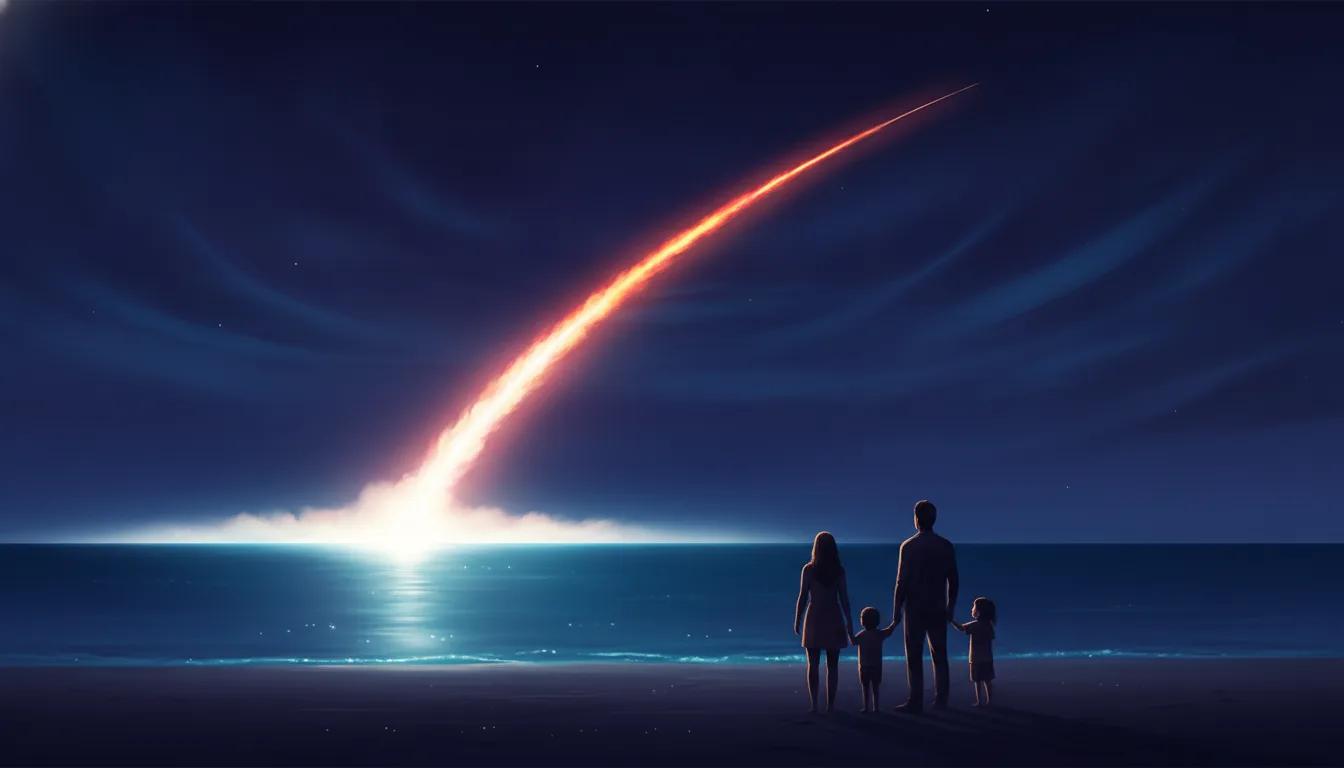
A rising light on the horizon: night launches only. Miami is far enough that you will not see liftoff, but night launches produce a rising point of light low in the north that arcs east: visible from the beach for two to three minutes.
Distance to the pad
195 mi
314 km to SLC-40, Cape Canaveral SFS
Look toward
N
353° (Cape Canaveral)
What you'll see
Night launches
A rising light on the horizon: night launches only
Next launch there
Oct 19
Bandwagon 5 (Dedicated Mid-Inclination Rideshare)
What to expect from here
Daytime launches are usually invisible from this distance. At night, watch for a bright, steady point climbing from the horizon in the direction shown, arcing over one to three minutes; twilight launches can paint the sky.
Best spots in and around Miami
Any Atlantic beach, facing north
South Beach to Sunny Isles; the darker the better.
Drive to Cocoa Beach (3 h)
Worth it for crewed or Falcon Heavy launches.
Making the trip? The full Cape Canaveral viewing guide has the pad-side spots, road closures and timing.
Upcoming launches from Cape Canaveral
Frequently asked
Can you see rocket launches from Miami?
A rising light on the horizon: night launches only. Miami is about 195 miles (314 km) from SLC-40, Cape Canaveral SFS, bearing 353° (N). Daytime launches are usually invisible from this distance. At night, watch for a bright, steady point climbing from the horizon in the direction shown, arcing over one to three minutes; twilight launches can paint the sky.
Which direction do I look from Miami?
Face N (353°) toward Cape Canaveral. The rocket rises from that point on the horizon and arcs downrange: for Cape Canaveral launches that generally means east or northeast over the Atlantic.
How long does a launch stay visible?
Two to three minutes for the first stage, sometimes longer at night when the second-stage plume is sunlit. Twilight launches, just after sunset or before sunrise, produce the biggest, longest-lasting displays.