Source: Space EventsRefreshes every 2 min
0
Total Events
0
Next 48 Hours
0
Crewed Missions
0
Agencies
Loading live data...
Loading...
📝 Mission Debriefs: after the flight
successNov 8, 2026
Long March 12 · SatNet LEO Group 29
A Long March 12 rocket operated by the China Aerospace Science and Technology Corporation (CASC) launched the SatNet LEO Group 29 mission from the Wenchang Space Launch Site on 2026-11-08 at 20:24 UTC, inside a window that opened at 20:17 UTC and closed at 20:47 UTC. Launch Library 2 records the outcome as a success, and the event status is completed. The payload was a batch of 9 low Earth orbit communication satellites for the state-owned SatNet constellation operated by the China Satellite Network Group. New Space Economy reported that the rocket placed China's 29th group of low-Earth-orbit internet satellites into its intended orbit. The article gives liftoff as 4:24 a.m. Beijing time on November 9 (equivalent to 20:24 UTC on November 8) and refers to the Hainan commercial space launch site. The provided data reports no anomalies, delays or recovery actions. The immediate consequence is another increment toward a constellation that the event description says will eventually comprise 13000 satellites. No details on orbit parameters, satellite health or first-stage recovery were provided.
successNov 7, 2026
Soyuz 2.1b Fregat-M · Glonass-K1? (Kosmos 2621?)
A Soyuz 2.1b rocket with a Fregat-M upper stage launched from Plesetsk Cosmodrome on 2026-11-07, with liftoff recorded at 13:30 UTC inside a window running from 07:00 to 21:00 UTC. Launch Library 2 records the outcome as a success, and the event status is completed, so this debrief treats the mission as a success. The payload identity is uncertain. The event data lists it as Glonass-K1? with the Kosmos 2621? designation, and the question marks are part of the source record. The only payload description provided is generic: Glonass-K is the third generation of GLONASS navigation satellite design, with improved accuracy, lower power consumption and longer design life. Each satellite is unpressurized, weighs 935 kg and has a 10-year operational lifetime. These figures describe the satellite class and have not been confirmed for this specific flight. The provided data contains no anomalies, orbital parameters, deployment timings or post-launch satellite status. Immediate consequences, such as whether the satellite has entered the operational GLONASS constellation, cannot be determined from the supplied information.
successNov 7, 2026
Falcon 9 · USSF-432
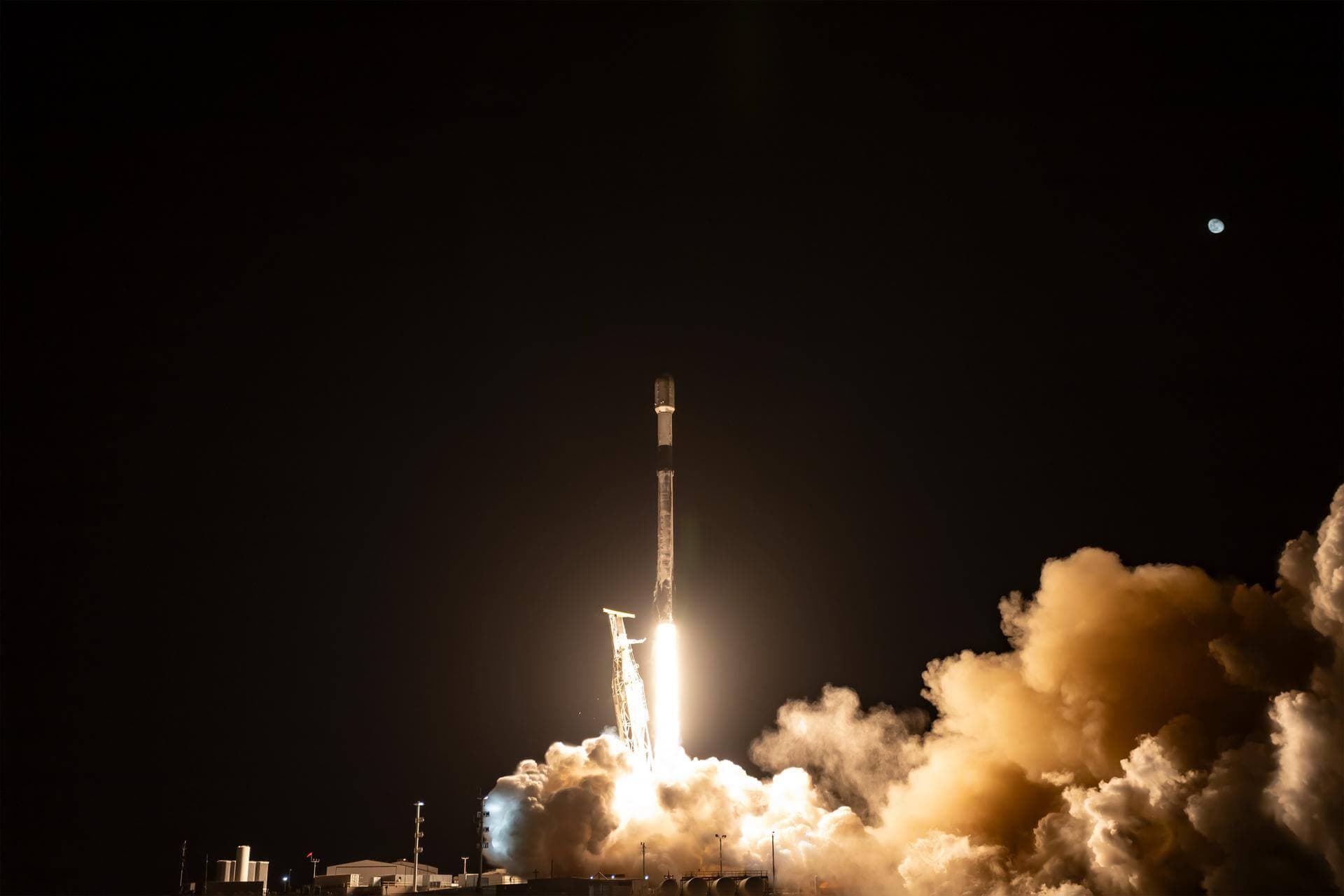
SpaceX launched the USSF-432 mission for the United States Space Force on a Falcon 9 Block 5 from Vandenberg SFB, California. Launch Library 2 records the outcome as a success, and the event status is completed. Liftoff occurred at 2026-11-07T00:48:42Z, which was within the four-hour window that opened at 00:46:00Z, about two minutes and 42 seconds after the window opened. The mission is classified. The event description says it may be a batch of classified LEO satellites based on SpaceX's Starshield satellite bus, an inference drawn from stage drop zones that match previous Starlink Group 15 launches. This is speculation and has not been confirmed in the provided data. New Space Economy, citing Spaceflight Now, reports the Falcon 9 lifted off from Space Launch Complex 4E at 4:48 p.m. Pacific time on November 6, 2026. No anomalies are reported in the provided data. Details on payload, orbit, booster recovery and contract value are not given, so they are left unstated. The immediate consequence is another completed national security launch by a commercial provider for the Space Force.
🌍 Earth from Space: NASA EPIC

Nov 7, 2026, 12:41 AM
This image was taken by NASA's EPIC camera onboard the NOAA DSCOVR spacecraft
-8.8°, 155.3°

Nov 7, 2026, 02:29 AM
This image was taken by NASA's EPIC camera onboard the NOAA DSCOVR spacecraft
-8.8°, 128.2°

Nov 7, 2026, 04:17 AM
This image was taken by NASA's EPIC camera onboard the NOAA DSCOVR spacecraft
-8.8°, 101.2°

Nov 7, 2026, 06:05 AM
This image was taken by NASA's EPIC camera onboard the NOAA DSCOVR spacecraft
-8.9°, 74.2°

Nov 7, 2026, 07:53 AM
This image was taken by NASA's EPIC camera onboard the NOAA DSCOVR spacecraft
-8.9°, 47.2°

Nov 7, 2026, 09:41 AM
This image was taken by NASA's EPIC camera onboard the NOAA DSCOVR spacecraft
-9.0°, 20.2°

Nov 7, 2026, 11:29 AM
This image was taken by NASA's EPIC camera onboard the NOAA DSCOVR spacecraft
-9.0°, -6.8°

Nov 7, 2026, 01:17 PM
This image was taken by NASA's EPIC camera onboard the NOAA DSCOVR spacecraft
-9.1°, -33.8°

Nov 7, 2026, 03:05 PM
This image was taken by NASA's EPIC camera onboard the NOAA DSCOVR spacecraft
-9.1°, -60.8°

Nov 7, 2026, 04:53 PM
This image was taken by NASA's EPIC camera onboard the NOAA DSCOVR spacecraft
-9.2°, -87.8°
📸 NASA Image Gallery
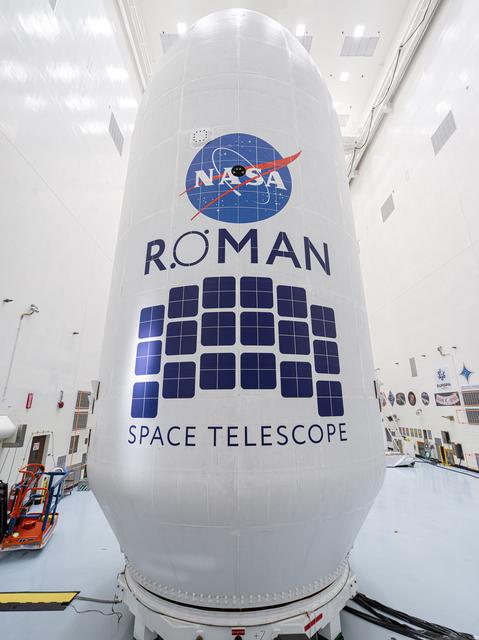
Roman Space Telescope Encapsulation
Aug 24, 2026 · KSC
NASA’s Nancy Grace Roman Space Telescope is photographed after encapsulation inside its payload fairing in the Payload Hazardous Servicing Facility at NASA’s Kennedy Space Center in Florida on Monday, Aug. 24, 2026, ahead of mating to a SpaceX Falcon Heavy rocket. Encapsulation shields the spacecraf
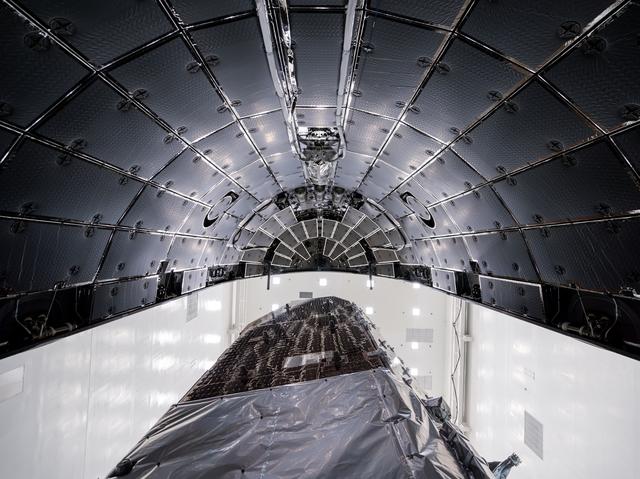
Roman Space Telescope Encapsulation
Aug 21, 2026 · KSC
Teams inside the Payload Hazardous Servicing Facility at NASA’s Kennedy Space Center in Florida encapsulate the agency’s Nancy Grace Roman Space Telescope within the payload fairing on Friday, Aug. 21, 2026, ahead of mating to a SpaceX Falcon Heavy rocket. Encapsulation shields the spacecraft during
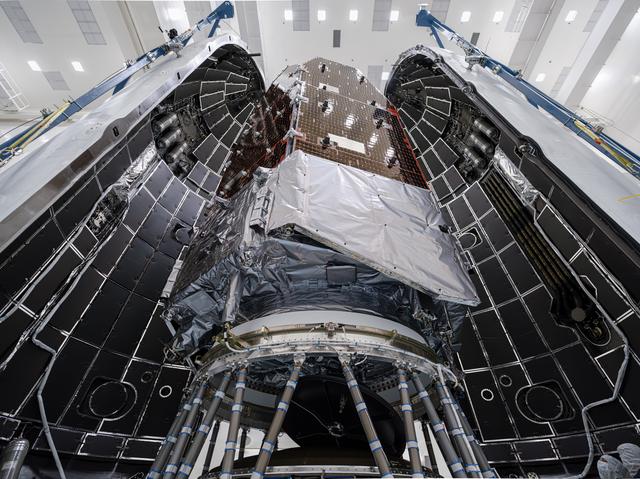
Roman Space Telescope Encapsulation
Aug 21, 2026 · KSC
Teams inside the Payload Hazardous Servicing Facility at NASA’s Kennedy Space Center in Florida encapsulate the agency’s Nancy Grace Roman Space Telescope within the payload fairing on Friday, Aug. 21, 2026, ahead of mating to a SpaceX Falcon Heavy rocket. Encapsulation shields the spacecraft during
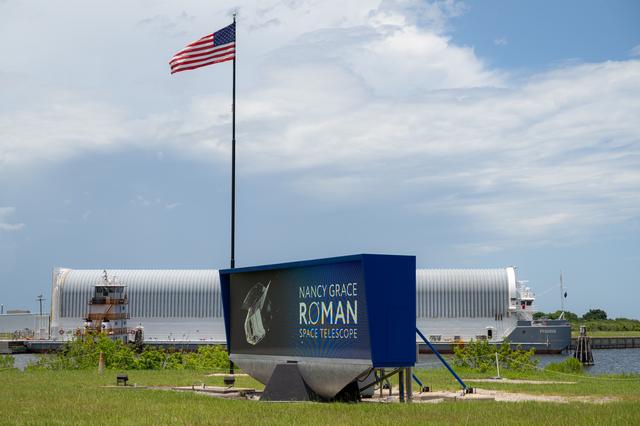
Roman Space Telescope Arrival
Jun 21, 2026 · KSC
NASA’s Pegasus barge is seen, Sunday, June 21, at NASA’s Kennedy Space Center in Florida. The Pegasus barge delivered NASA’s Nancy Grace Roman Space Telescope and a weather cover for the Artemis III SLS (Space Launch System) rocket core stage to Kennedy. Photo Credit: (NASA/John Kraus)
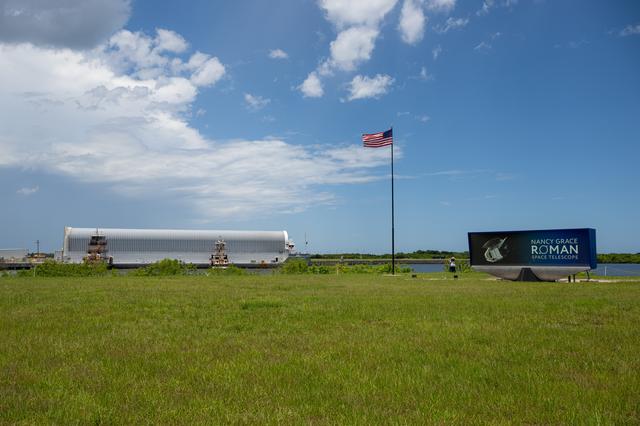
Roman Space Telescope Arrival
Jun 21, 2026 · KSC
NASA’s Pegasus barge is seen, Sunday, June 21, at NASA’s Kennedy Space Center in Florida. The Pegasus barge delivered NASA’s Nancy Grace Roman Space Telescope and a weather cover for the Artemis III SLS (Space Launch System) rocket core stage to Kennedy. Photo Credit: (NASA/John Kraus)
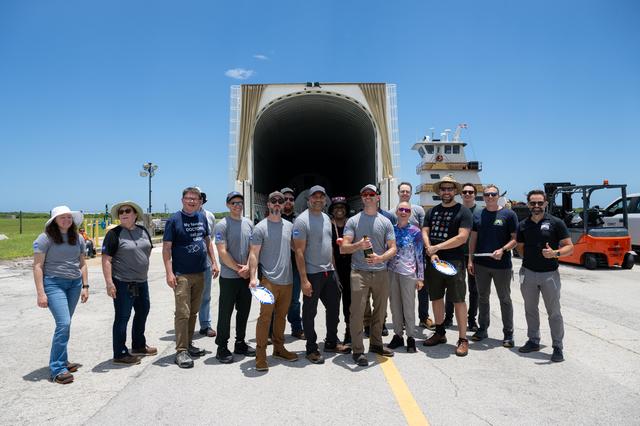
Roman Space Telescope Arrival
Jun 21, 2026 · KSC
Members of the Nancy Grace Roman Space Telescope transport team pose for a photograph with NASA’s Pegasus barge, Sunday, June 21, at NASA’s Kennedy Space Center in Florida. The Pegasus barge delivered NASA’s Nancy Grace Roman Space Telescope and a weather cover for the Artemis III SLS (Space Launch
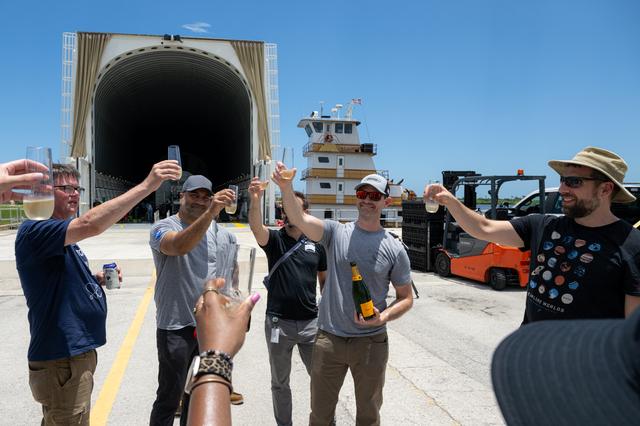
Roman Space Telescope Arrival
Jun 21, 2026 · KSC
Members of the Nancy Grace Roman Space Telescope transport team celebrate with a toast following the arrival of NASA’s Pegasus barge, Sunday, June 21, at NASA’s Kennedy Space Center in Florida. The Pegasus barge delivered NASA’s Nancy Grace Roman Space Telescope and a weather cover for the Artemis I
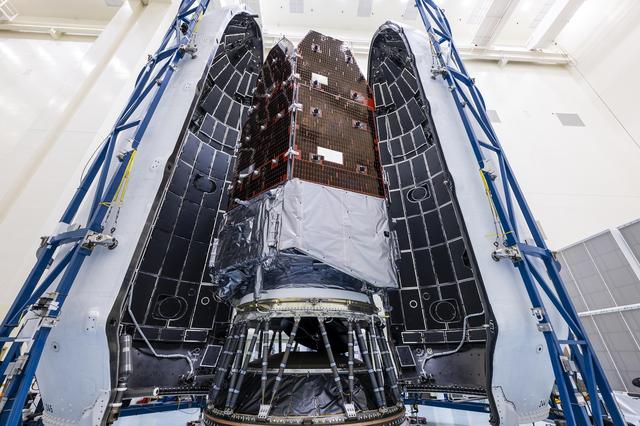
Roman Space Telescope Encapsulation
Aug 21, 2026 · KSC
Teams inside the Payload Hazardous Servicing Facility at NASA’s Kennedy Space Center in Florida encapsulate the agency’s Nancy Grace Roman Space Telescope within the payload fairing on Friday, Aug. 21, 2026, ahead of mating to a SpaceX Falcon Heavy rocket. Encapsulation shields the spacecraft during
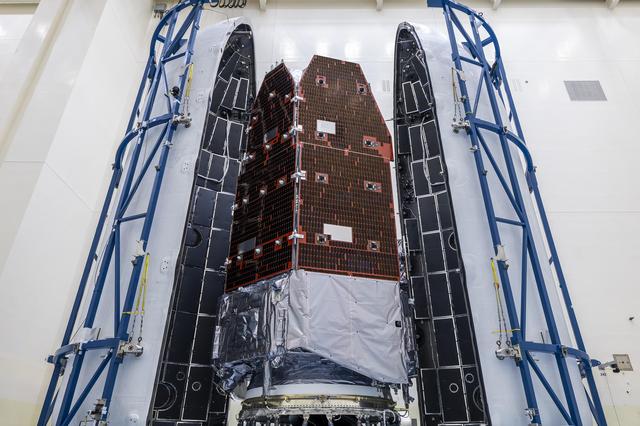
Roman Space Telescope Encapsulation
Aug 21, 2026 · KSC
Teams inside the Payload Hazardous Servicing Facility at NASA’s Kennedy Space Center in Florida encapsulate the agency’s Nancy Grace Roman Space Telescope within the payload fairing on Friday, Aug. 21, 2026, ahead of mating to a SpaceX Falcon Heavy rocket. Encapsulation shields the spacecraft during
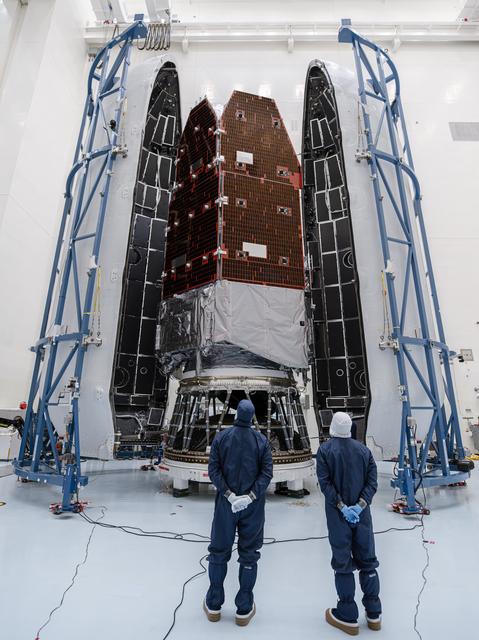
Roman Space Telescope Encapsulation
Aug 21, 2026 · KSC
Teams inside the Payload Hazardous Servicing Facility at NASA’s Kennedy Space Center in Florida encapsulate the agency’s Nancy Grace Roman Space Telescope within the payload fairing on Friday, Aug. 21, 2026, ahead of mating to a SpaceX Falcon Heavy rocket. Encapsulation shields the spacecraft during
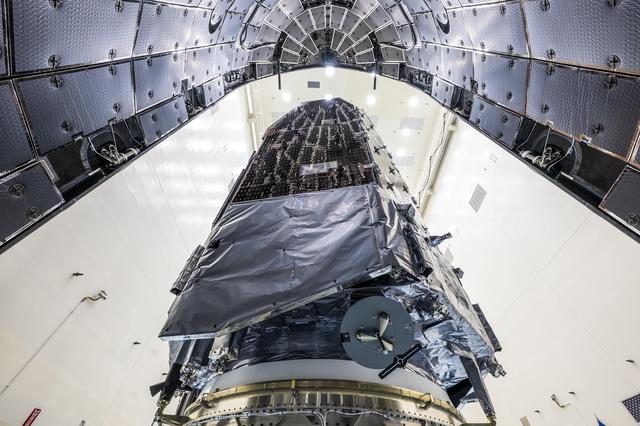
Roman Space Telescope Encapsulation
Aug 21, 2026 · KSC
Teams inside the Payload Hazardous Servicing Facility at NASA’s Kennedy Space Center in Florida encapsulate the agency’s Nancy Grace Roman Space Telescope within the payload fairing on Friday, Aug. 21, 2026, ahead of mating to a SpaceX Falcon Heavy rocket. Encapsulation shields the spacecraft during
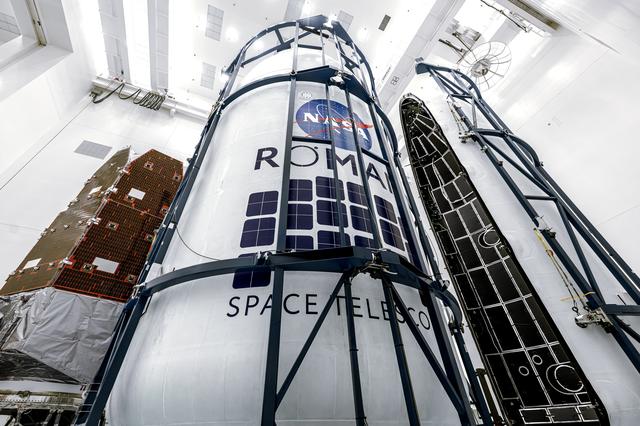
Roman Space Telescope Encapsulation
Aug 19, 2026 · KSC
Teams inside the Payload Hazardous Servicing Facility at NASA’s Kennedy Space Center in Florida prepare the agency’s Nancy Grace Roman Space Telescope for encapsulation within its payload fairing on Wednesday, Aug. 19, 2026, ahead of mating to a SpaceX Falcon Heavy rocket. Encapsulation shields the
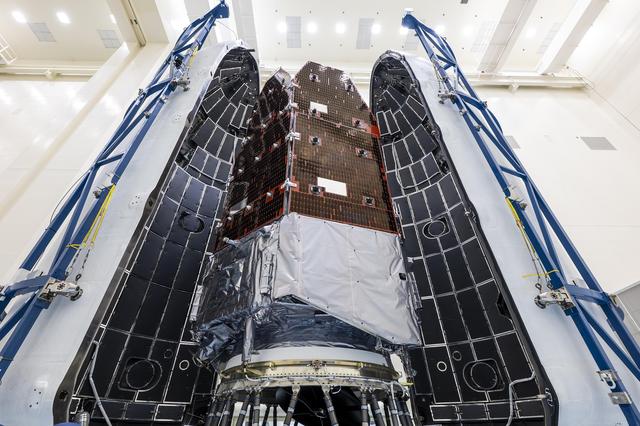
Roman Space Telescope Encapsulation
Aug 21, 2026 · KSC
Teams inside the Payload Hazardous Servicing Facility at NASA’s Kennedy Space Center in Florida encapsulate the agency’s Nancy Grace Roman Space Telescope within the payload fairing on Friday, Aug. 21, 2026, ahead of mating to a SpaceX Falcon Heavy rocket. Encapsulation shields the spacecraft during
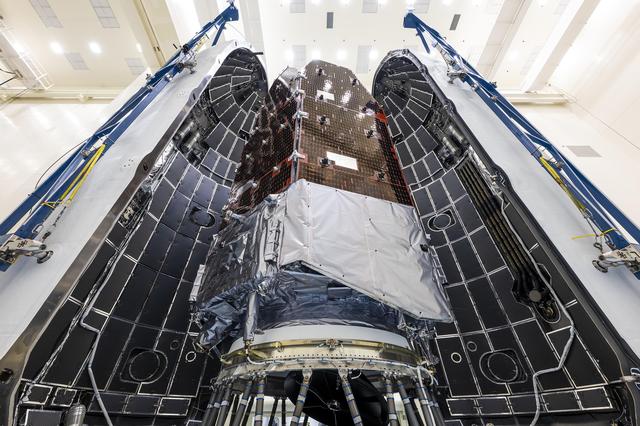
Roman Space Telescope Encapsulation
Aug 21, 2026 · KSC
Teams inside the Payload Hazardous Servicing Facility at NASA’s Kennedy Space Center in Florida encapsulate the agency’s Nancy Grace Roman Space Telescope within the payload fairing on Friday, Aug. 21, 2026, ahead of mating to a SpaceX Falcon Heavy rocket. Encapsulation shields the spacecraft during
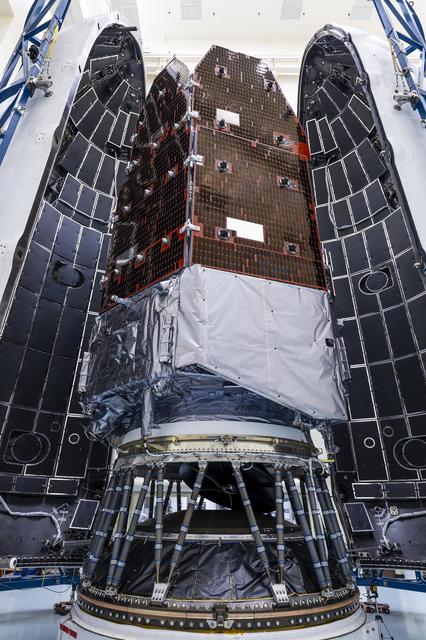
Roman Space Telescope Encapsulation
Aug 21, 2026 · KSC
Teams inside the Payload Hazardous Servicing Facility at NASA’s Kennedy Space Center in Florida encapsulate the agency’s Nancy Grace Roman Space Telescope within the payload fairing on Friday, Aug. 21, 2026, ahead of mating to a SpaceX Falcon Heavy rocket. Encapsulation shields the spacecraft during
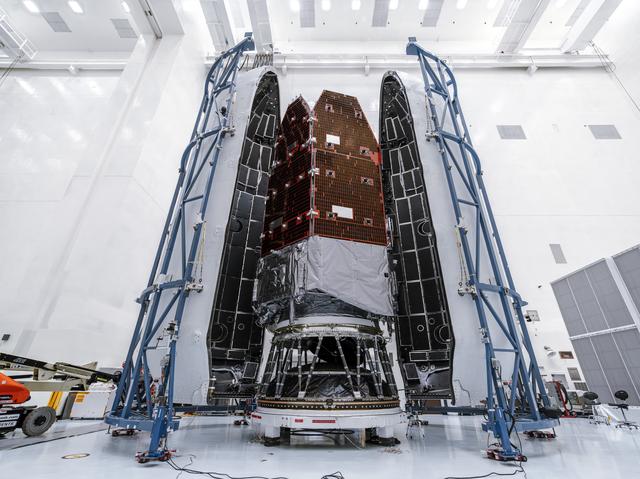
Roman Space Telescope Encapsulation
Aug 21, 2026 · KSC
Teams inside the Payload Hazardous Servicing Facility at NASA’s Kennedy Space Center in Florida encapsulate the agency’s Nancy Grace Roman Space Telescope within the payload fairing on Friday, Aug. 21, 2026, ahead of mating to a SpaceX Falcon Heavy rocket. Encapsulation shields the spacecraft during
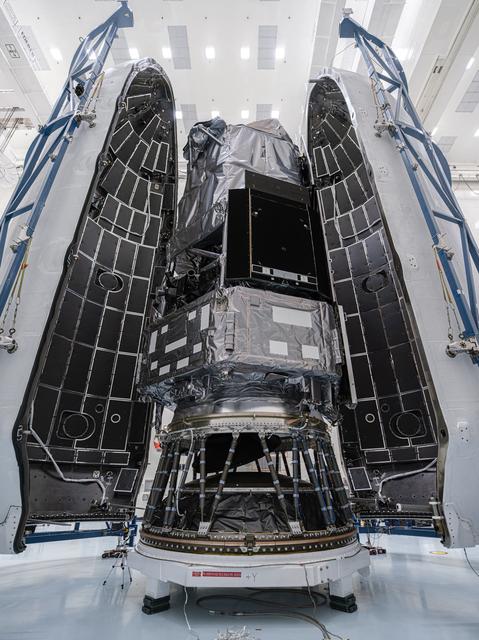
Roman Space Telescope Encapsulation
Aug 21, 2026 · KSC
Teams inside the Payload Hazardous Servicing Facility at NASA’s Kennedy Space Center in Florida encapsulate the agency’s Nancy Grace Roman Space Telescope within the payload fairing on Friday, Aug. 21, 2026, ahead of mating to a SpaceX Falcon Heavy rocket. Encapsulation shields the spacecraft during
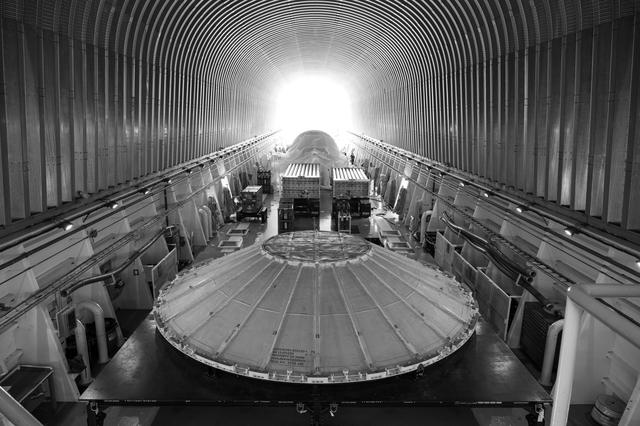
Roman Space Telescope Arrival
Jun 21, 2026 · KSC
An interior view of NASA’s Pegasus barge, carrying a weather cover for Artemis III SLS (Space Launch System) rocket core stage and NASA’s Nancy Grace Roman Telescope, is seen, Sunday, June 21, at NASA’s Kennedy Space Center in Florida. Photo Credit: (NASA/John Kraus)
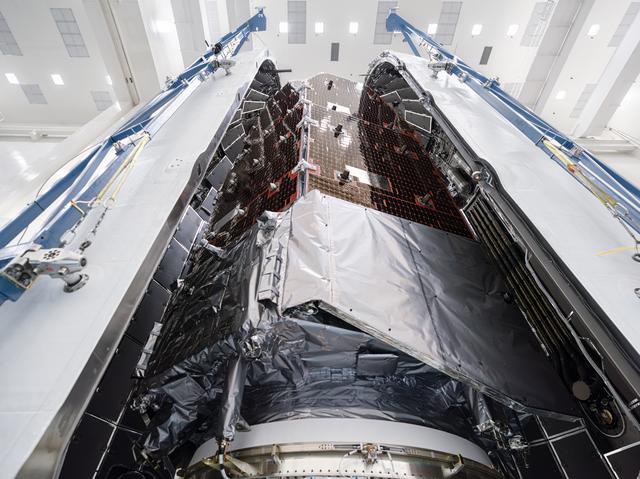
Roman Space Telescope Encapsulation
Aug 21, 2026 · KSC
Teams inside the Payload Hazardous Servicing Facility at NASA’s Kennedy Space Center in Florida encapsulate the agency’s Nancy Grace Roman Space Telescope within the payload fairing on Friday, Aug. 21, 2026, ahead of mating to a SpaceX Falcon Heavy rocket. Encapsulation shields the spacecraft during
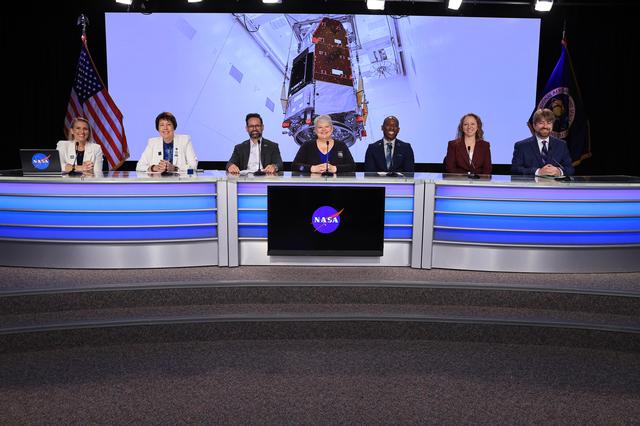
Roman Space Telescope Prelaunch News Conference
Aug 29, 2026 · KSC
From left, Leah Martin, NASA Communications; Nicky Fox, associate administrator, Science Mission Directorate, NASA Headquarters in Washington; Lucas Paganini, Roman telescope program executive, NASA Headquarters; Jackie Townsend, Roman telescope project manager, NASA’s Goddard Space Flight Center in
📡 Deep Space Network Status
DSS14
Goldstone, CA
- DSNno signal
DSS24
Goldstone, CA
- MROuplink + downlink
- M20uplink + downlink
DSS25
Goldstone, CA
- M01Ouplink + downlink
DSS23
Goldstone, CA
- CGOuplink + downlink
DSS26
Goldstone, CA
- CHDRuplink + downlink
DSS55
Madrid, Spain
- DSNno signal
DSS63
Madrid, Spain
- DSNno signal
DSS53
Madrid, Spain
- DSSno signal
DSS56
Madrid, Spain
- EURCuplink + downlink
DSS54
Madrid, Spain
- WINDuplink + downlink
DSS65
Madrid, Spain
- SOHOuplink + downlink
DSS35
Canberra, Australia
- RSTuplink + downlink
DSS43
Canberra, Australia
- VGR2downlink
DSS34
Canberra, Australia
- JWSTuplink + downlink
DSS36
Canberra, Australia
- MMS4uplink + downlink
Source: NASA DSN Now · fetched Nov 11, 03:00 PM. Target names are DSN spacecraft codes.
Get the week's launches every Monday
Every Monday morning, get a rundown of the week's scheduled launches: vehicle, provider, site, and a direct link back to Mission Control to watch. Part of the SpaceNexus newsletter; unsubscribe anytime.
Week in Space Data on Fridays, SpaceNexus AM on weekday mornings if you tick it. Unsubscribe anytime.